CHF. Not sure it’s the optimal / right move. But as I said, no place for me to be invested in equities now.
Cash is a position too. Measured in USD the CHF made about 400% since world war 1. That is lousy, doesn’t beat even inflation. And the exotic CHF is the only currency that made that.
Cash is trash with a state guarantee to lose value. I prefer the risk of real assets like stocks.
But then I am kind of extreme. I never ever hold more cash than I have debt so inflation works for me…
I think what we are seeing at the moment is a real bubble bursting… a cash bubble. Almost everything is at all time high… measured in cash.
2 Likes
As I said, I am not expert and probably making the wrong decision. But I will sit out a few months.
1 Like
I would write down under what conditions I would be willing to re-enter the market. Can be a time period, can be a price tag, can be the size of a drawdown, can be some other trigger.
That may help re-entering the market when you’re more willing to invest again.
An alternative would be to keep some stock assets but switch your allocation toward something more conservative, and consider keeping that for the future (or reassess under conditions I’d also encourage to write down beforehand).
10 Likes
You need to re-visit your risk tolerance. Which is fine, but you need an asset allocation you can stick to for the long term! That may include a significant portion of safer assets like bonds.
But going in an out of markets is how the average investor make sthe biggest mistakes, statistics have shown that ad nauseum.
This video is worth a watch on how to choose that allocation:
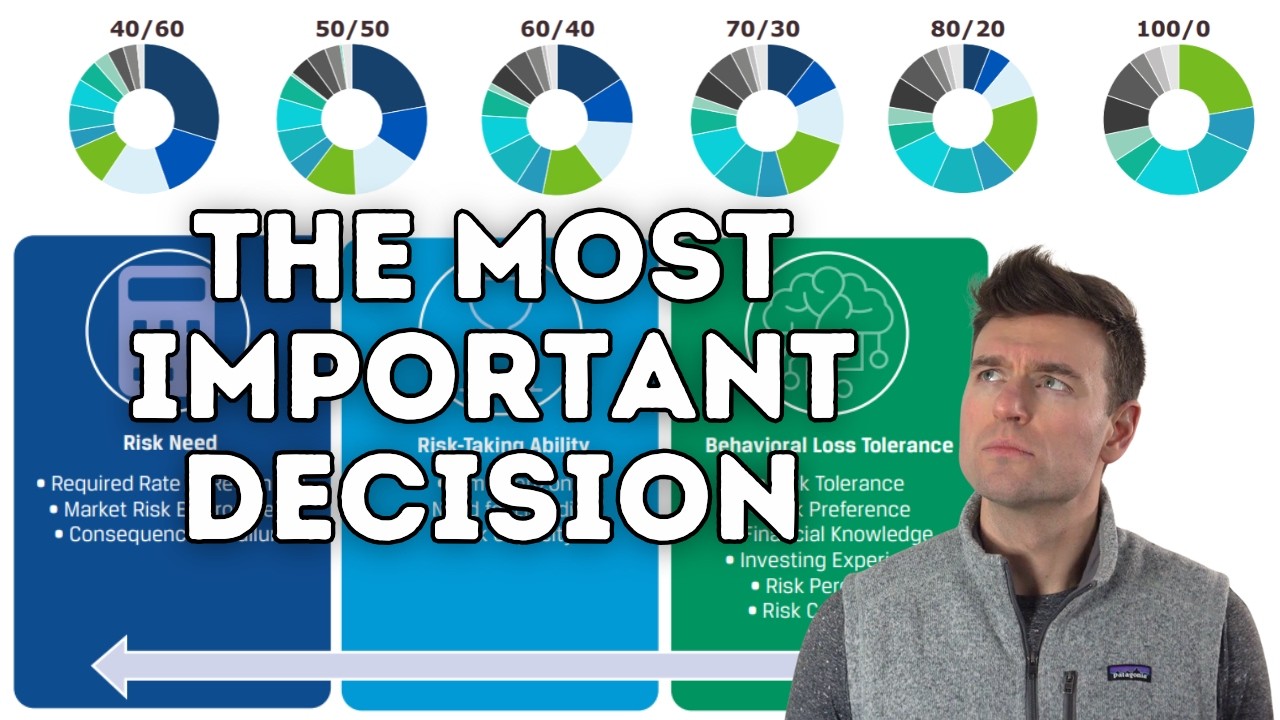
and even more basic that also talks about this:
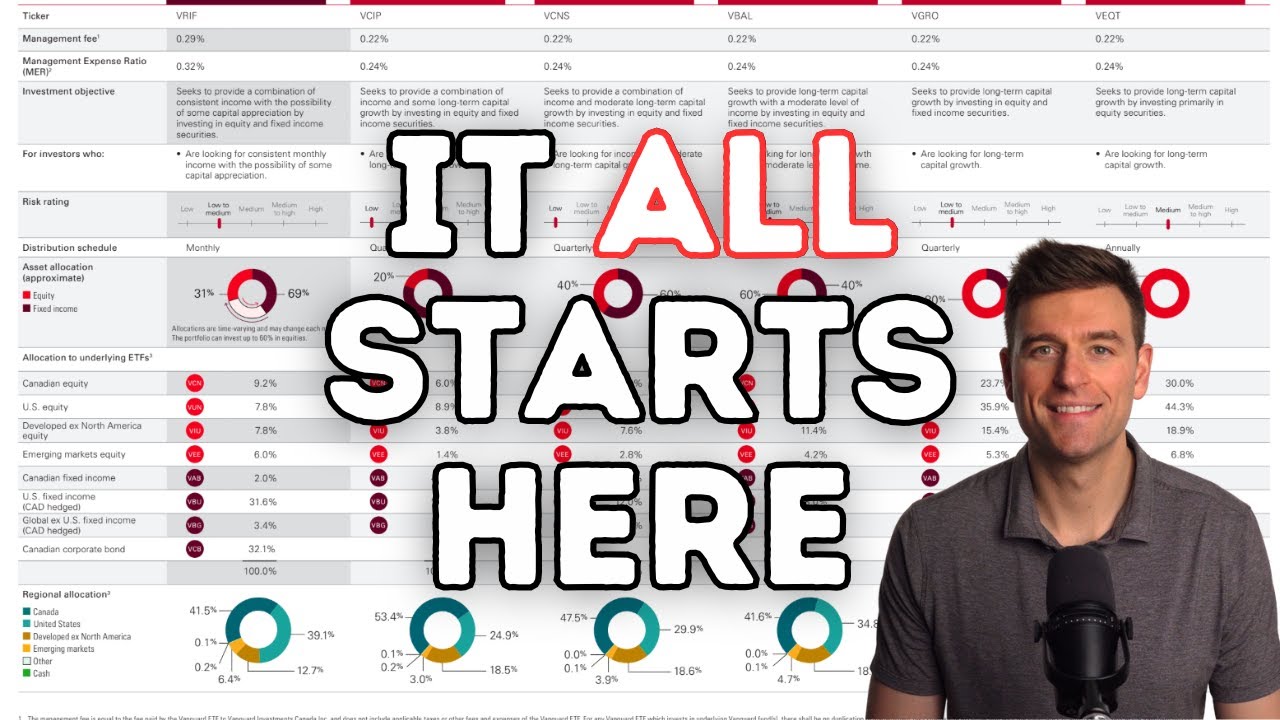
8 Likes
I think people can make asset allocation decisions. But when a world leader of largest military is more or less becoming like Russia and there are comments like “the only rule is the rule of strength “ from the administration , we should accept that the world has changed.
Whether we like it or not and this might mean change in asset allocation either due to change in fundamentals or change in how one views their investments and where they choose to invest . For example I wonder if Danish people will invest in QQQ if they will be forced to sell Greenland (by economic or military action)
2 Likes
That is my thinking. It may be that this is still business as usual or it may be that this is something we have not seen in 80 something years. Not sure which asset class would be unscathed from impact and therefore not sure any wise rule of the past still holds.
Polymarket estimates the odds of an “acquisition” of greenland at 15% and of invasion at 8%. I am wondering if there will be insider action there.
Has it? It changes all the time.
The asset allocation rules literally worked through two world wars and the cold war. Where similar themes were present. Even way harsher versions of said themes and the latter with a constant nuclear threat.
It‘s not about what comes out unscathed. It‘s about having an asset allocation that works over time during many regimes.
Even during the worst of the worst periods in the past, a global stocks/bonds mix had only a few years where it was underwater.
„This time is different“ has burned many many many investors in the past.
6 Likes
Just saying.
P.S. OMG, plots with S&P 500 stopping at 2700  .
.
3 Likes
I seriously doubt that global investors continued to invest in countries they were having a war against. For example -: were Dutch investing into German companies during the war ? Maybe they do. That would be weird though
I was not an investor then . Now I am. So to be honest I wasn’t paying much attention to investing during Gulf wars.
Yeah the trickiest is international investing.
I can’t really fathom a scenario where things go really bad, but one example, if the US escalates over Greenland it can quickly go into tit-for-tat, one area can be export/import/trade (the US has a lot of leverage, e.g. they force IT services to stop serving the EU), but another area can be sanction over investments.
(I think/hope the US knows it’s a nuclear option, but it’s an option among a lot of different scenarii)
At least from CH perspective you can hope to remain unscathed (in that sense a US ETF could be better than an UCITS one) if CH keeps a neutral stance and the US manages to understand that EU != Europe.
EU != Europe sounds much more difficult than Austria != Australia, in this context.
There is one saying that might help in it’s adjusted form: “Don’t fight the FED Trump”. What I am considering (in addition to staying the course with VT and 50% gold allocation)
- Chaos, war posturing and USD devaluation: precious metals and CHF
- Venezuelan oil for USA: US oil companies, arbitration winners of CITGO sale
- General US’ appetit for South American resources: South American stock
- Trump’s infatuation with Milei: Argentina stocks
- Greenland fantasies: Mining stocks with large exposure to Greenland
There are plenty of topics that could go 2x IMHO.
1 Like
Agreed. Personally I think EU will do nothing if Trump invade Greenland. EU will find a rationale to rationalise all this. Unfortunately EU is not China or India or Brazil. It might take 5-10 years to develop capabilities to fight back (if there is really a will to do so)
Reason -: energy dependence on US, IT dependence on US, trade dependence on US and of course defence dependence on US
5 Likes
Interesting, some of my friends went partly or completely into cash “due to the added risk at the moment”. What risk? The only investing good that permanently loses value is money, which is a position too.
My momentum portfolio (buy high - sell higher) made 6.06% in the first week of this year. Last year it made me 20.12% for the whole year. Both in USD, please do not start the currency bashing again.
Maybe the markets will get exhausted soon, but I will never exchange my stocks for basically worthless pieces of paper, money, trash-cash.
And for the timing: I am (or better my mechanic methods are) quite good in timing lows, but timing highs? Whenever I thought we are at the top of a bubble prices went up, multiplied again and again.
4 Likes
And the sad thing is, even after all, this should be painfully apparent, we are hardly making any strides to develop independence on all these key areas.
I made the same remark in another thread. The first week gave already 30% of the gains of 2025.
4 Likes
I remember reading that although trade/stock trading was naturally suspended between DE and other countries during WW2, at least US companies honoured backdated dividend payments to DE investors after WW2.
1 Like
I am going to be honest, this is the first time I am genuinely concerned about my portfolio. I can assume a high risk of loss because market conditions, but the perspective of war and freezing of assets, sanctions, etc is another ballpark. Specially with Trump making such a clear statements about his intentions.
I like a lot history and it reminds me a lot of wishful thinking of other countries vs the clear Hitler statements before the break of WWII and expansionist madness.
Do you all think really thats so unlikely?