Any Stockpickers out there?

I need some mental guidance here from the more savvy. :slight_smile:

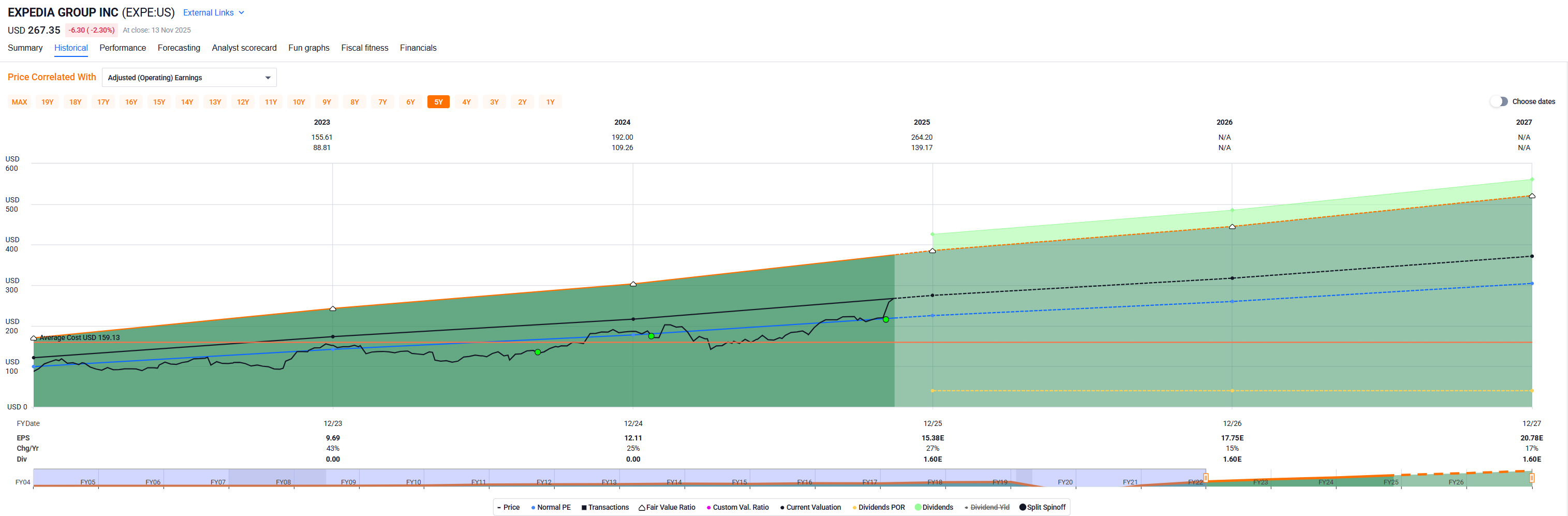
EXPE has returned to approx fair value, maybe even above, well done Kitty, 70% profit in 6 months.

It will also start to pay a (meager but non-zero) dividend soon as well.

If I scale down FG to 5 years it looks as it could go to WAY more, but I am not so sure it’s that easy.

What’s the mustachian attitude to these stories? Take the chips and look for the next flower? Trailing stop-loss?

Sorry, you may have heard that from me already: position management includes to know when to sell. You need automated position management… now!

1 Like

Succinct as always.

I would advocate for semi-automated. I bet that’s what you do, too, unless you have codified sell orders on IBKR at which point I’ll be … not sure … I was going to first write impressed but on second thought I would probably choose a different adjective … :wink:

Anyway, we can probably agree that selling should be at least rule based.

Going back to EXPE. I didn’t even know EXPE is Expedia. Or that it still exists … :sweat_smile:

Probably last used them more than 15 years ago alongside Kayak when looking for cheap flights before Google acquired ITA and Google Flights launched. Don’t know anything about Expedia’s business model today.

Anyway, looking (purely) at FASTgraphs I would have chosen the full view including the FAST Facts (column on the right) as well as the full 20 years of history.

With this view at hand I would (personally) conclude:

  • overall nice growth
  • susceptible to recessions (GFC, obviously Covid-19)
  • low (dividend) payout ratio, but …
  • dividend cutter despite that low payout ratio
  • a little high on long term debt to equity (60%)
  • slightly overvalued; fair value given their long term growth is 15xP/E
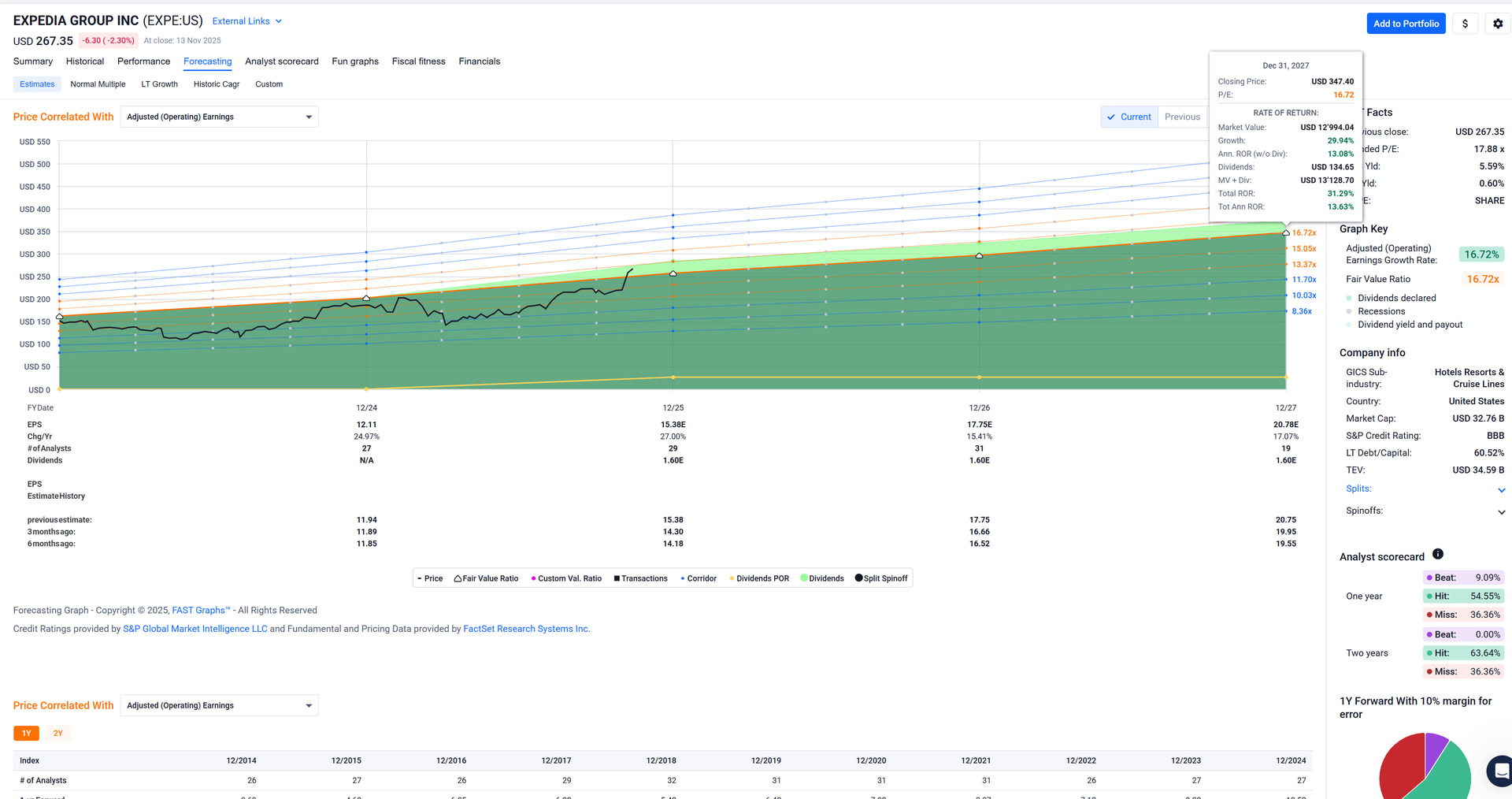
  • they don’t provide great guidance (they missed analyst earnings estimates more than 1/3 of the time, looking back over the past year and two)

Looking at the (estimated) future …

Doesn’t look too bad:

  • earnings estimates have been rising over the past 6 months (but remember the estimates are often missed, see above)
  • another bullet point, but empty … can’t really think of anything else :wink:

I summary, this company probably wouldn’t appear on my personal potential buy list, mostly just purely out of taste/personal preference. If this company for some reason existed on my holdings list now, I’d perhaps hold onto it a little longer given the expected earnings and potential dividend growth trajectory, but it wouldn’t be a position held with conviction, again mostly for personal reasons:

  • I rely on income and don’t like dividend cutters unless it’s for a reason that resonates with me.
    EXPE’s dividend cut seems (to me) like either panic or bad cash flow management. Or using “market conditions” as an excuse to screw with their shareholders.
  • I don’t have any understanding of their current business model but from memory it seems like without any moat.
    The way I remember their business model (buying vacation inventory, selling it at a premium, and sharing the profit with the original inventory provider) I actually kind of hate them. I always try to go to the original vacation provider and buy direct and shake my head about the middlemen like Expedia, Google, etc taking a cut not because they’re better, but because they somehow oligopolized the selling channel. Anyway, maybe their business model has completey changed, in which case you should just ignore this comment.

Your reasons for owning it might be totally different, e.g. not interested in the dividend but the long term total return in 20 years, you might have a more up-to-date understanding of their business model, you might understand how they have a moat, so please don’t take my deliberations as any advice either way.

It depends on your own goals and how you think this company might get you there.

And yes, implement some rules about when it’s right for you to sell.

Lastly, freely quoting one of my heroes:

“(Position) Sizing is more important then entry/exit level”
  – Convexity Maven aka Harley Bassman

2 Likes

I was an original investor in Hutchinson Wampoas priceline.com in the 90s. Unfortunately I sold with only a few hundred percent of gain. I learned a lot from this trade even it could have made me very rich very early in my life.

2 Likes

how does “time IN the market” come to this argument?

I sold my last larger MSFT position back when Trump first came to power in 2016, after having collected more than 100% profit on the position, thinking I’m such a great investor… at 110 USD…. :smiley:

1 Like

D-day today. Sold/trimmed 25 positions and bought XLE and XLB.

1 Like

When to sell is a slight tangent to this topic, but since we’re discussing individual companies, might as well discuss it here.

Two answers:
a) I find the question hard to answer when you’re in the accumulation phase.
b) I find the question relatively easy to answer while in the consumption phase, especially for my personal case of consuming dividends.


Case b

I find myself optimizing for consistent and growing cash flows. My fast (but not hard) rules for when to sell:

  1. Company’s earnings prospects have deteriorated fundamentally (“whale oil business”)
  2. Company cuts dividends
  3. Company does not raise dividends for many years
  4. Company locks up X amount of my capital but has a lower than 2-3% yield
  5. Company is overvalued and contributes to a larger than normally (for me) “acceptable” portion of my dividend income.

This occasionally leads to me missing out on total return if I had held on to the company, but I’m fine with that as I’m not interested in financing my cash flow needs with capital gains. If the (capital) gains arrive nonetheless, I won’t complain, but I don’t want to be dependent on them.
To paraphrase: one dividend in my hand is better than two capital gains in the bush.

Cherry picked (sell) examples:

  • Bought Foot Locker (FL) in February and March of 2020.
    Then noticed my kiddo no longer buying at Foot Locker stores (previously kind of always) and instead ordering his sneakers (in fact, all his shoes) online (of course excarcerbated by COVID-19).
    Then FL cut their dividend even though Free Cash Flow was still covering it (probably smart of them from a business point of view to cut, but in my book another sign that management saw a severe storm ahead).
    Decided in August 2020 that this business was on the whale oil track and liquidated it.

    The company snapped back post lockdown, but seems like a stale business now. Probably not going out of business, but miles away from becoming a dividend growth company again.

  • Bought Broadcom in October 2022.
    Dividend yield dropped, P/E expansion continued thanks to the AI hype.
    Decided to sell some mid 2024 after tripling my initial price, buying into higher dividend yields instead, and sold some more in September 2025 after the yield dropped well below 1%. It’s still one of my larger positions.

    This seems like a great business, additionally riding the AI wave, and it’s poised to grow more, faster than ever.


    Should I have not (partially) sold? Maybe not, in hindsight. Again, the (larger) cash flow from other new or now larger positons from the Broadcom sells come in steady every quarter and growing every year.
  • Bought Abbvie in 2019 and 2020.
    Sold a small slice last week as position was overvalued and was scratching at the upper limit of my position sizing. The yield was also scratching on the 3% yield (still acceptable, in general, but as a soft factor pushed it over the line to sell a small slice to finance some other better prospect positions)


    Still a great company! Would I buy at current prices? No.
  • Bought Intel in 2020.
    Sold it (too late) in 2023 at a loss. Dividend cut, business not looking great (not whale oil, but seemingly uncompetitive chips).


    Didn’t see Trump/the US coming in to buy / get assigned some INTC, so lost some theoretical book profits on this, but ultimately, it’s no longer a position I want to own. Invested the proceeds from sells into more attractive – higher yielding, growing their dividends – companies at the time.

Case a

I kind of think the general theme of time in the market only applies to being invested in the market, i.e. if you’re investing in major indices, e.g. VT, SPY/VOO, etc.
For these instruments, the principle (for long term investors) is to Just Keep Buying™. Tested and proven.
Selling at a point in time is a matter of luck. Hopefully you don’t have to lump-sum sell at a market bottom. Statistically if you sell small slices (at consumption phase) you’ll be fine, but to determine a point to sell to optimize your total return … well, good luck with that.

If you’re not invested in popular indices but in a stock picked portfolio, I would turn to case a if your strategy was dividend oriented.
If it was not dividend oriented, you’d have to come up with your own rules. E.g. @cubanpete_the_swiss has his rules for his momentum based approach. If you come up with your own approach for picking stocks (with whatever strategy) it’s probably best to define your investment goals and alongside the rules for when to sell within that strategy.
The point is that it is easier to define rules for individual companies (based earnings, cash flows, momentum, whatever suits you) that you can hold with conviction than to do the same for “the market”.
“The market” decides on itself what those rules are and they can change in a blink of an eye.

It sounds almost trivial when explained like this, but the challenge is apparently to realize that you need to have rules for selling and then actually coming up with rules that you can hold with some conviction.


3 Likes

Good points. BTW I have exact rules for selling in both my mechanical strategies.

Time in the market is important, that is why I hold as long as possible… but not longer. :wink:

The question when to sell how much is not easy to answer. Once you realize that you cannot get highs or lows for trading you have to find a compromise. You have to find that compromise way before you ever start a position; once you hold a position you cannot make any objective decision.

My rules for selling in the momentum strategy: partial sells after 500% of gain and after 12 months of holdings, complete sells when I need money to buy a new position.

My rules for selling in the dividend strategy: partial sells when a position reaches 6% (down to 5%, call this the market dividend), complete sells when my requisites are no longer met in the last quarterly and the last yearly report.

Yes, it really is that easy to describe. But it is hard to do!

2 Likes

I wonder when I’ll sell my GOOG(L).

Just in time for XLE to fall 1.7% :laughing:

Made quiet some money yesterday (divi 0.46%, momentum 1.51%), again proof that my strategies correlate little with the markets.

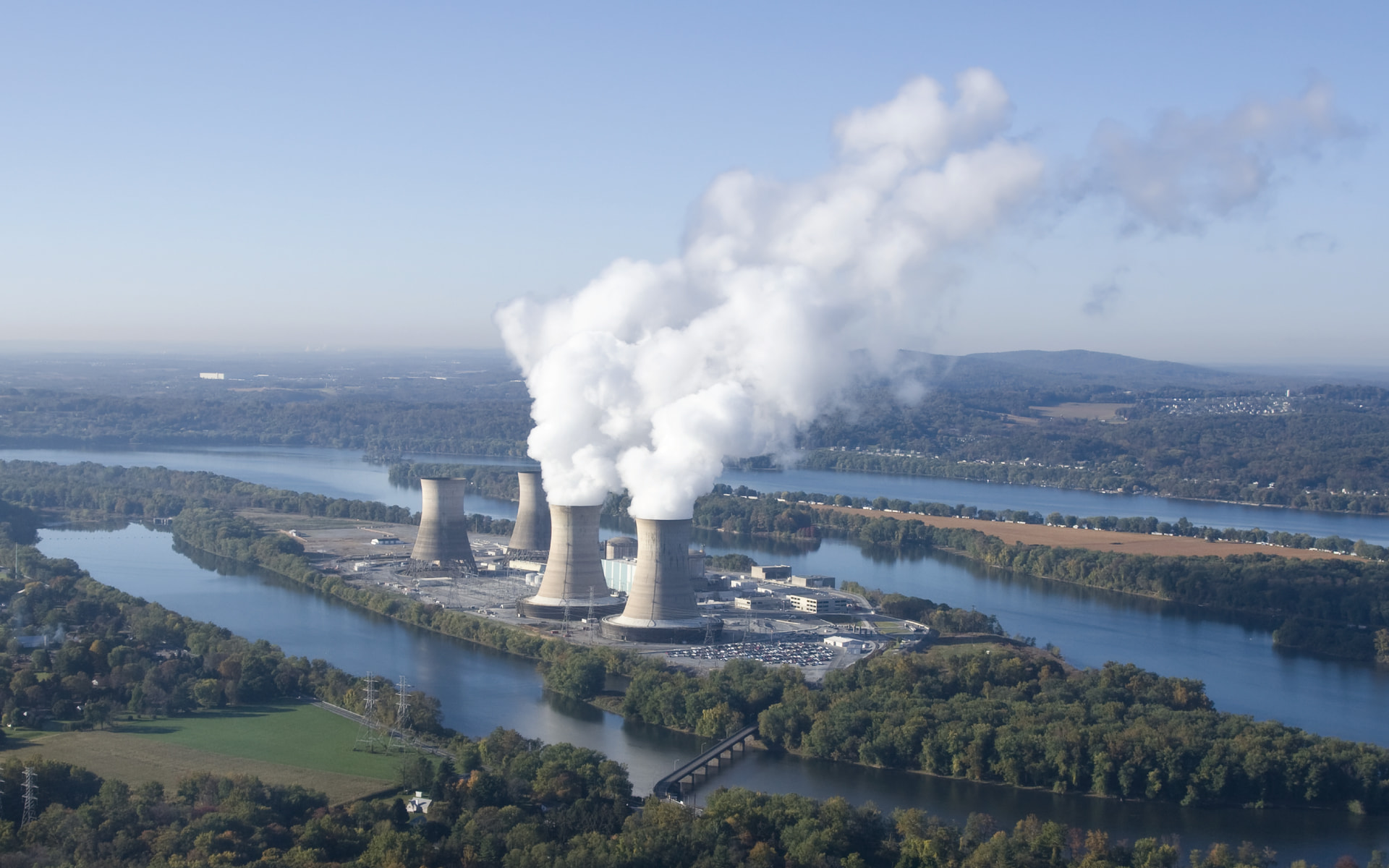
Constellation Energy did secure a 1 billion credit to reactivate the 3-mile-island plant. It’s output is already sold to Microsoft for the next 20 years. Analysts expect a rise in earnings per share of 9% this year and 27% next year.

I hold CEG since 2022, my second oldest position in my momentum portfolio with a gain of 485%.

2 Likes

Cool, we need more nuclear power, been saying it for 20 years but it seems policymaker prefer to listen to people parading the streets dressed like vegetables.

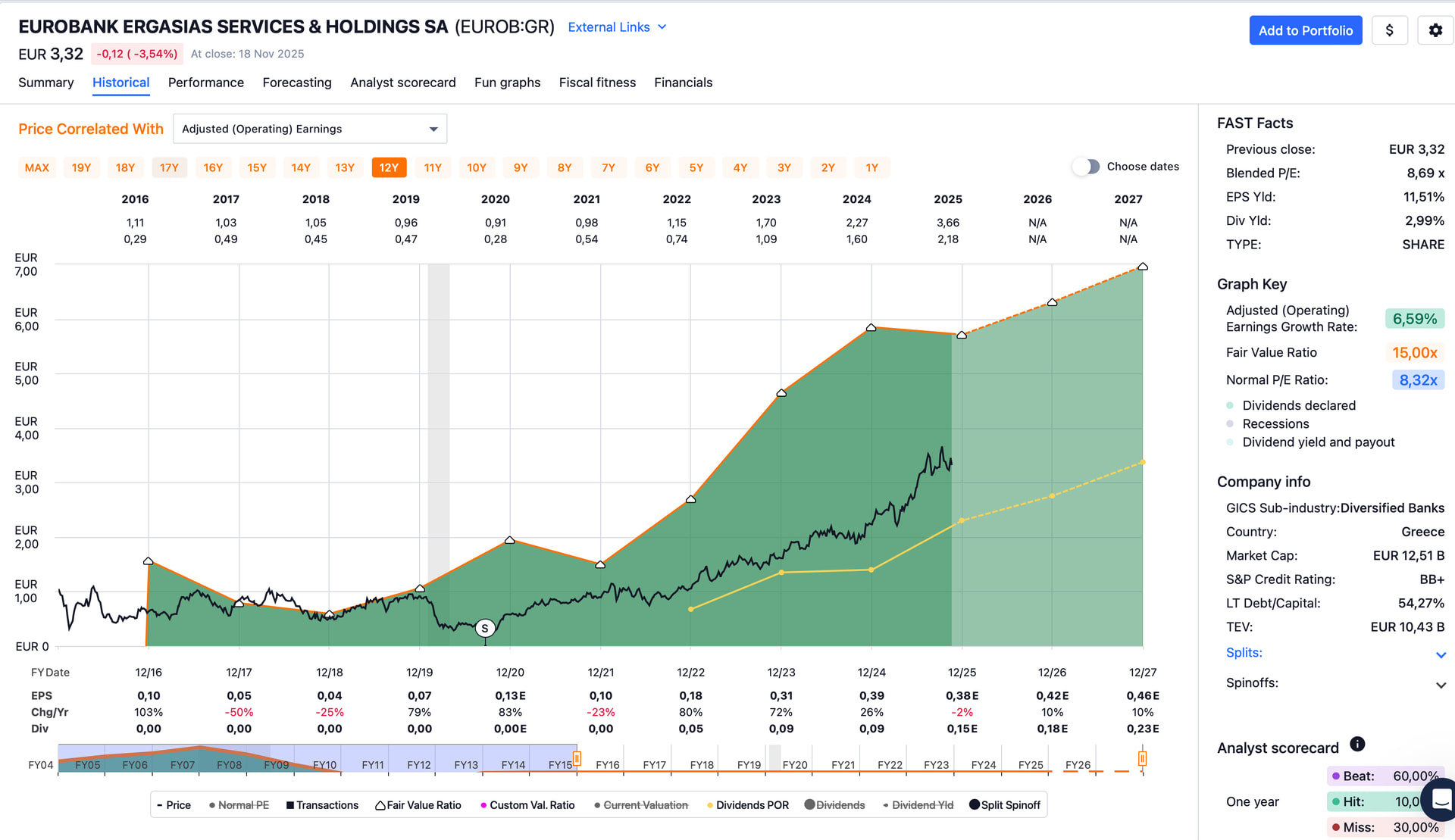
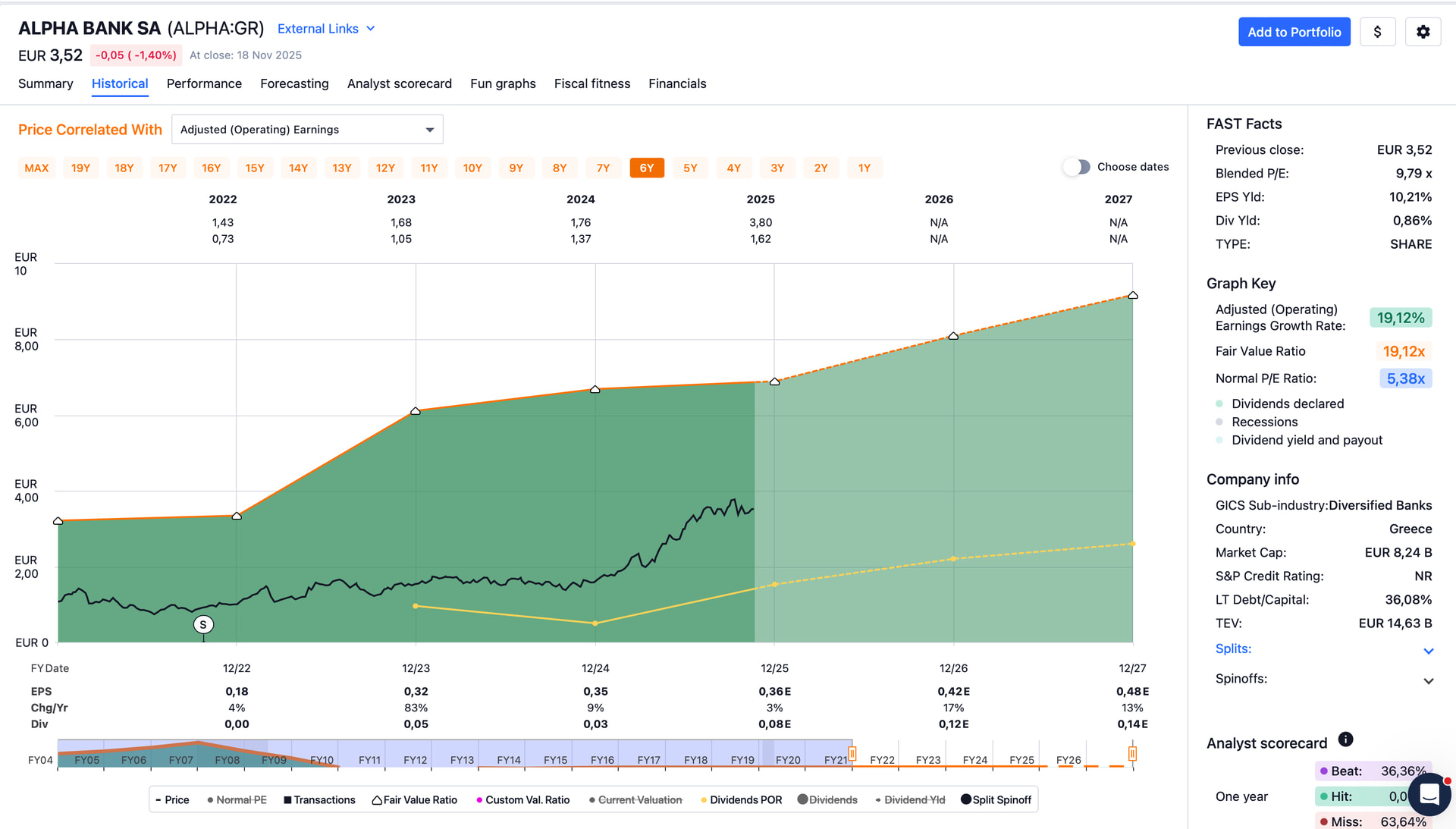
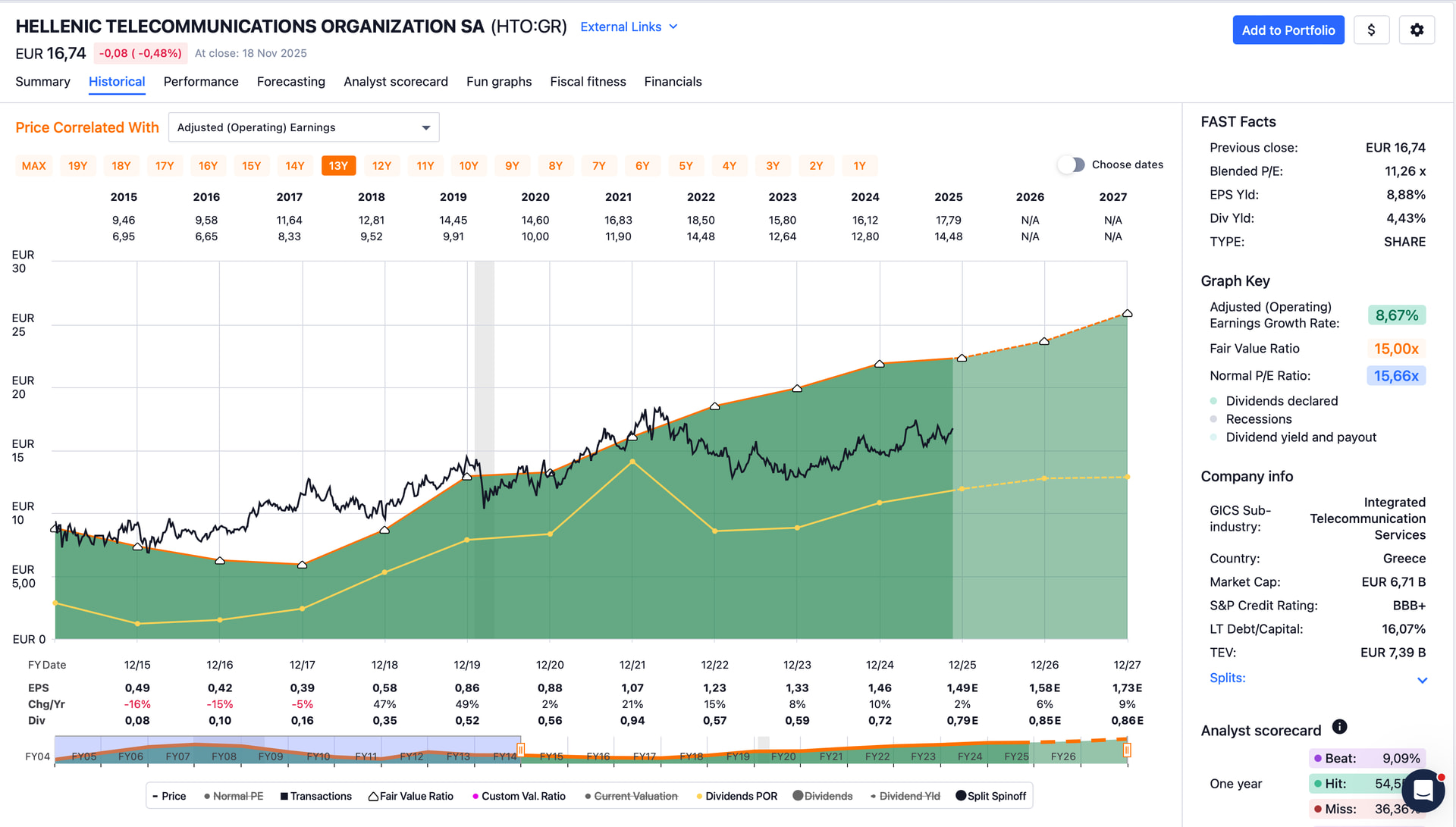
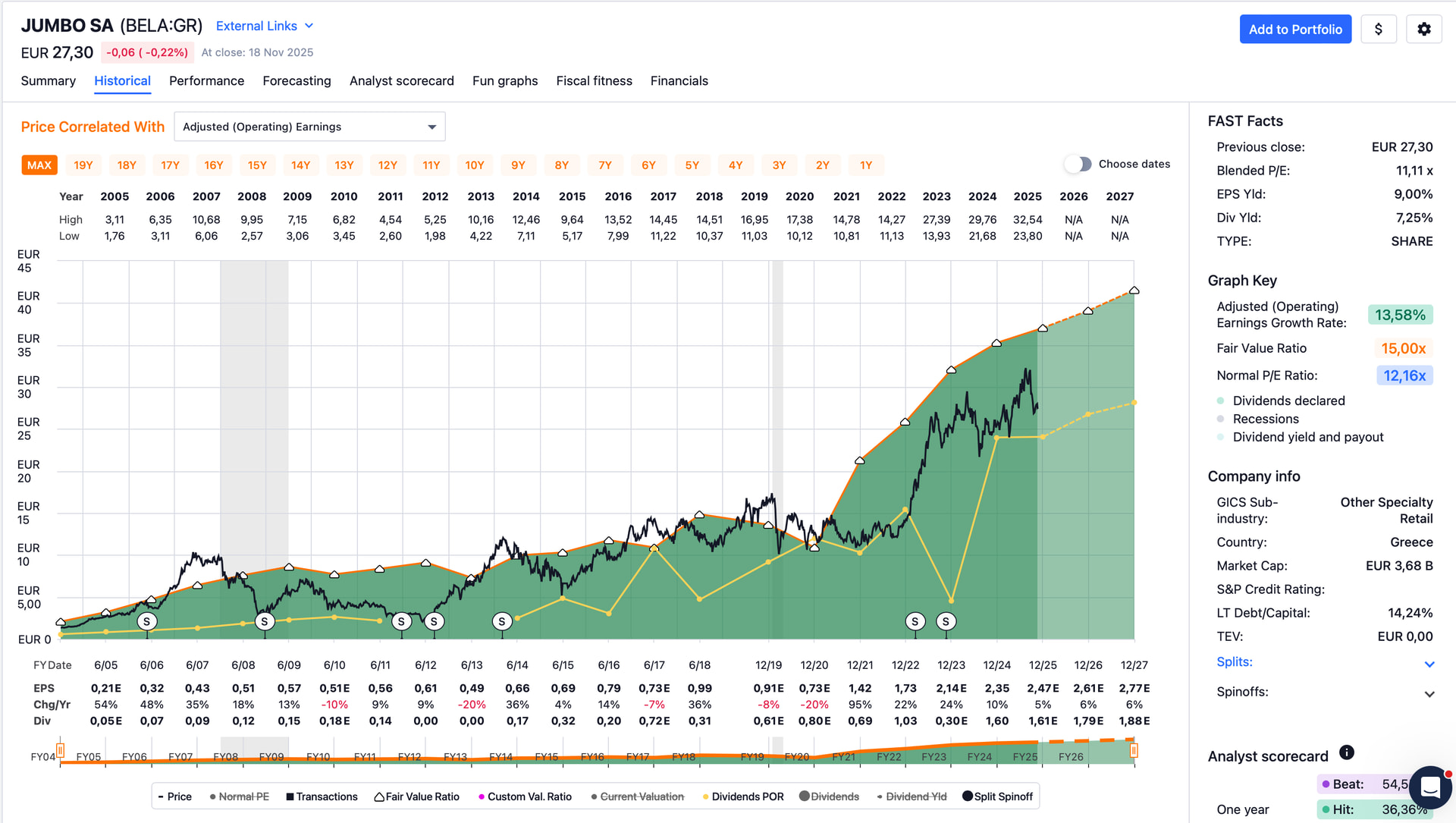
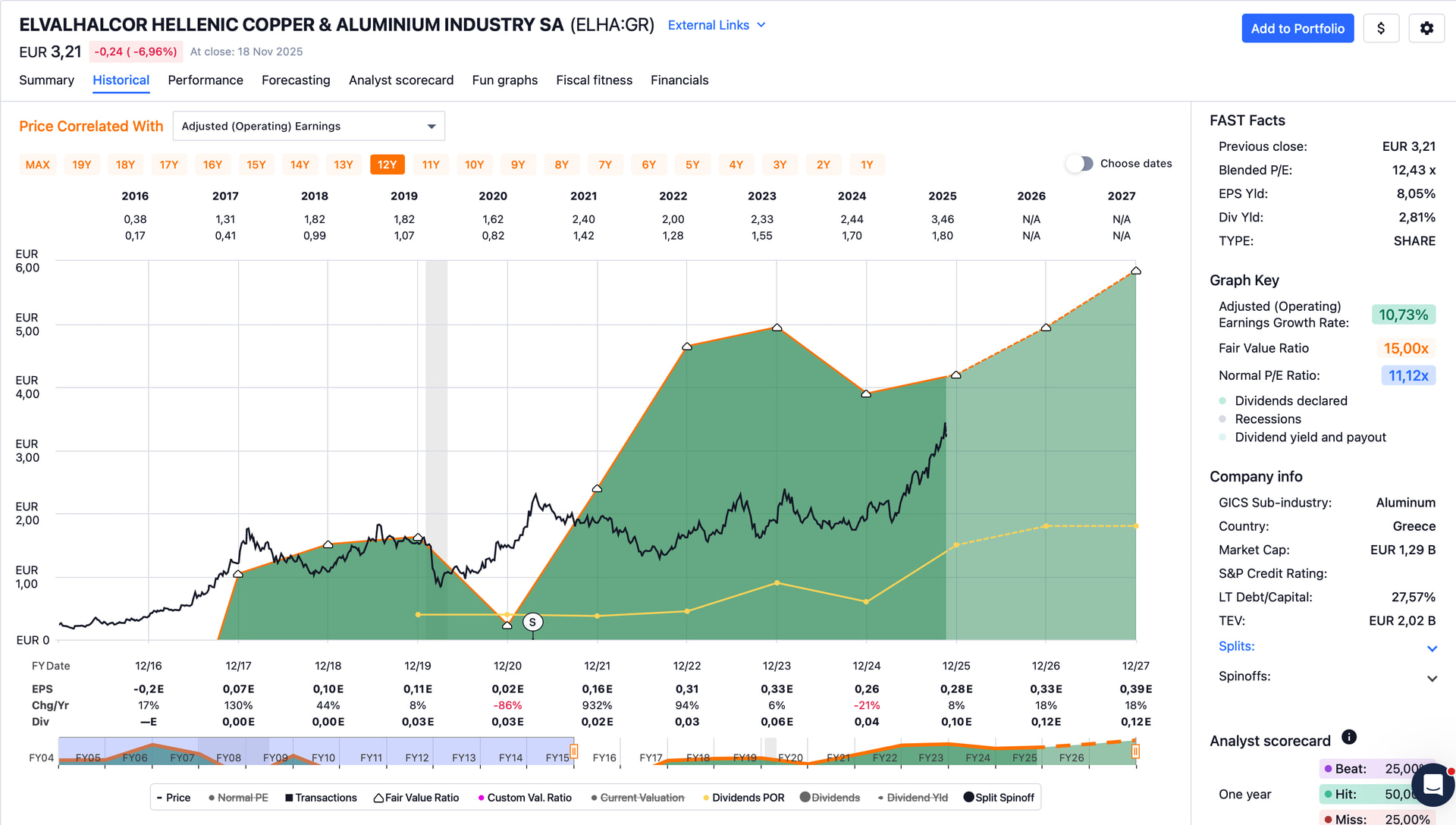
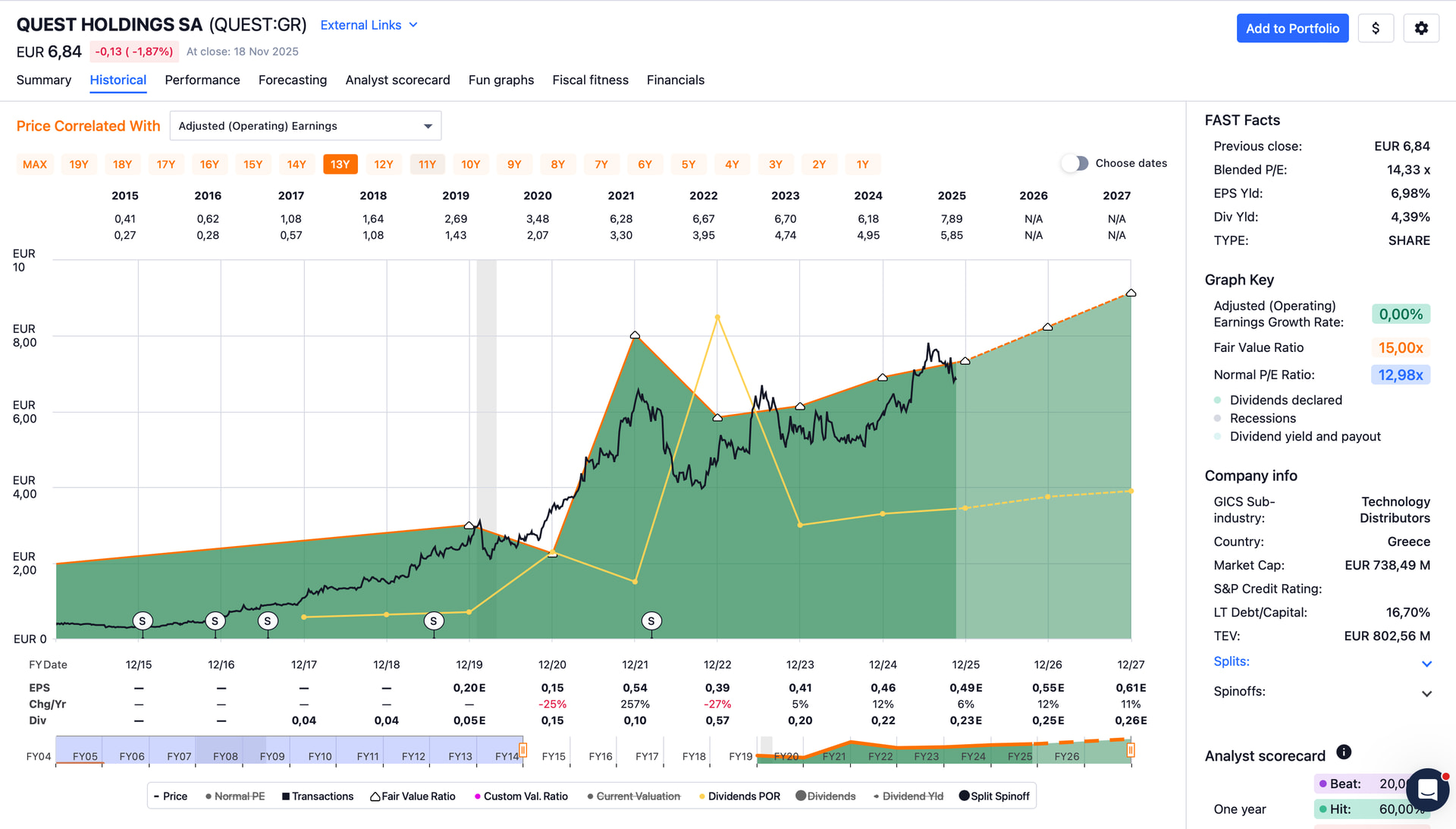
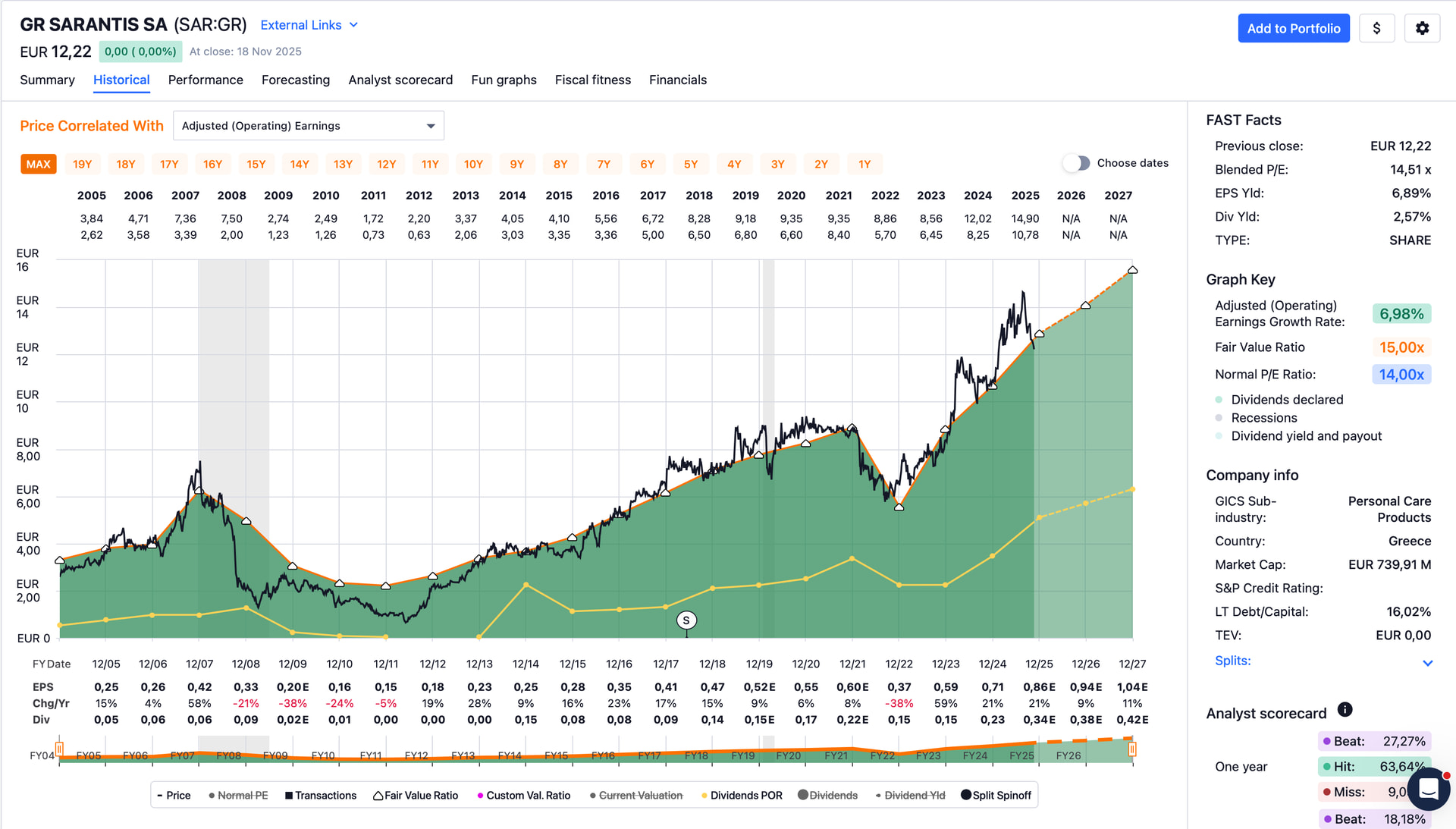
Side note, @Your_Full_Name yesterday I read an article that Greek firms increased their dividends paid 40% since 2025, and 75% since 2023, also that ATHEX’s PE is around 10 at the moment. Not sure what WHT is like for non-residents, for resident taxpayers it’s just 5%. You’d done your FASTgraph magic here.

1 Like

The WSJ writes that the billion is a federal loan. Interesting.

Also, reading the article also reminded me that Three Mile Island was one of those plants that suffered a partial core meltdown in 1979. Reactivating that technology in there must be like tinkering with stuff in a technology history museum.[1]

That sounds cheap. Maybe I should turn over a couple of rocks in that index …

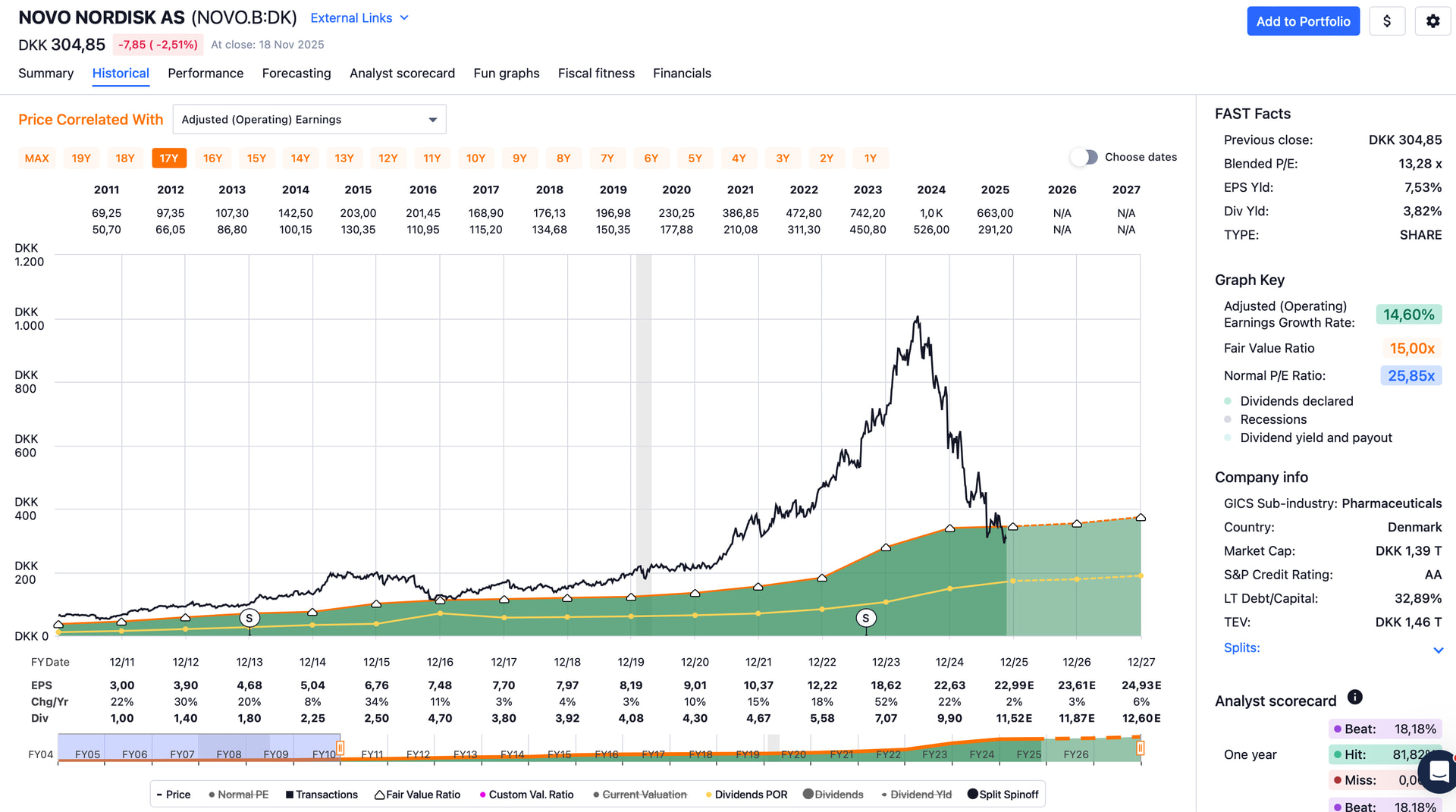
Came across Novo Nordisk via Twitter today. The FASTgraph starts to look interesting. It’s never been valued so low in the past 20 years.

I suppose the price drop is a result of the future earnings estimates falling like rocks in free fall, too.


1   BTW, if you’re interested in technology (history), I can highly recommend enter.ch.

Or just simple economics.

The new power plant built by the French (Flamanville) has been audited by the national accountants. Price per kWh: minimum 90 cts/kWh for a 2% rentability if everything goes well. I am already buying energy cheaper than this right now. Basically, energy will be nearly for free in summers (if not negative). Problematic are the winters (where we do not have a proper solution yet), but you can’t build nuclear power plants to operate only for six months (economically).

BTW, France has to replace 50 reactors in the next decades. they “manage” to build around 3 simultaneously over a timespan of 20 years or so. And they are the only ones in Europe who are able to this. Meaning, we do not even have the industrial capacity to do more, and financing is always on the brink of collapse…

2 Likes

Not sure I understand your point. I never looked at the economics of it, my driver is a combination of distaste for fossil fuels, the anti-nuclear lobby, and giving leverage to hostile countries. I’m all for renewables, too, basically anything other than burning coal, gas and oil for electricity and/or heating. Need petrol for my bike, you see!

France is the only country taking nuclear energy seriously, continuing research when most stopped it by the 60s, I always commended them for it.

1 Like

It’s problematic due to the way the market has been set up. There is no credit for reliability so solar ‘free rides’ on base load suppliers like nuclear or reliable generators like gas/coal.

I wonder if this could be solved by forcing separate prices for baseload energy (which providers need to supply year round) and peak energy.

That way instead of externalizing the costs of unreliability, solar/wind providers will have to obtain secure power themselves and incorporate that cost into their own cost.

1 Like

FWIW please promote your arguments for nuclear energy without random insults. Ta.

Is it a reasonable distaste for the anti-nuclear lobby. Maybe looking past it at the actual arguments could be beneficial (actual costs etc.) would be befenicial. Right now, your argument is not more than “I do not like how they are dressed”.

So how can you actually have an opinion ?

But does not even have the capacity to replace their own reactors, and EDF is an economical disaster. So not sure how serious I am able to take it.

Because we have so many uranium mines (and mines in general) in Europe ? France is importing 70% of their supply from Niger. Al Quaeda/Islamic state in the Sahel zone ? No issue for sure

Actually it is. That is why nuclear power is sold way in advance (5-10y, if not more). No one is selling nuclear energy on the spot market (or just a fraction of it). However, it appears that the price is not at all competitive with other energy forms, only with the massive subsidies it receives.

BTW, just right now Beznau 1 was off the grid for a month, unplanned (talking about reliability). Costs : 20 MCHF/month, in a month where the spotmarket is cheap.

Kernkraftwerk Beznau: Stillstand seit 30 Tagen – wie lange noch? | Tages-Anzeiger

Furthermore, the output of Beznau had to be reduced by 50% in summers, because the cooling water temperature was too high. An issue, we might encounter more and more in the future.

Beznau nuclear power plant reduces output due to high Aare water temperatures

The solution for the intermittency (that is actually the better word than reliability in this context) of renewables is actually there. Batteries are getting cheaper and cheaper, redundancy (which you need with all energy forms) is building up on a overregional scale, which mitigates weather effects. However, I agree that the seasonal problem has not a thought through technical solution for yet, and work is still on the way. Nuclear is not the way however, the investments costs are just so high, as well as the financial risks involved that state guarantees (tax payer) has to stand up for it.

3 Likes

It was not an insult, or meant as an insult, though. We’re very off topic so I won’t take it further.

1 Like

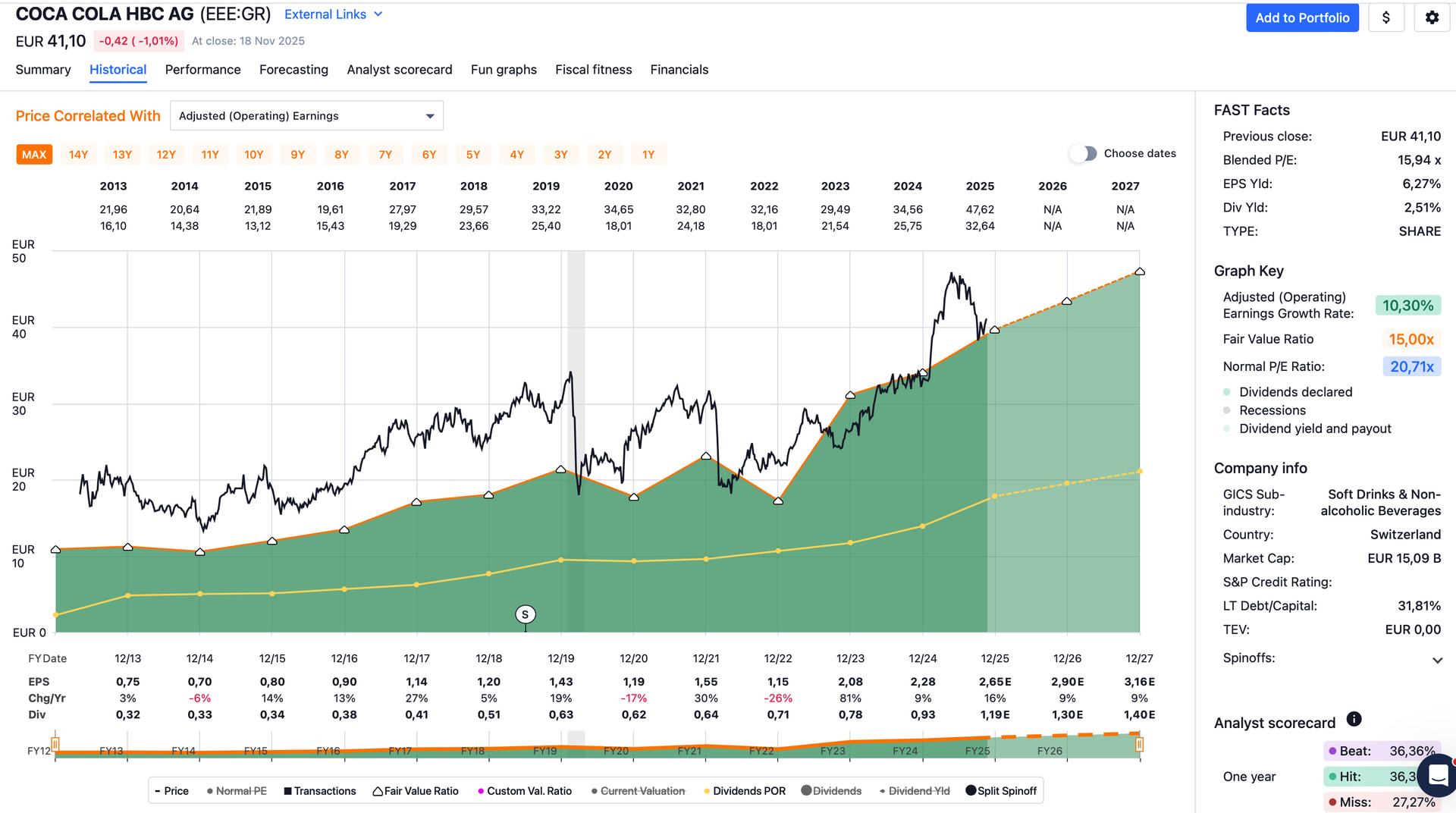
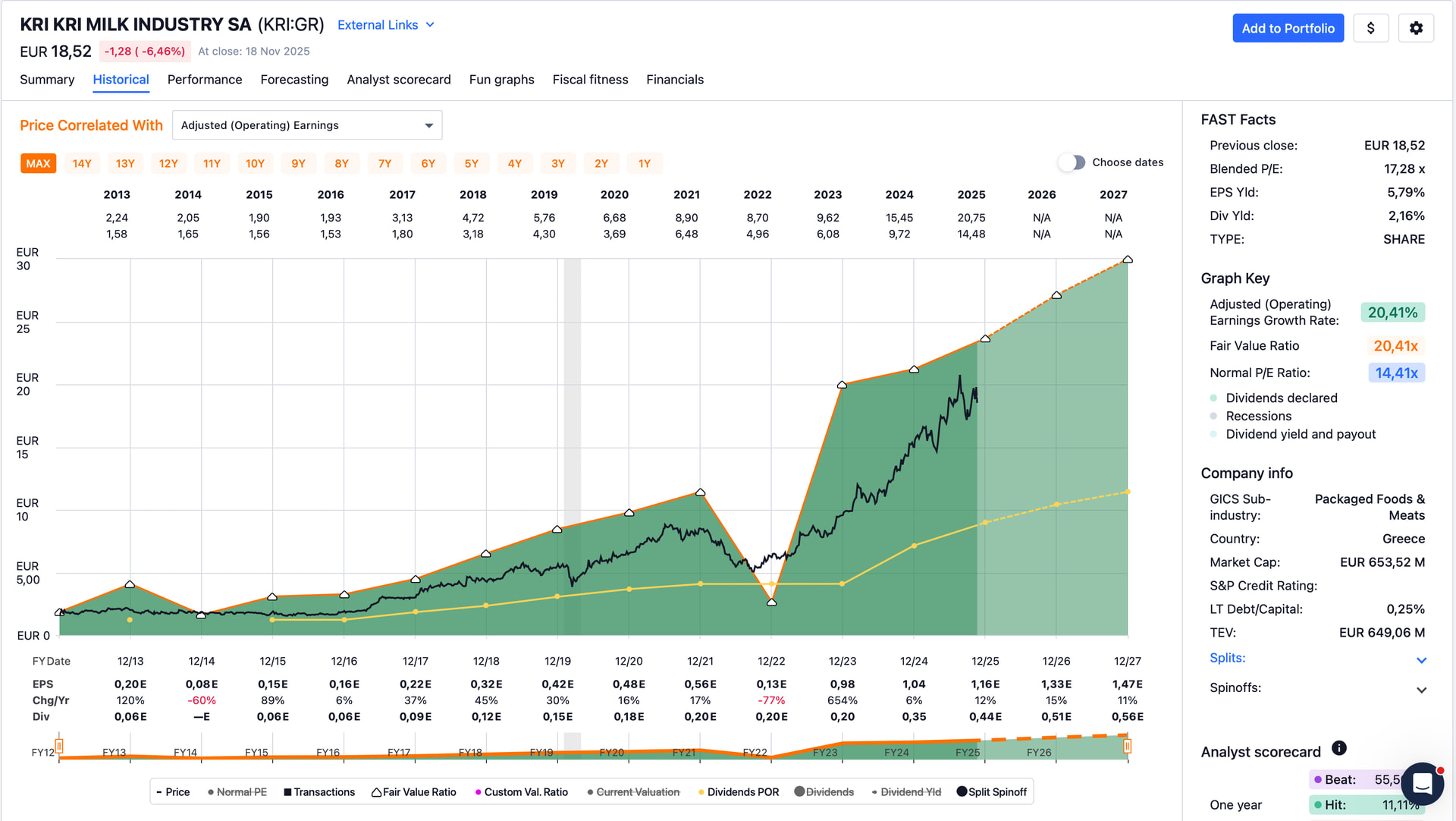
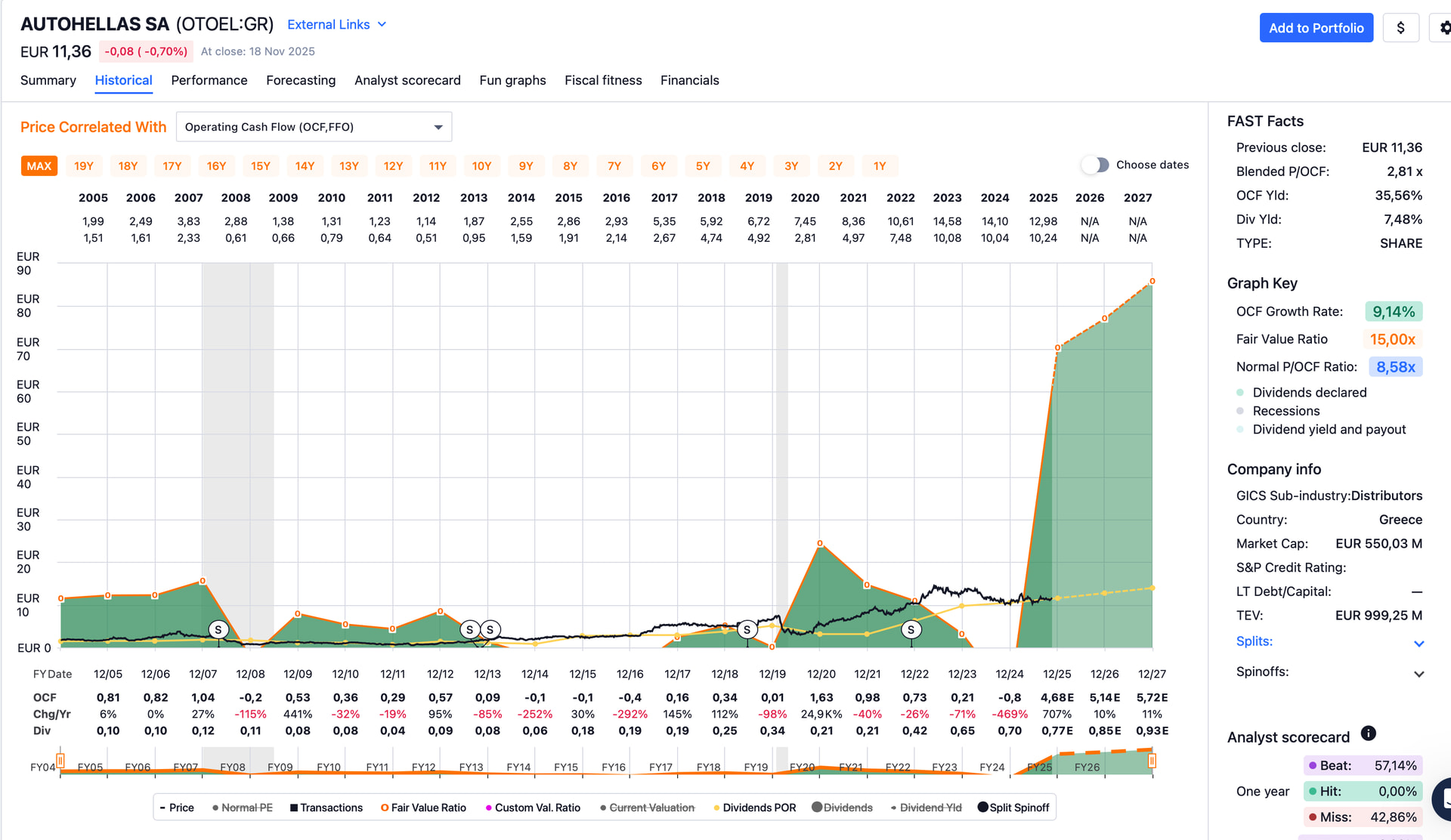
Did a quick round of turning over a couple of rocks. Attractive to me:

The financials and some other sectors looked ugly in the post GFC years so I cut that out to not distort the picture.

Couple of headscratchers, too. One that I actually kind of liked:

1 Like