Those who reacted to “SARS-CoV2 changes everything” a few days after the lockdown, learned it the hard way a few months later.
A worldwide halt on logistics coupled with the lack of option to return to normal (if 2-10 “important” people decide to stop doing X) seemed more concerning than what happens now.
Hence no, for me Iran does not change everything.*
Actually, it is interesting to compare covid vs Iran.
Do people see this as better or worse than covid?
Interestingly, I saw covid as a blip and was buying the dip (too aggressively).
while hopefully this could also be a short blip, it has the potential to have longer lasting effects, the impacts potentially being broader and taking longer to resolve (if oil buffers are insufficient).
another big difference seems to be that the market reacted badly for covid, but seems very sanguine now.
I’m still expecting some mustachian mindset “reviewing”, if it happens that hard saving frugality ends up being poorer for some years, year after year. I don’t wish that though.
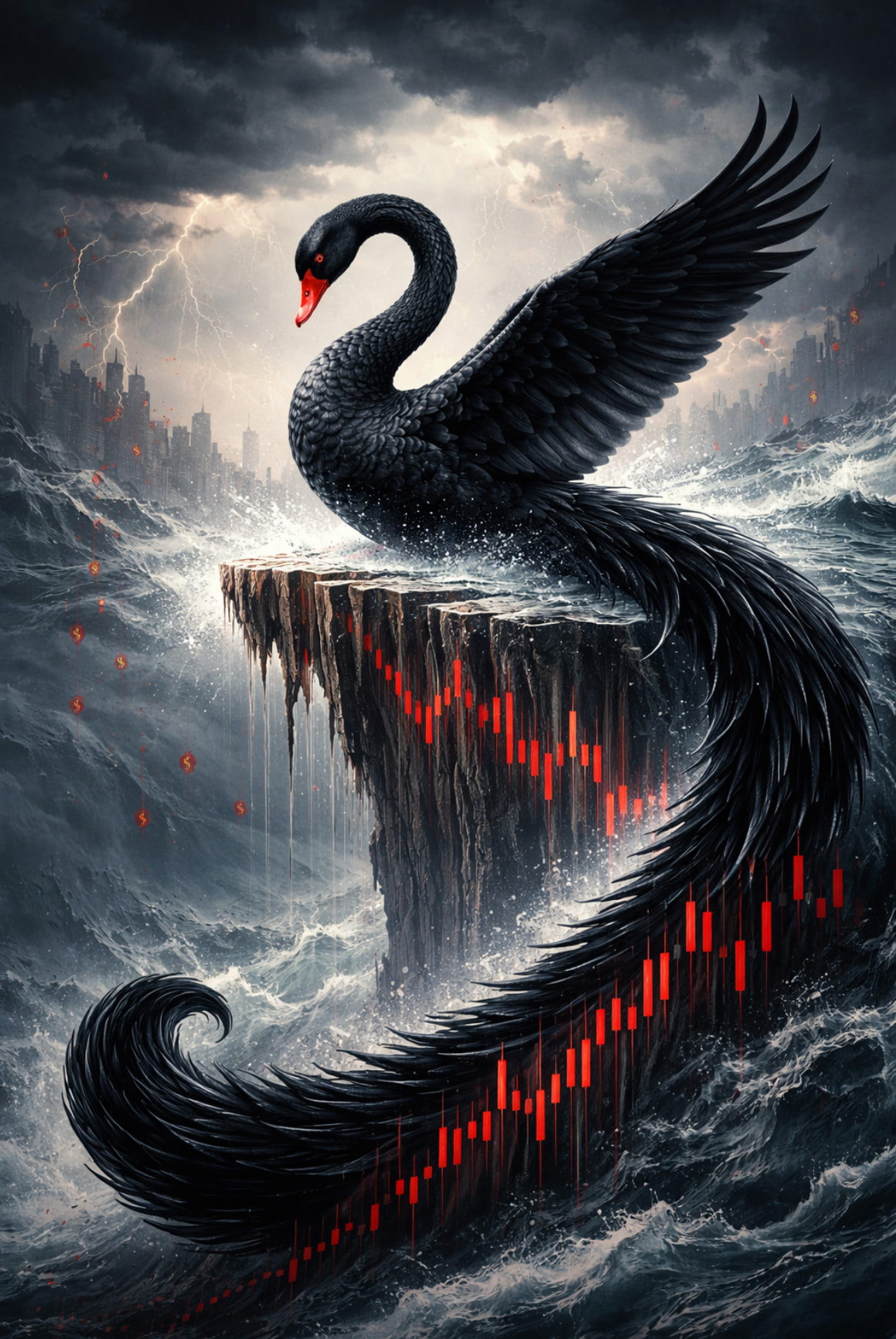
No criticism, but this kind of posts (second one today) about this crazy animal (the black swan with a left tail) shows no one is immune.
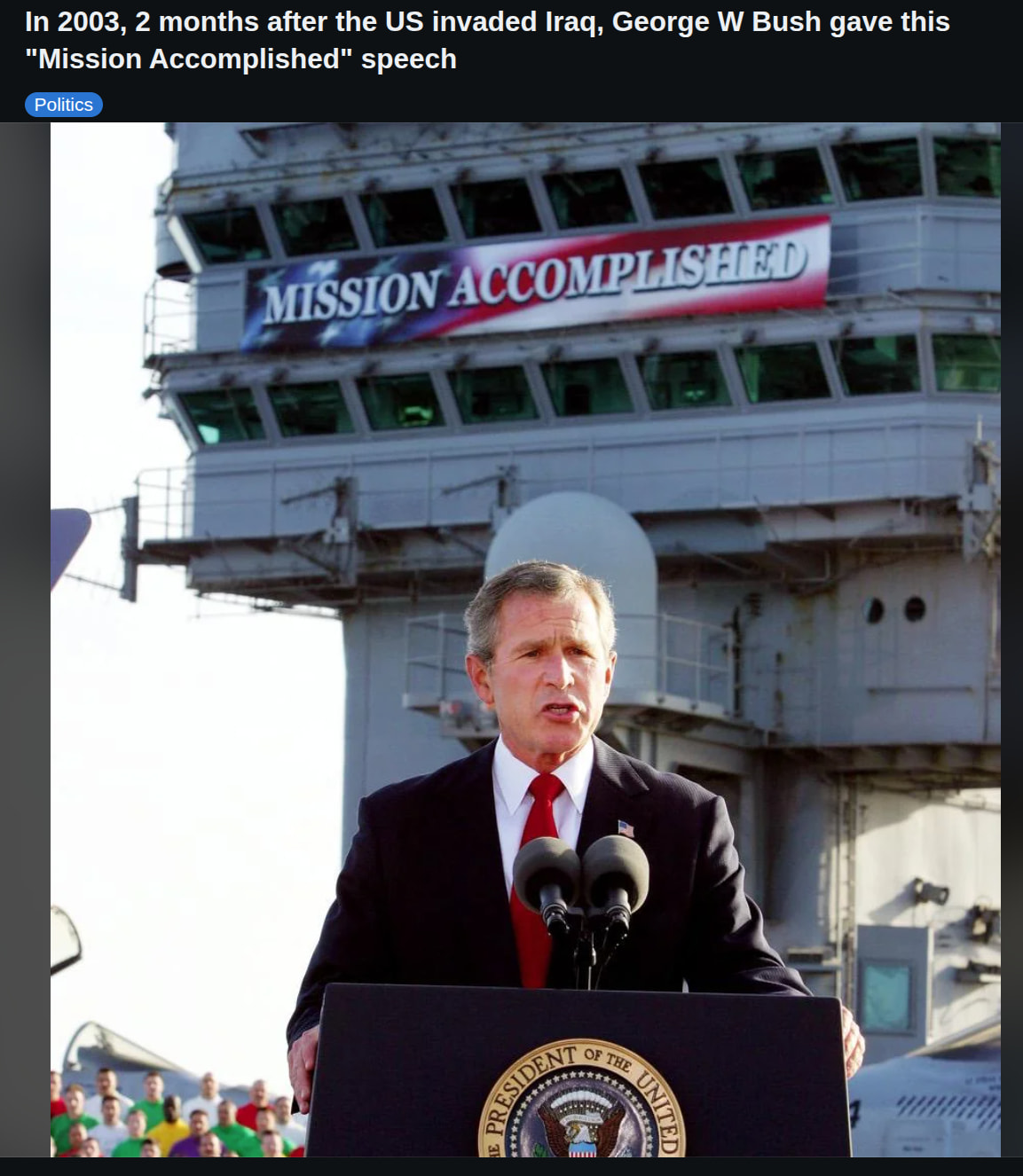
Trump can declare victory anytime, saying the war is over. And everything will get back to normal. The disruption can’t be very big based on what has already happened, and they can’t afford to prolong this very long.
One of the problems is the Strait of Hormuz. And just because Trump says “there is peace now” doesn’t mean that Iran will stop firing on ships. That is beyond Trump’s power.
But a spokesperson for the Revolutionary Guards said Tehran would not allow “one litre” of Middle Eastern oil to reach the U.S. or its allies while U.S. and Israeli attacks continue. “We are the ones who will determine the end of the war,” the spokesperson said.
In a later Truth Social post, Trump said: “If Iran does anything that stops the flow of Oil within the Strait of Hormuz, they will be hit by the United States of America TWENTY TIMES HARDER than they have been hit thus far.”
In other words, if the US “ends” the war but Iran continues to fire on ships, things could escalate again. But as always, we don’t know - which is what makes active investment so difficult.
If we would have bought some Crude Oil related ETFs last week before the war announcement, today the price is already 2x, within a week could have doubled the money with a low risk and high yield. Guess only the war planners earn from this, as they know when it will start and end, while the general public suffers with increase in gas prices which impacts everything else.
Although we should keep a positive outlook, but if this situation continues, it can lead to a financial crisis for the world economy. Especially if the Middle Eastern countries decide to pull out of the US stock investments and treasury bonds. In addition, if they continue, de-dollarization could happen if the petro dollar is no longer used for oil trades and such trades come from other currencies.
“Better”, nobody’s locked down outside of the Middle East, and even then it’s specific places and countries. Covid-19 looked like an apocalypse scenario nobody alive ever experienced other than in cinema.
I feel Covid was probably a bigger deal, and if the vaccines didn’t happen when they did we’d be talking very differently. Or even if the money printer didn’t start the drawdown would’ve been much longer.
I think what makes Iran concerning for me is that it is a pure supply issue, unlike covid (where initially it was mostly a demand issue) we can’t just turn on the money printer to mitigate it. And governments have a lot more debt & inflation, i.e. there are more concerns with turning on the money printer.
Mit dem Lesen und der Teilnahme an diesem Forum bestätigst du, dass du die Forum-Richtlinien gelesen hast und damit einverstanden bist sowie den Haftungsausschluss auf http://www.mustachianpost.com/de/ akzeptierst.