Thanks for the suggestion ! Maybe small local communities would allow more variety, buying bigger lots (with rebates) and knowledge sharing.
Professionals could also be interested to do smaller special editions, so why not .
All in all I think you often get what you pay for. Coffee is a fresh product. The fruits nature at different times and are ideally hand-picked when ripe. Processing is also very important. Then you have different terroirs, sun exposure, altitude etc. With green coffee you’re able to better assess the quality than with roasted coffee and not to talk about grounded / capsules / instant.
For Nespresso you pay .59 / cup but 5-7 g of coffee. With the fancy coffee ~ 1 - 1.20 / cup at 18 g.
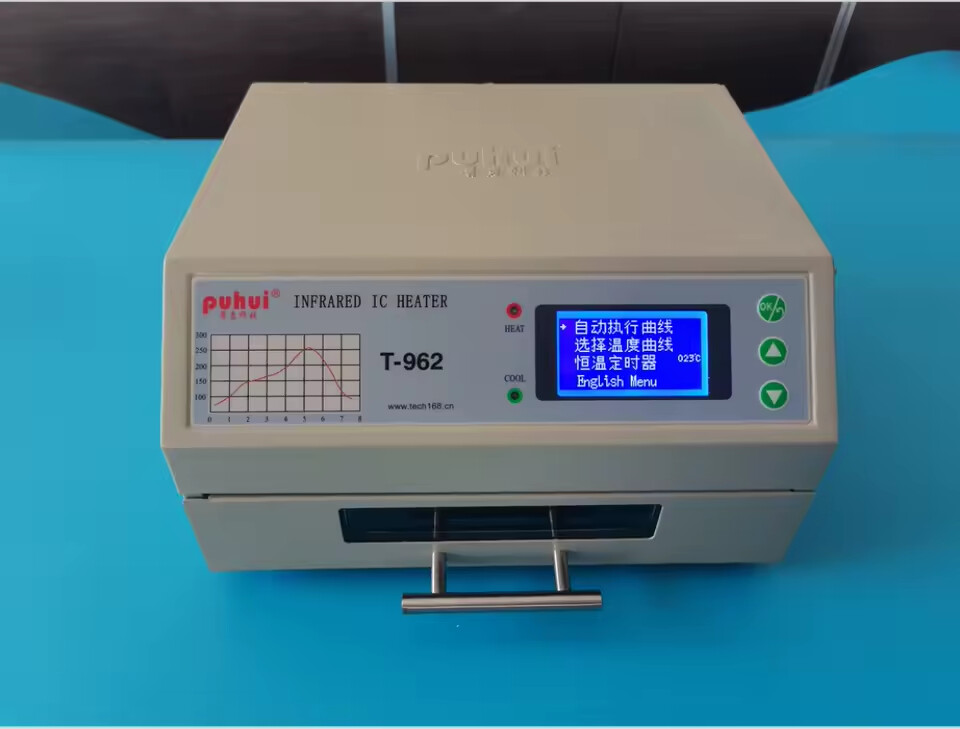
Would say 30s to warm up the machine, 6-7 minutes to roast and 3 minutes to cool down. For regularity you’d want to wait a minute or two between the batches.
I did not do any measurements / estimations on power consumption.
I usually do 2-3 batches of ~110g and different origins. Ideally the roasted beans should rest for 24h and consumed within 2 weeks if not frozen. I find a bit of joy in the activity and quiet like the parfums released early in the roast.
I have another bicycle route that takes me to Zürich Platzspitz via area 4 in Zurich, and occasionally I pick up the smell fine odor of freshly roasted coffee beans while cruising through the area. Many times already have I opened up Google maps to scout the area for nearby roasteries potentially responsible, but can’t quite pin them down.
The closest one is Paradiso Perduto but it is already about half a kilometer away (on Roentgenstrasse) from where I pick up the smell and I first bicycle almost past that roastery without picking up any of that fine perfume.
Clearly a problem I imagine AI will solve real soon now:
Goofy: “I smell freshly roasted coffee beans on a bicycle on Hafnerstrasse approaching the Sihl/Limmat. Taking into account current weather and wind conditions, what roastery is likely to produce this?”
AI: “The closest Starbucks is at Central, about half a kilometer up the river from where you’re currently located.”
Goofy deletes the Chat GPT app …
I’ll have to stop by that suspect roastery some day. The wind direction totally checks out, as we usually have westerly winds, and this would explain the roastery’s location from where I pick up the smell.
I imagine the “smoke” from roasting is hot enough to first rise and not be smellable on street level where they actually roast, but eventually it cools, travels with the wind, and I pick it up a little more east when it trancends down towards the street level.
You need to be able to quickly change the power input over time. An oven has too much inertia in my opinion. It will work but the taste will be meh. You will also have an issue with “chaff”. When you roast the coffee it releases some thin flakes that will go all around your oven. Maybe if you like really dark coffee and drink it with milk and sugar it could still be a viable option. People have done it in a pan as well.
Probably doesn’t have much WAF* compared to the beautiful ROEST machine. But as a fellow electronics enthusiast, I’d probably enjoy making the contraption more than drinking the coffee!
You guys have started me down on a rabbit hole which I’m trying to stop before I spend 1000s on grinders, roasters etc. I anyway asked ChatGPT for advice since I want to make a mug of coffee, not espresso - and with cream - sacrilege, I know:
The best method depends a little on what flavor and texture you like, but since you’re making a large cup of coffee with cream, you’ll want something that produces:
Pros: Clean flavor, easy to make large volumes, balances acidity and body.
Why it works: The moderate strength and clarity let cream blend smoothly without overpowering the flavor.
Tips:
Use a medium grind.
Coffee-to-water ratio ~1:15 (e.g. 20 g coffee → 300 ml water).
If you like it stronger (to stand up to cream), use 1:14.
2. French Press (Cafetière / Plunger)
Best for a rich, heavier-bodied coffee with cream.
Pros: Bold, full-bodied, naturally a bit oily — pairs beautifully with cream.
Why it works: The natural coffee oils make it taste richer and creamier even before adding actual cream.
Tips:
Use coarse grind.
Steep ~4 min, then plunge gently.
Let it rest 30 sec before pouring (reduces sediment).
3. Moka Pot
Produces a strong, espresso-like coffee.
Pros: Intense flavor, good for making café au lait–style drinks.
Cons: A single moka brew is small — you may need to dilute it with hot water to fill a large cup.
Why it works (if adjusted): Add hot water (for an americano) before adding cream, or mix with steamed milk for a moka latte.
4. Aeropress
Great modern option for one big mug.
Pros: Clean but strong brew, customizable.
Why it works: You can adjust the ratio easily for a richer base that balances cream perfectly.
Tips:
Use ~15–17 g coffee to 250 ml water.
Brew for ~2 min, then press gently.
In short:
If you want a large, smooth, flavorful cup for adding cream:
Go with a drip/pour-over for clean and balanced flavor, or
Use a French press for a more robust, creamy result.
So I wanted to validate with you coffee geeks, to see what you would recommend. Bear in mind, I currently make my coffee by putting 2 spoons of Nescafe into a mug
Anything brewed from beans just before drinking it will probably be more enjoyable/tasty than instant coffee, unless you actually enjoy the taste of instant coffee more.
All of the options will work. I prefer a paper filter to be involved in my daily coffee (for health reasons as unfiltered coffee has been shown to rise LDL-cholesterol).
Bonus points of you grind the beans just before brewing.
To me that’s 95% of the optimisation process done.
5% in finding a bean you enjoy more than the others.
Also, I feel like the more stuff you add to your coffee, the less the taste of the coffee changes the end result anyways. If you’re happy with the end result, why go down a rabbit hole unnecessarily.
We have a nice Cimbali coffee machine (fully automatic, grinds before brewing) at work that gets filled with about 2 kg of freshly roasted beans maybe every other month or. The coffee tastes nice the first couple of days. Then the beans oxydize and oxydize … at the latest after a week I would prefer Nescafé anytime over freshly brewed coffee from that Cimbali.
Mit dem Lesen und der Teilnahme an diesem Forum bestätigst du, dass du die Forum-Richtlinien gelesen hast und damit einverstanden bist sowie den Haftungsausschluss auf http://www.mustachianpost.com/de/ akzeptierst.


 1. Drip / Pour-over (e.g. Chemex, V60, automatic drip machine)
 In short:
