Any Stockpickers out there?

Came across this article this morning (it’s from about a year ago). Wasn’t quite sure where to post it. Since a couple of sentences resonated with me as a stock picker, I thought I’d post it here:

Measuring the Moat by Michael J. Mauboussin and Dan Callahan (both of Morgan Stanley).
69 pages plus 7 pages for the appendix.

IMO not suitable for a Chat-GPT 10 points summary because of its depth and breath, but of course everyone can run it through their favorite LLM. Maybe turn to their own conclusion (less than a page) on page 65 if you want a summary.

I personally truly enjoyed reading through the full content which is presented in a clear and concise manner, without academic lingo and with a ton of data distilled into succinct sentences and graphs.

Excerpts I liked (not my summary of the paper, really only just what I enjoyed myself):


Industries that create value in the aggregate nonetheless have companies that have neutral and negative spreads [Goofy: spreads between positive and negative numbers for ROIC[1] minus WACC[1]]. And industries that destroy value in the aggregate still have companies that create value. This analysis tells us that industry alone does not seal a company’s fate for value creation.
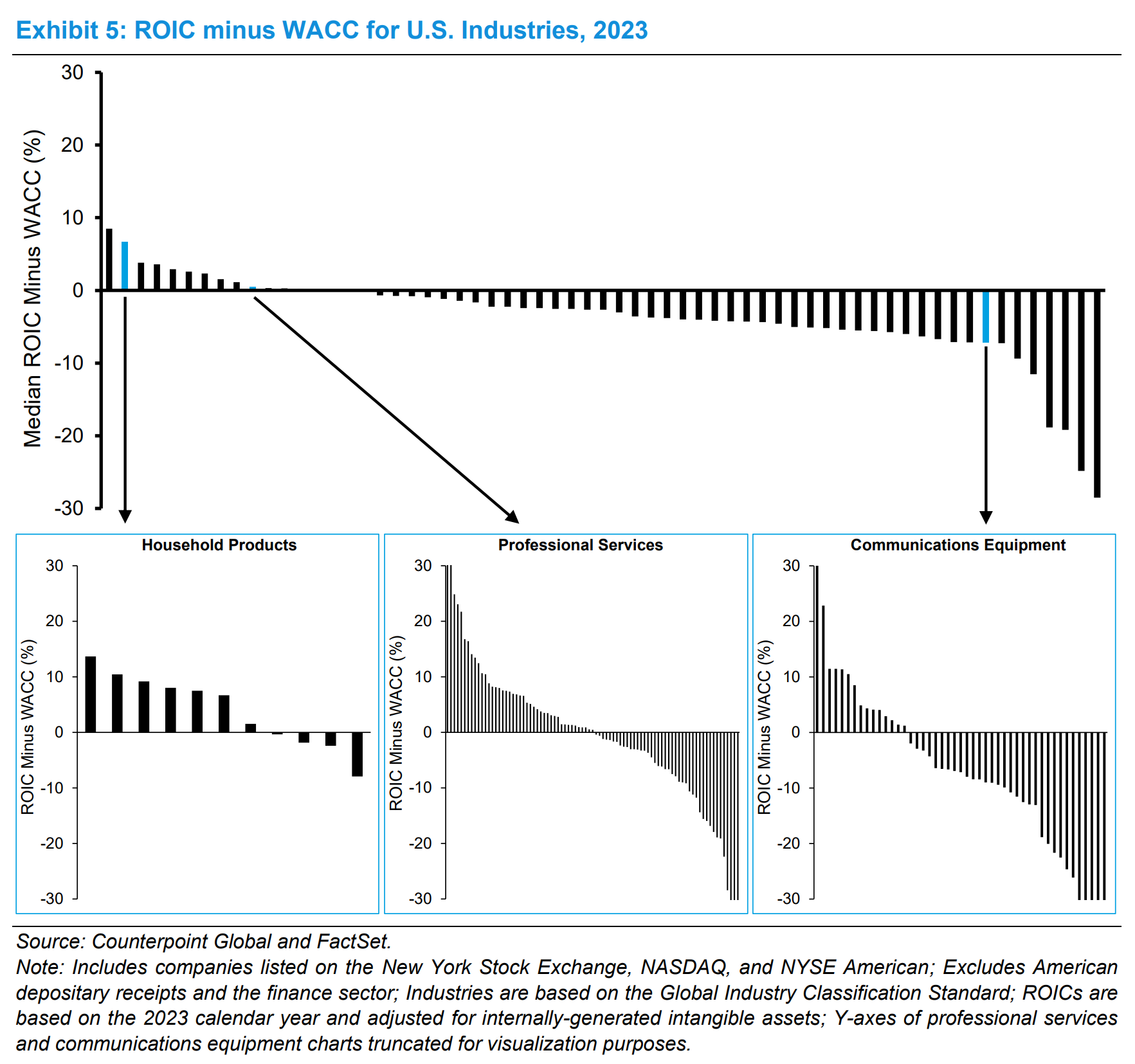
The longer I’ve been playing this game the more I’m convinced that sector or industry diversification (across my stock picked portfolio) does not matter nearly as much as (carefully selected) company diversification.
I’m not ignoring sectors (or industries) completely, but I pay less attention to it and don’t use it as a hard and fast rule for selecting or discriminating companies.
The analysis presented above puts some data behind my hunch.[2]


Peter Lynch, who delivered outstanding portfolio returns while running the Magellan Fund at Fidelity Investments, famously quipped, “When somebody says, ‘Any idiot could run this joint,’ that’s a plus as far as I’m concerned, because sooner or later any idiot probably is going to be running it.”

No comment from Goofy other than stating that this is usually attributed to Buffett but it seems to be Lynch who coined it.


Industry drilldown for the aviation industry:

A majority of the invested capital is in airlines and airports, both of which have negative economic profit. Some businesses, including fuel production and freight forwarders, do have positive economic profit, but their invested capital is relatively small. In the aggregate, the
economic profit for this collection of businesses was negative $69 billion in 2022.


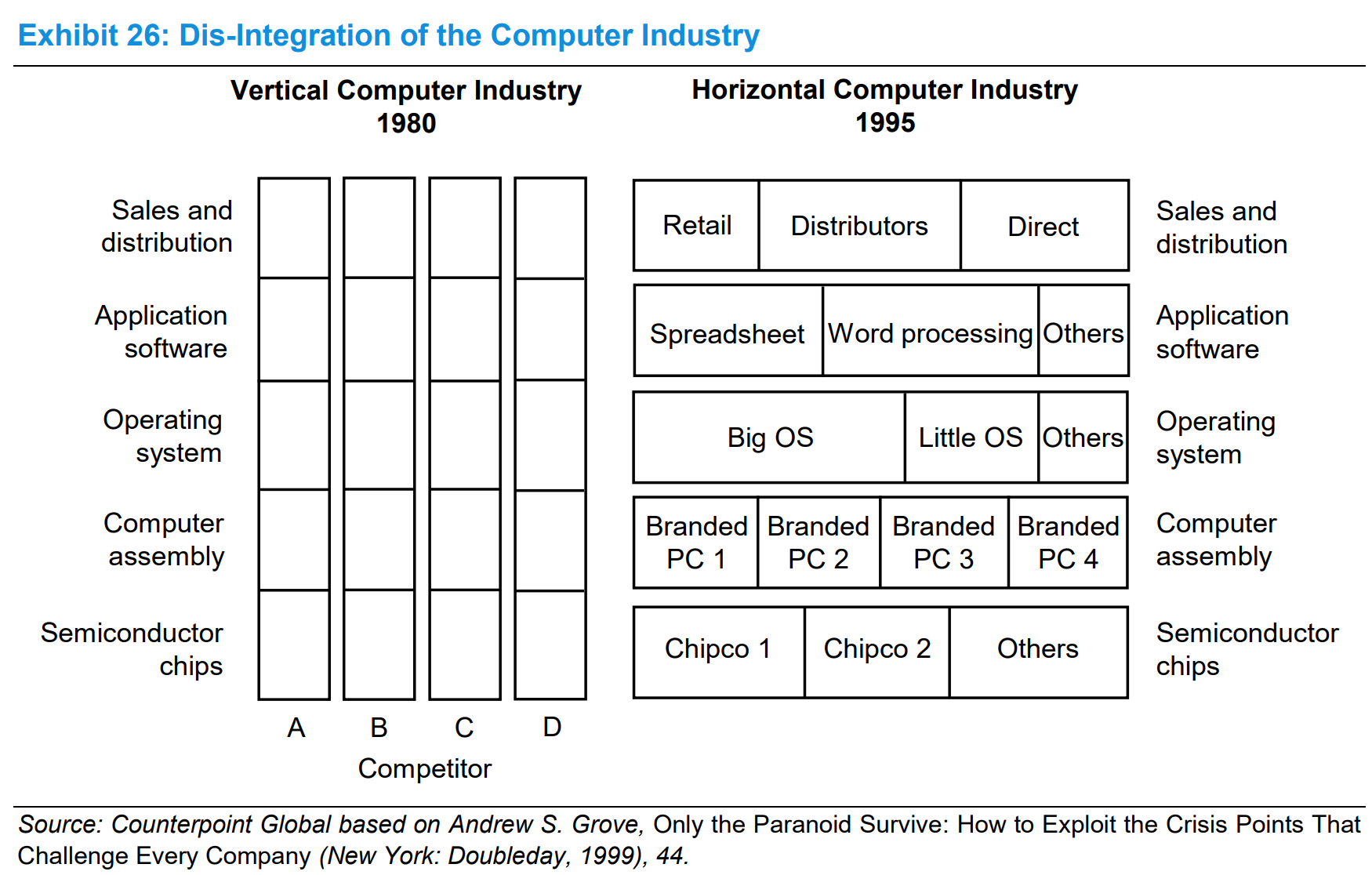
Vertical integration can be a substantial advantage as industries or products start out because coordination costs are high. Companies have to control all aspects of the supply chain so that the product will literally work. Exhibit 26 shows the evolution of the computer industry. In the early 1980s, the largest computer companies were vertically integrated because the engineers at the firms had to make sure their complex products did what they were supposed to do.

As an industry grows and matures, various components within the supply chain become modules, a standardized or independent part of a more complex product. The process of modularization allows an industry to flip from vertical to horizontal. So instead of each company doing each step within the value chain, new companies pop up to specialize in specific activities. This occurred in the computer industry by the mid-1990s. Modularization is a difficult engineering task, but it creates standardization and lower costs when done successfully.

We have discussed switching costs as part of the assessment of supplier power, buyer power, and barriers to entry. Switching costs arise because a good or service creates customer lock-in, or dependence on a supplier.
Exhibit 31 shows various types of lock-in and the switching costs associated with each.

Earlier we defined switching costs as what buyers or users have to endure to move from one supplier to another. But that is incomplete. The total switching cost is the sum of the cost to the customer and to the new supplier.
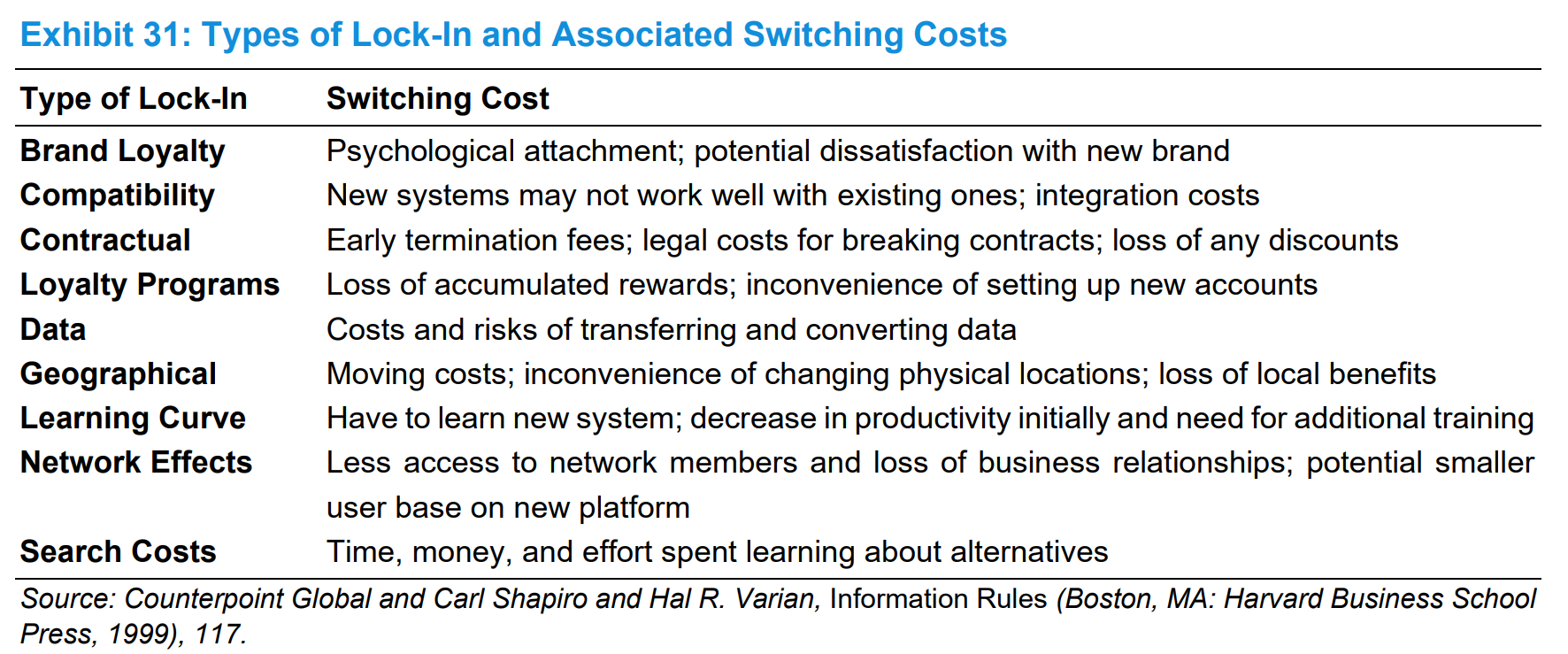

Exhibit 34 shows pairs of companies with equal ROICs in 2023 but different sources of competitive advantage.
The main message is companies can achieve the same level of ROIC using vastly different approaches.
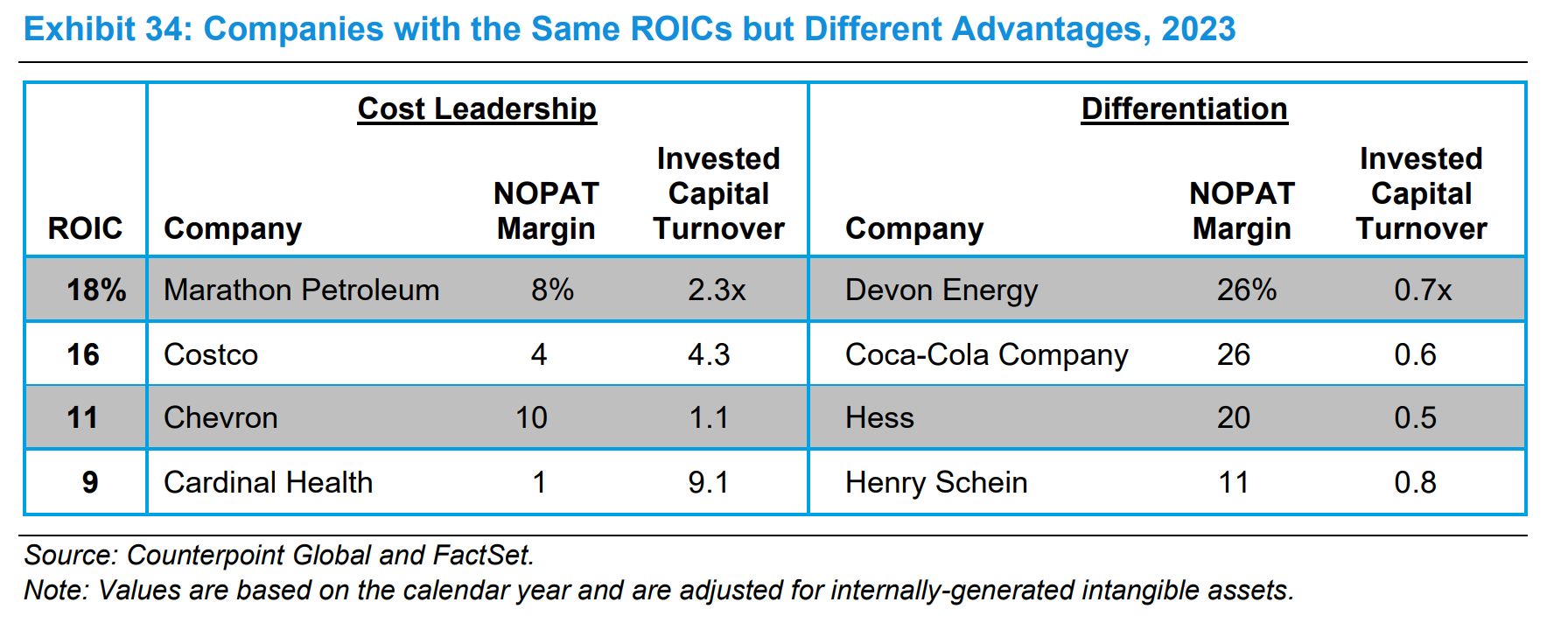
(Goofy: invested capital turnover equals sales/invested capital).


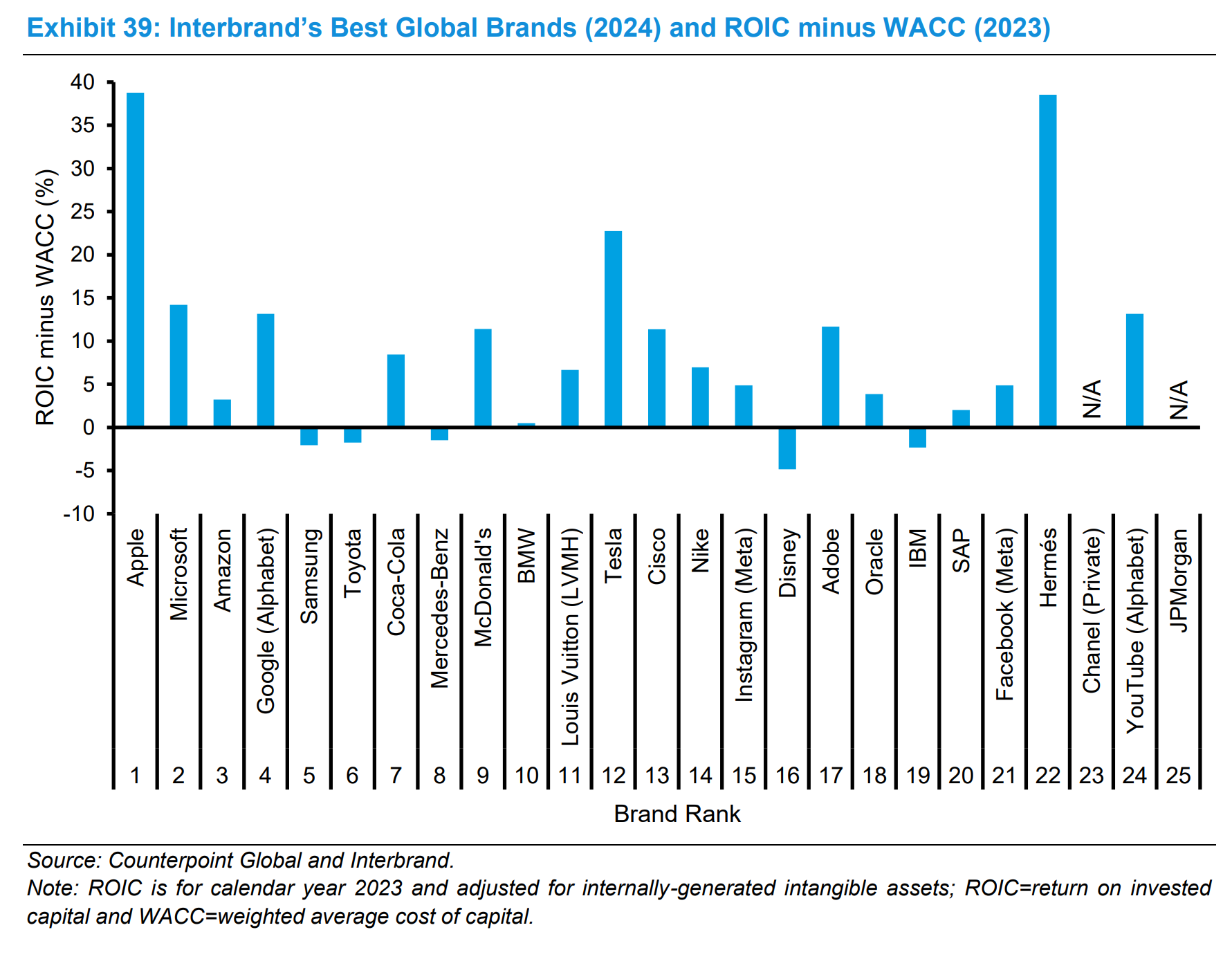
Exhibit 39 shows Interbrand’s best 25 global brands in 2024 and the ROIC, adjusted for intangible investment, for each company in 2023. The correlation between brand ranking and ROIC is weak. The sign of competitive advantage is an attractive ROIC, and the companies that own these brands do not reliably indicate that.

Hope you’ve enjoyed this quick’n’dirty Saturday Night Fever update!


1   ROIC is defined as net operating profit after taxes (NOPAT) divided by invested capital.
WACC: weighted average cost of capital.

2   I’m also fairly convinced that the sector and industry classification (by GICS) is fairly … inaccurate is probably the polite word?
E.g. Google is classified as a Communication Services company. Goofy’s former insider view: this company is mostly Tech
Amazon is classified as a Consumer Cyclical … I’d label it as a mix between Consumer Staple and Tech.

2 Likes

Nevertheless, congrats![one Nitpick, though …]


Nitpick   To be fair wouldn’t you need to annotate how these returns were calculated, i.e. XIRR (aka essentially the money weighted return[MWR]) vs the time weighted return[TWR] vs just the total return of indices, which are again more like a TWR)?

I say this since having worked in the business of asset management I have first hand observed portfolio managers disclosing their return after having picked their “best resulting” return calculation method without disclosing which one they chose … kind of like stating your car does x mpg vs y mpg while leaving out whether you did the driving in zone 80 km/h at 2 AM and only went to the gas station when gas was cheap (and even selling some while gas was expensive) versus having to drive on the highway at rush hour in stop and go between 0 and 130 km/h and going to the gas station when other cars honked loudly and every now and then even spilling gasoline into the sewer when other cars honked even more frantically. :wink:

Probably not a huge difference in your case anyway, but I wanted to point it out anyway.

MWR   Money Weighted Rate of Return. TL;DR: heavily influenced by the size and timing of the investor’s cash flows.

TWR   Time Wighted Rate of Return. TL;DR: Excludes the impact of deposits and withdrawals.

2 Likes

This was deliberate. They were all ‘Tech’ and then they realised that everything was tech, so they move Amazon, Google, FB, etc. (can’t remember which ones) to different categories to ‘balance’ them out. In my own analysis, i have my own categories.

2 Likes

I use the XIRR function of google calc sheets. I guess therefor it is money weighted rate of return.

Totally agreed.

All I am saying it you’re actively trying to balance sectors/industries using the GICS you’re basically following someone else’s value system – which (IMHO) is somewhat detached from reality.

Anyhow, wasn’t I the one preaching not to pay attention to sectors/industries? :laughing:

Someone please show me out of this zoo …

:+1:

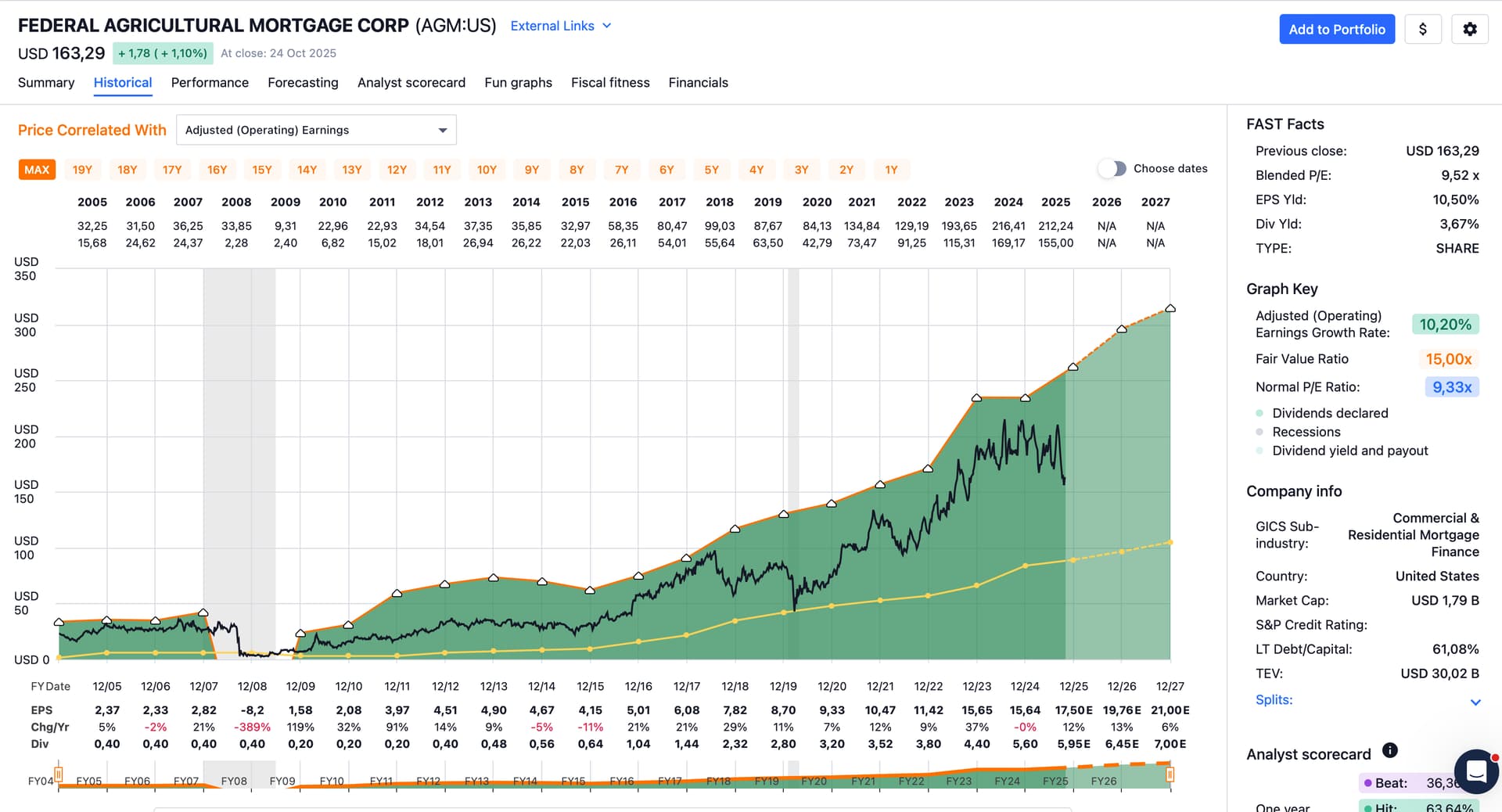
Added Farmer Mac to the mix of potential buys for the upcoming week.

If you’re interested in a more detailed FASTgraphs analysis, see this YouTube video (in German).

image

Looks like the market likes the Q3 earnings announced today ($KDP is up 6 or 7%). I’ll continue adding to this position, but maybe not today.

Also, surely it was my purchase last week that made them raise their 2025 full year sales outlook. :wink:

Or that perhaps? :blush:

From the FT:

Apollo and KKR inject $7bn into Keurig Dr Pepper

1 Like

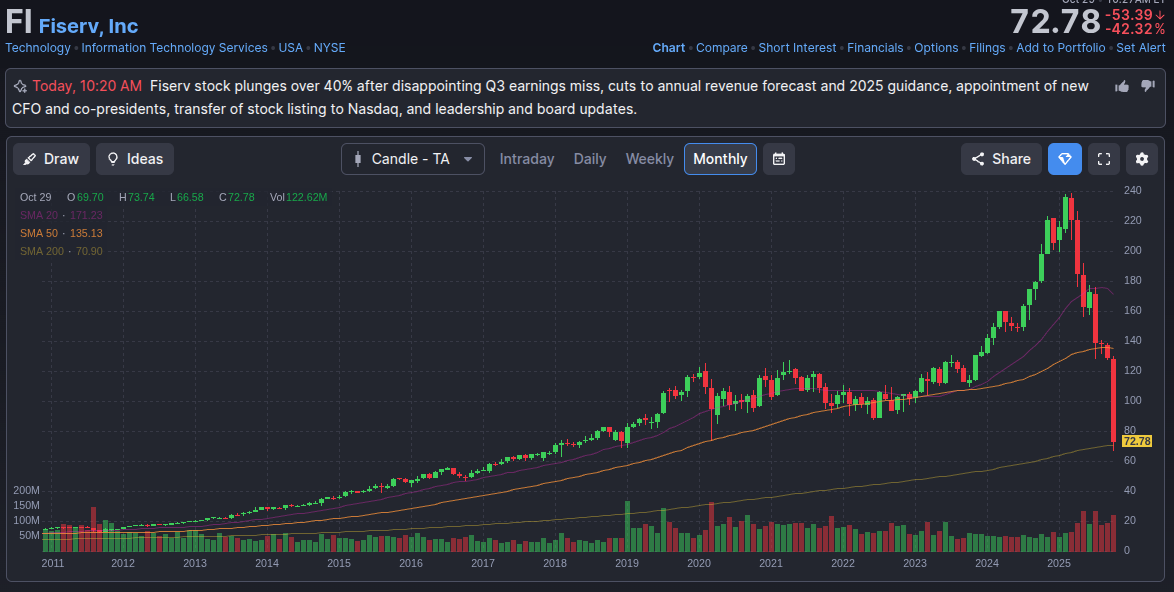
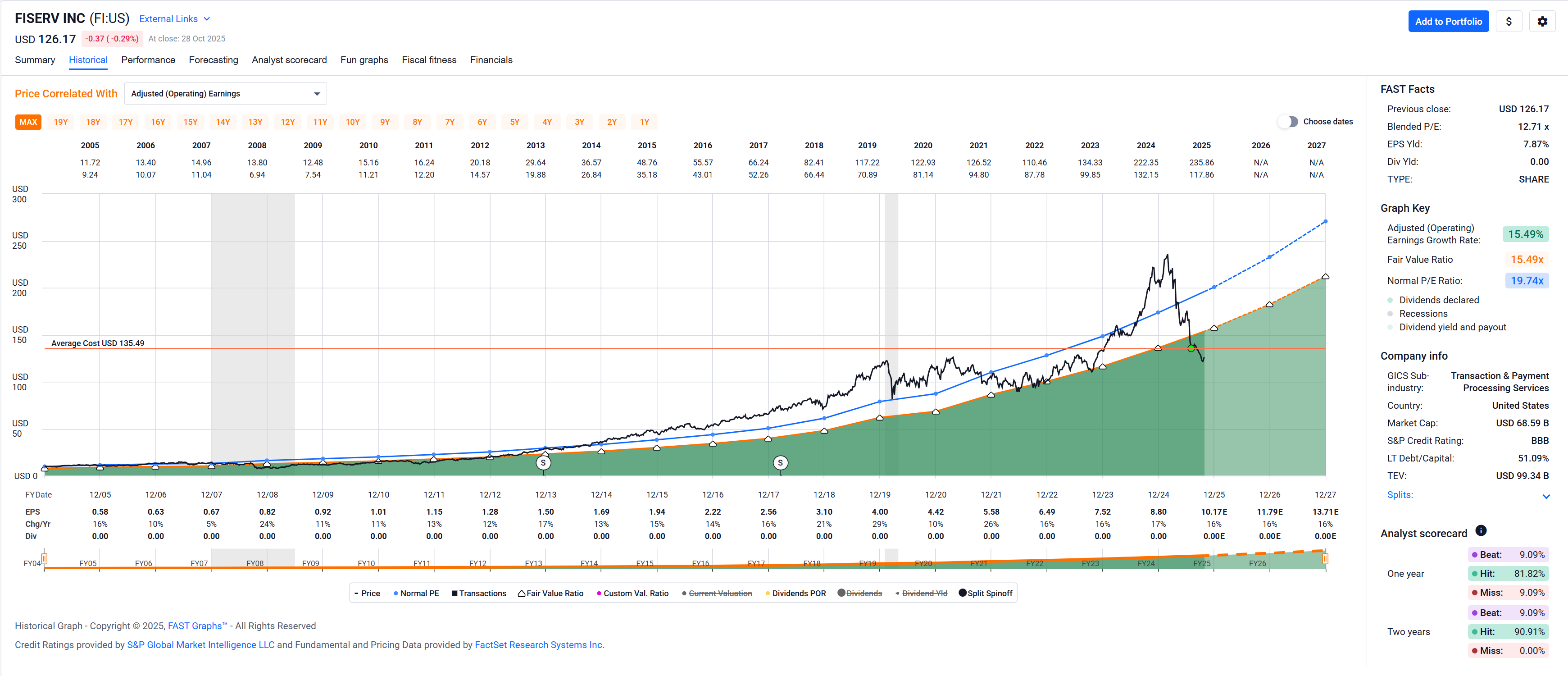
Fiserv drops by over 40% :open_mouth:

I can explain this partially: I bought it into my son’s portfolio recently …

I actually do find it attractive at current prices, alas, it pays no dividend hence not for me.
I might add to my son’s position, though.

I don’t know anything about the company but bought just on a pure short term price action trade.

2 Likes

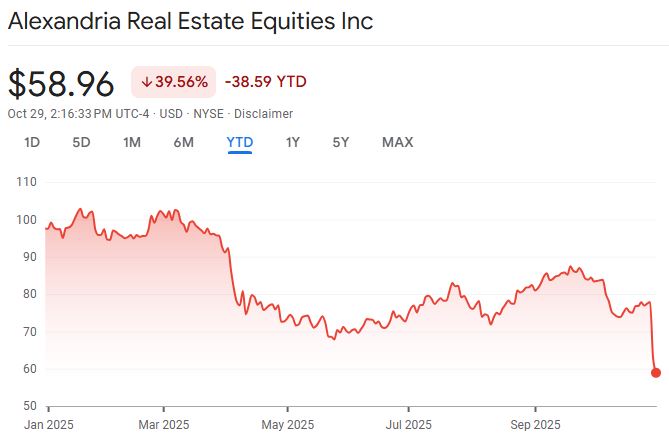
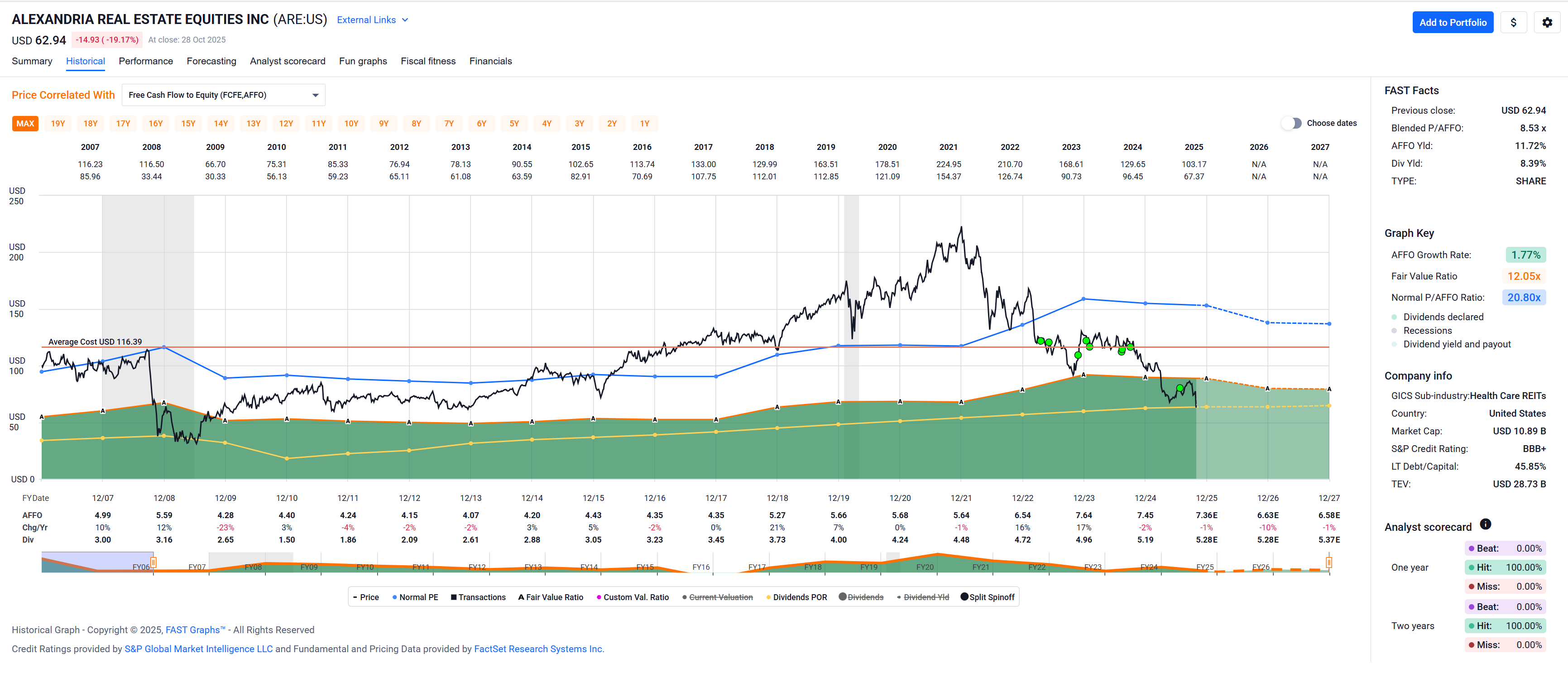
Speaking of drops of 40% or so, are there any other bag-holders here of ARE, a REIT. I believe it was a topic i.e. a stockpicker’s stockpick™ here before.
I bought it for a bit of RE exposure, lower volatility, stable dividend-based return that kind of thing :sweat_smile: seems it hasn’t worked out (yet) :grimacing:

6 Likes

I’m part of that journey as well. I still see the benefits of owning laboratory REIT’s as there is no way that can be done from homeoffice. Besides that ARE seemed undervalued, however Mr. Market thinks differently than I do. I have bought in several times my average is almost at 100$ :cry:. Not sure why but I keep it as fundamentally nothing has changed for me. But it hurts for sure even more as I always excluded Tech shares (except my main investment in VT) because of the crazy valuations.
3 Likes

<BA (Bagholders Anonymous)>

I’m an ARE bagholder as well. I’m in it for the income, though, less so for the stock price. Easily beating @conquestador, though (for overpaying), my average purchasing price is above $116.

I’m a little worried as they were iffy about strongly committing to the dividend on their earnings call, but I’ll stay on (not a recommendation). In the larger picture I’ve arrived at living with a couple of companies cutting their dividend each year, which is why I size my stock picks with a limit (regarding the dividends they contribute to my portfolio).

Overall, I feel their business model still seems fine, and we’ll see whether they can weather the current headwinds.

Famous last words … :wink:

Edit: I was tempted both y’day and today to sell Puts on this holding, but, alas, my (dividend) position for ARE is already almost full, and another 100 shares would have exceeded my current limit of a total of 2% of dividend income (unless a company arrives at more than 2% organically, currently only a handful).

1 Like

Generally REIT’s should benefit from the lower rates from the FED, so hopefully that plays out as one other relatively big position is MPW that is doing okayish, but could be better.

1 Like

Yup. I am nursing losses on this one too!

1 Like

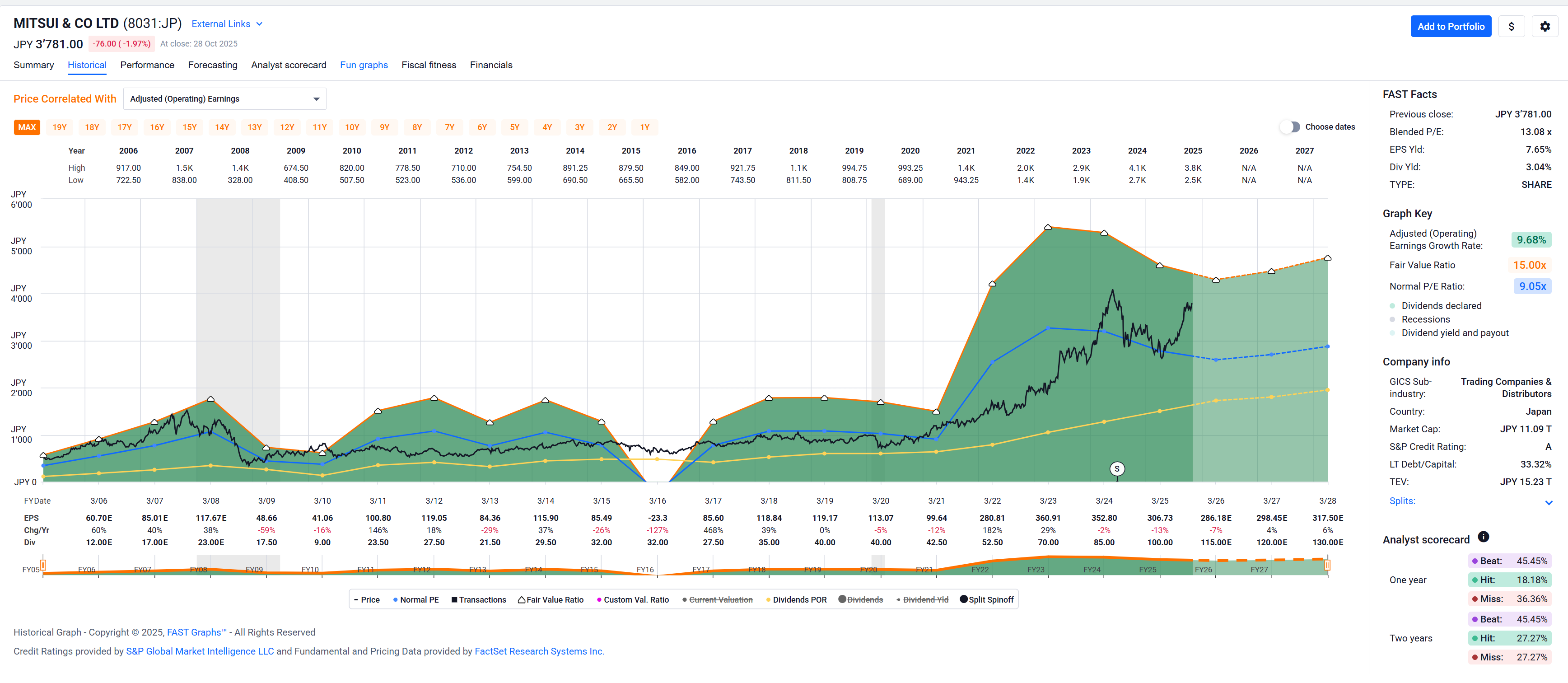
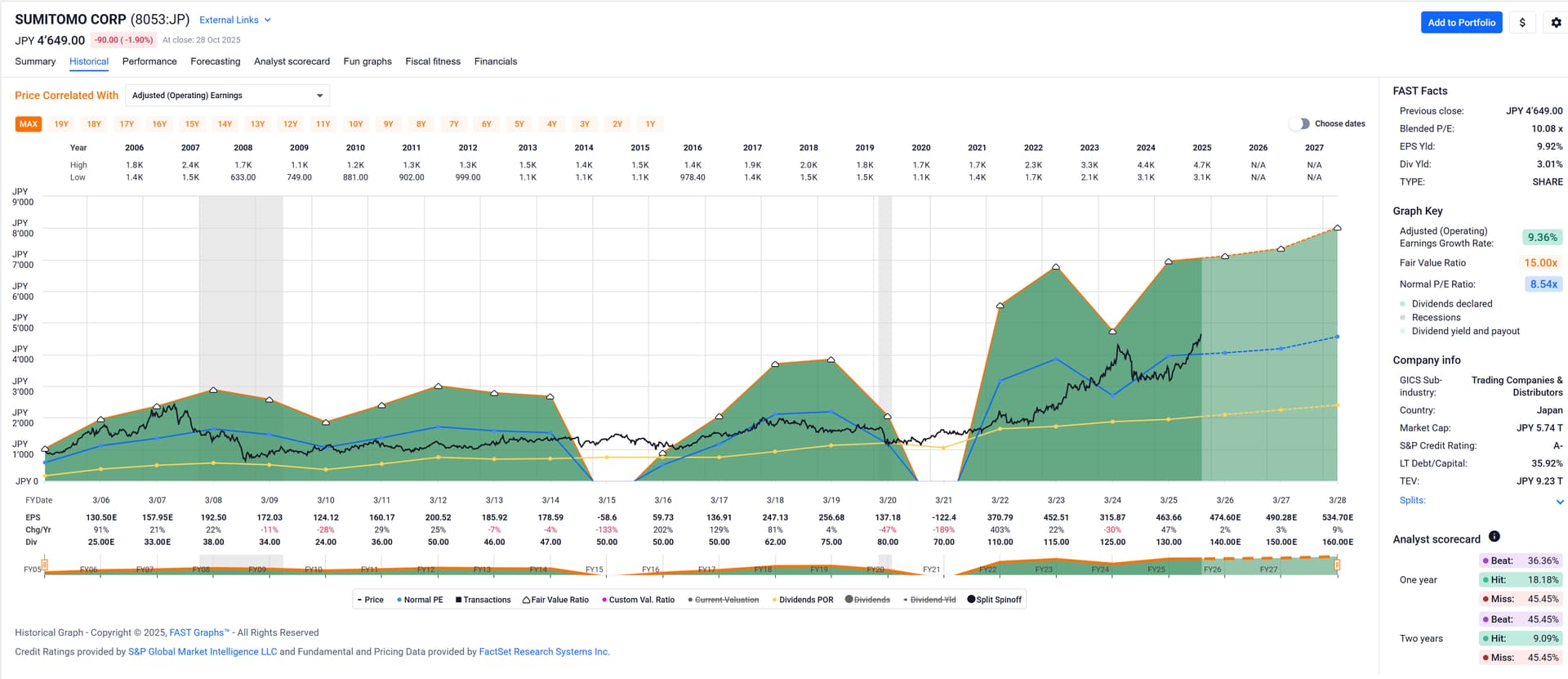
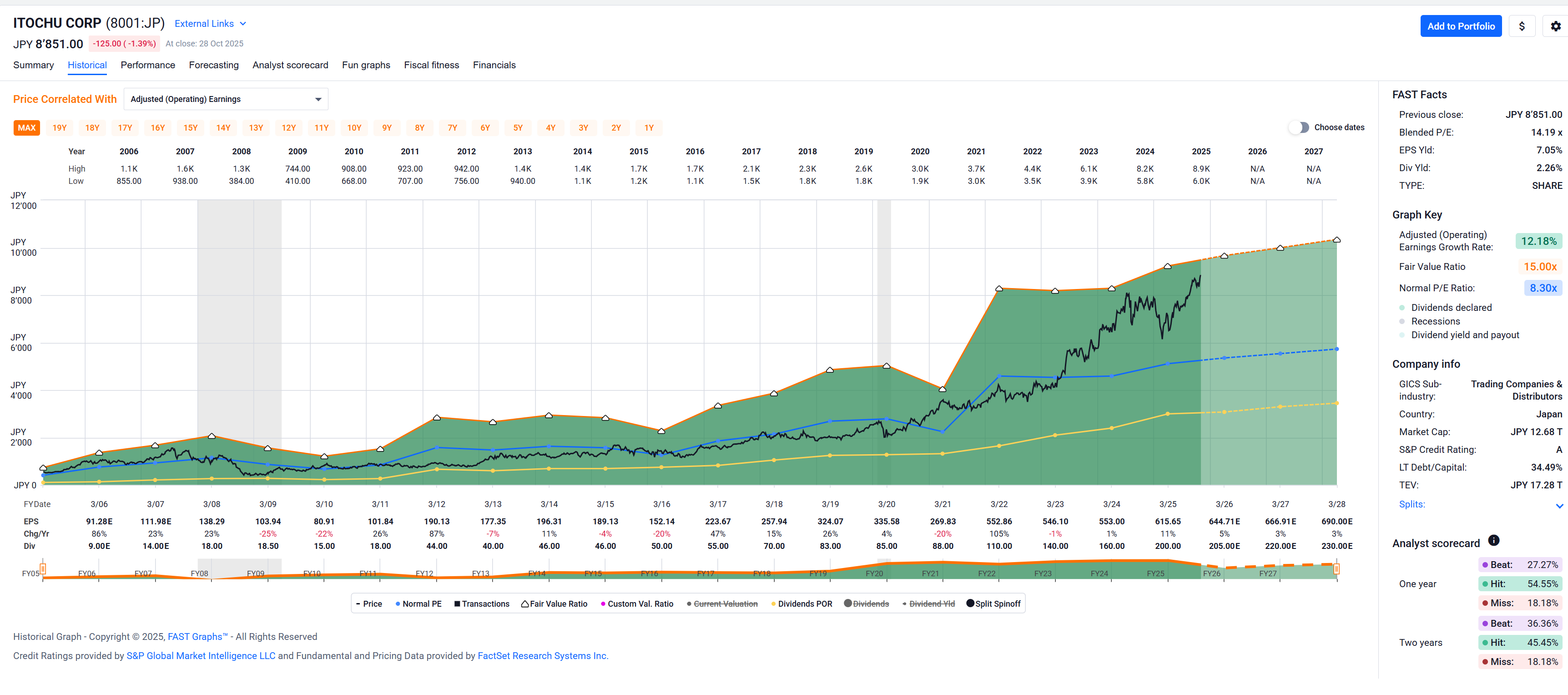
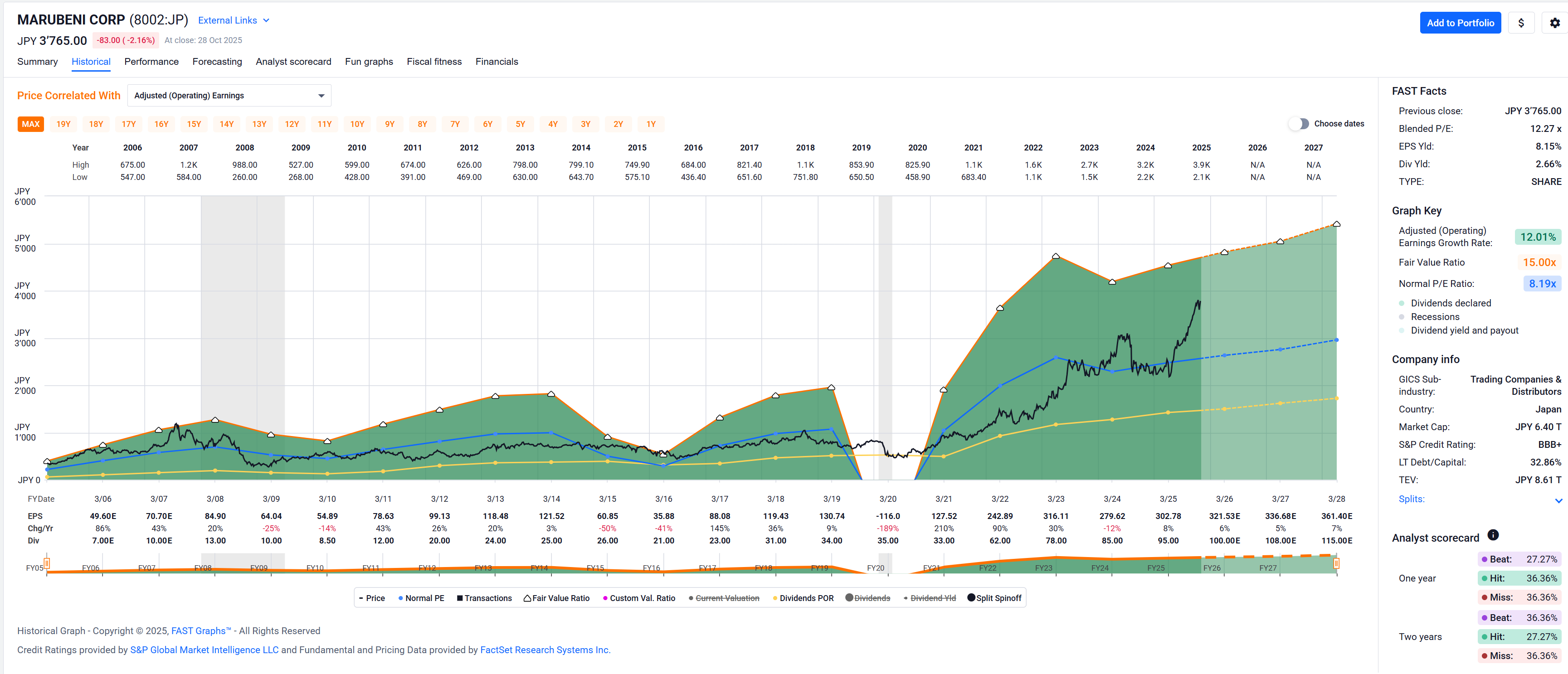
I sad that I do not want to have additional positions as I feel that I have already to many to effectively manage them. However I had a great discussion with a Japanese friend who was advertising his trading house companies (Itochu Corporation ticker: 8001, Marubeni Corporation ticker: 8002, Mitsui & Co., Ltd. Ticker 8031, Sumitomo Corporation ticker 8053 and Mitsubishi Corporation ticker 8058) @Your_Full_Name would goofy be able to run these companies through Fastgraphs for me?

Anytime!

This one’s been on my watchlist forever. Chicken Little Goofy was always afraid to pull the trigger.
For no real reason, I might add.

Under my radar, but looks interesting.

Hm, yes, interesting, too.

Ditto.

TBH I like all of them. Maybe Mitsubishi is a little over its skis, but the rest look juicy despite their recent run-up.

Does anyone know how taxes (on dividends) are treated (in practice) for individual holding of Japanese companies for Swiss tax residents?

3 Likes

Your services are better than anything that I could wish for :heart_eyes: .
I asked the question to my friend, who is Japanese but swiss tax resident and according to him (backed up by Chatgpt) there is a tax treat between JP and CH hence the dividend situation is the same as for US-CH.

Seems that I need to add more positions to my portfolio (darn)

1 Like

Probably nice buy opportunity of META.

Disclaimer: just bought another couple of shares after-market at USD 687.