Wow. It looks like delaying even 1 day was too slow:
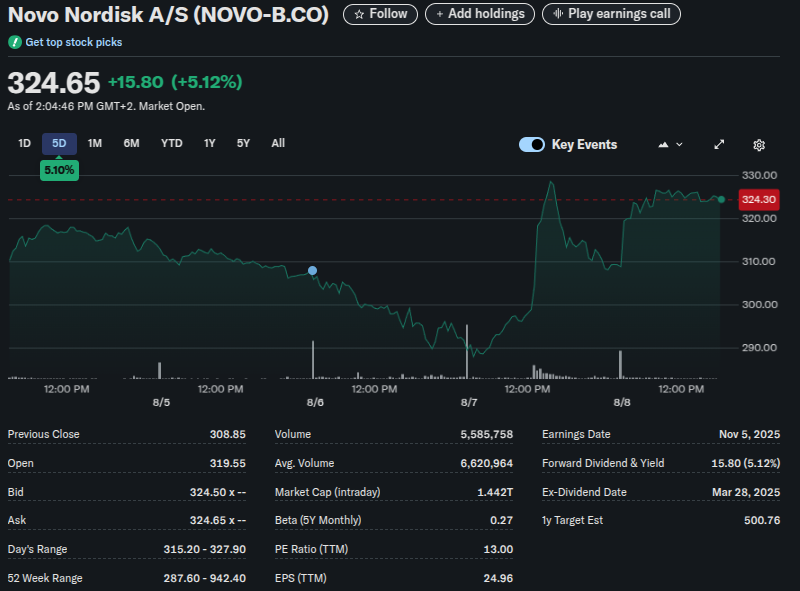

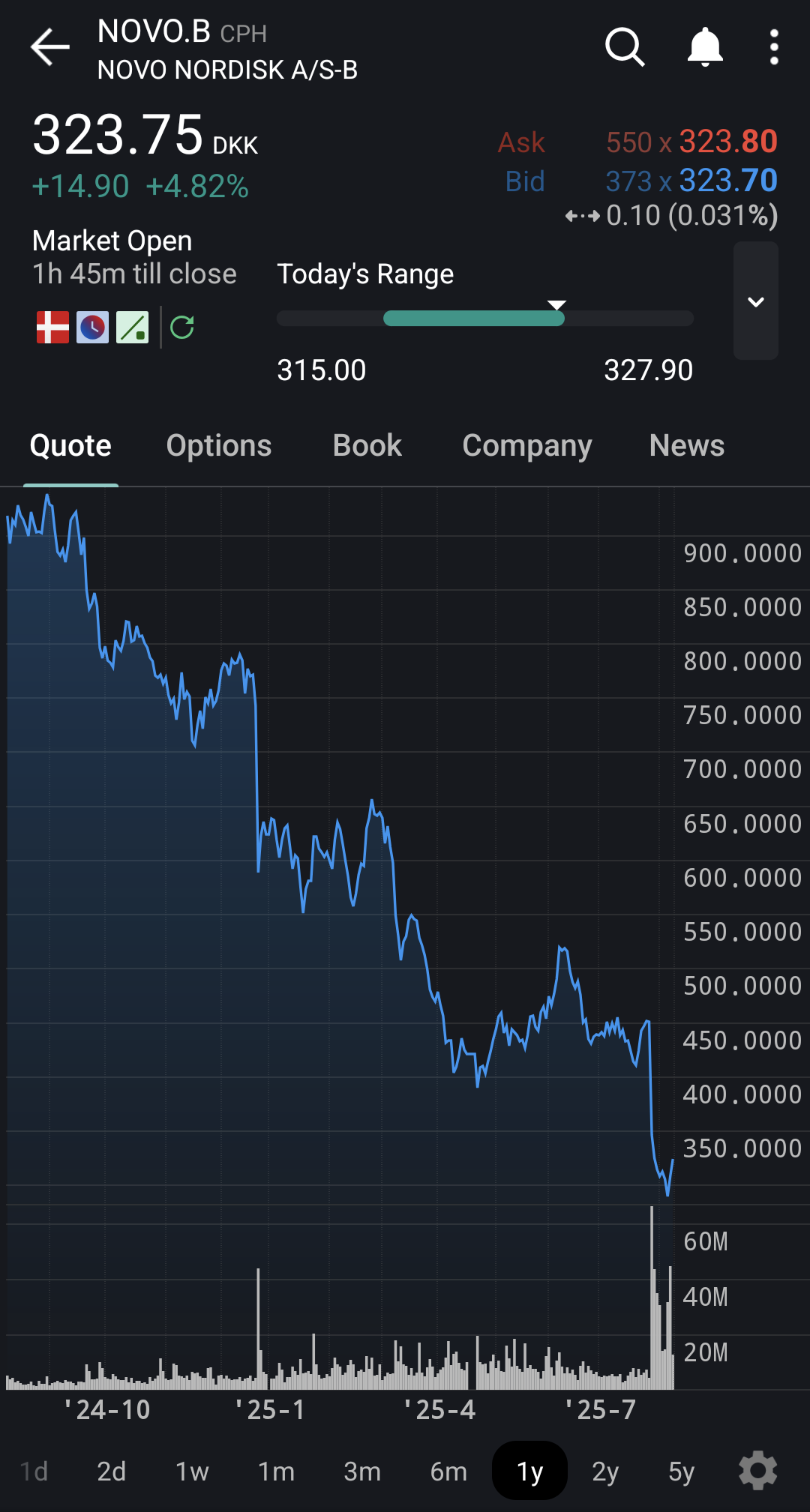
In other news: my portfolio is back >+4% YTD.
You should watch out, every time it has done that, the stock markets crashed soon afterwards…
You should create a financial instrument for this.
May I suggest SPMG as the ticker (Short PhilMonGoose)?
1 Like
Maybe SHTF - Selling Has Taken Forever?
3 Likes
Can we combine it in some way with SC (Short Cortana) ?
2 Likes
I think this the material for structured products which will allow us to extract much higher fees create more value for everyone involved.
NVidia.
It’s still not for me (as I want that cash flow now), but I really enjoyed the FASTgraphs reading out loud analysis of NVidia on YouTube by Colton Carnevale.
Is this Chuck’s son? Chuck’s more fun to watch, I feel!
Now nVidia FOMO…felt it so many times since buying at $200 and selling at $400, now I tell myself I already got my tech bet in TQQQ. Told myself tens of time already 
I bought, sold and even shorted it
2 Likes
You heard of the TACO trade, well, today was the PMACO trade.
I sold: MDT, VTRS, AMD, SPPP.
1 Like
Wait, what?
A seller needs a buyer, I added twice in July and once in August to my VTRS position. Nice run since the numbers, closing the gap:
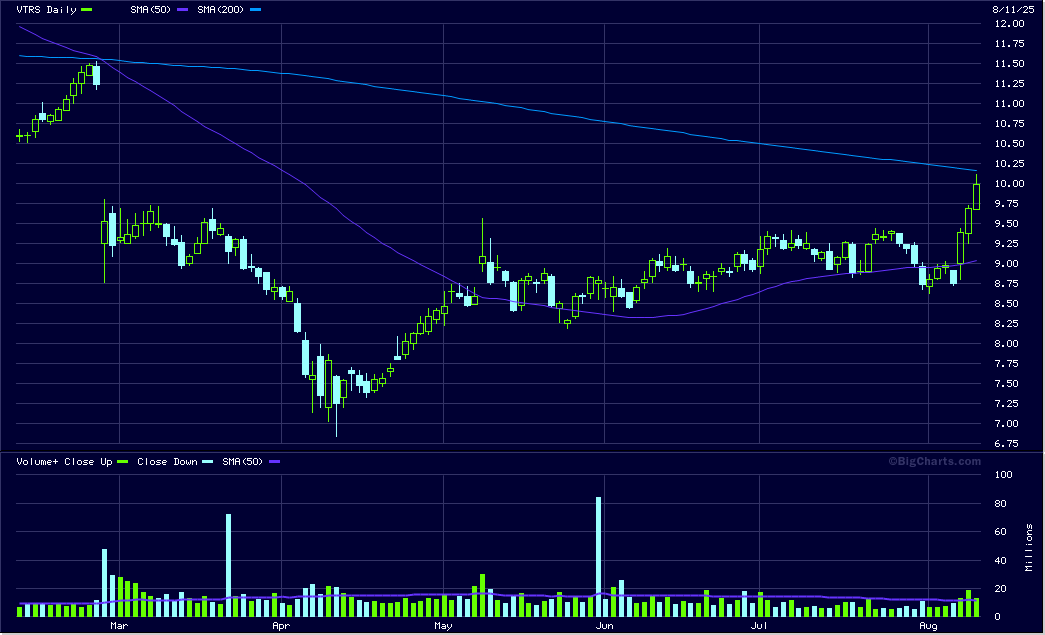
Nice run
1 Like
Yeah. The numbers for VTRS still look great. I can understand why a momentum buyer would also purchase.
1 Like
Actually it is in my dividend strategy, not in the momentum one. The last rest of Pfizer from the old days that remains there…
I forgot to say, I decided to gamble on some speculative areas: silver miners and junior gold miners via ETFs: SIL, GDXJ.
I am an absolute dummy in physics, but I had to think a lot about this. Why can there be so many different momentum strategies with stocks if the formula for momentum is that easy and clear?
Because some parts of the formula are probably not that clear. What exactly is velocity?
The dictionary says “The speed of something in a given direction”. OK, now we have speed and direction. Direction is clear, there are only two possibilities and zero: up or down. We want that thing to go up. But what the hell is speed?
Again the dictionary helps, but opens more questions: “The ratio of the distance traveled by an object (regardless of its direction) to the time required to travel that distance.”
We have two unknowns more, distance and time. I know of momentum strategies that want those two variables being “gentle”, like easy, not too much volatility. I think Clenov describes something like that in his second book about stock momentum strategies.
But what about time? In any given moment in time the distance traveled is exactly zero. We need time to measure speed. What time?
So now we have a base for my “endless possibilities to calculate momentum”. Distance and time.
1 Like
Went nice, so far.
Not sure as well, if I should sell PLTR, huge gains within three weeks. Maybe buying an MSCI World with that money, why not.
Edit: what do you guys think about commodity futures in an ETF, as e.g. CTA? Nice beta.
Intro
Narrator: “Just one sentence by @cubanpete_the_swiss, but a swath of paragraphs and footnotes by Goofy … Read on at your own peril waste of time.”
Goofy: “I’m a non-momentum Physicist investor theorizing about financial momentum considerations, so probably best to ignore my comments.”
Reply
I think I have to apologize. I was just being a smartass flexing with a simple physics formula.[α]
Momentum in physics is easy to define – and that’s really just it, you define it (mainly so you can do further calculations and definitions and state laws of physics by using fewer terms – as it depends on two fundamental physical properties alone, mass and velocity.[Ω]
Then, maybe more on the language side of things, the term “momentum” has its variants of interpretations, even different in different languages … In German, “momentum” – Impuls – is fairly restricted to phyics, and if not in physics, it’s maybe best translated as “Schwung” (closer to the English momentum), but Impuls can also be something that someone spontanously has the urge to do, based on some intuition or sudden insight.
In English, the term momentum is more closely defined – language wise speaking – although I am not a native speaker. I believe it’s more closely aligned with the original physics definition of it: something is big and has velocity, and it willl have impact the larger its momentum should it hit something (like a ceiling price level).
With financial instruments, I believe you can – and probably should – use any number (aka not just two) of properties of the underlying (and the surrounding objects, aka the market) to define momentum – maybe not any number, but certainly as many as seem suitable or interesting – that it seems to me infeasible to define a momentum in stock price.
Actually, let me backpedal: infeasible to define one universally valid stock price momentum formula. You may define one for yourself and your strategy in your portfolio, and it might work just fine for you. For many years even.
But if everyone knew of this formula that has worked so well for you while you kept it to yourself and they would now start applying your momentum strategy to their portfolios … some would replicate your strategy and it would be successful for them for a while, too, but eventually the reflexivity of that setup would become so extreme that fundamentals would kick in and even the most optimistic hyperbole would collapse.
E.g. a company with initial positive momentum but eventually without any free cash flow running out of money (perhaps running on empty even for many many years), then price would eventually follow, too …
Anywho, I’m a non-momentum Physicist investor theorizing about financial momentum considerations, so probably best to ignore my comments.
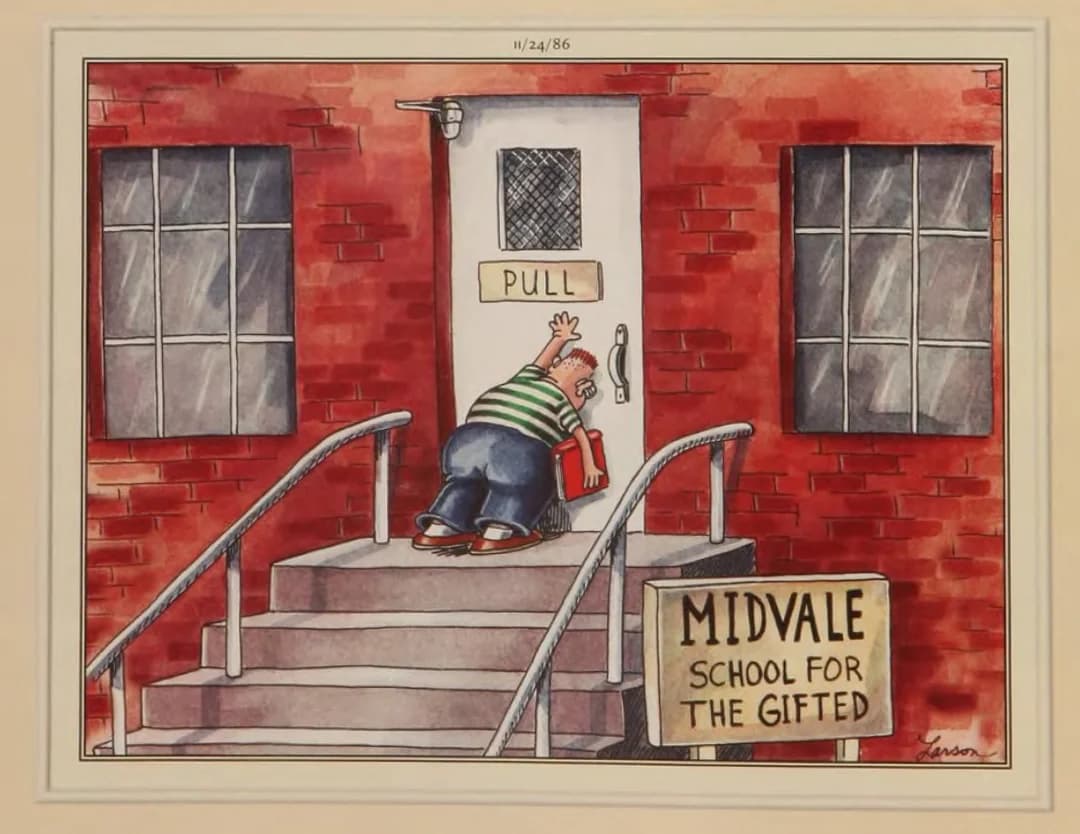
α While Goofy actually has a Physics degree see Goofy entering that middle school on the first day of the school year:
Ω Yes, there’s angular momentum, too, for completeness, but same line of thought: momentum is conserved, a fundamental law of physics and a direct consequence of Newton’s Third Law of Motion.
2 Likes
If the correlation to stocks is that low as they claim, you could make Shannon’s demon work a bit.
Shannon’s demon says something like if you re-balance two non correlating investments regularly you can make money even if each of those investments lose money.
2 Likes