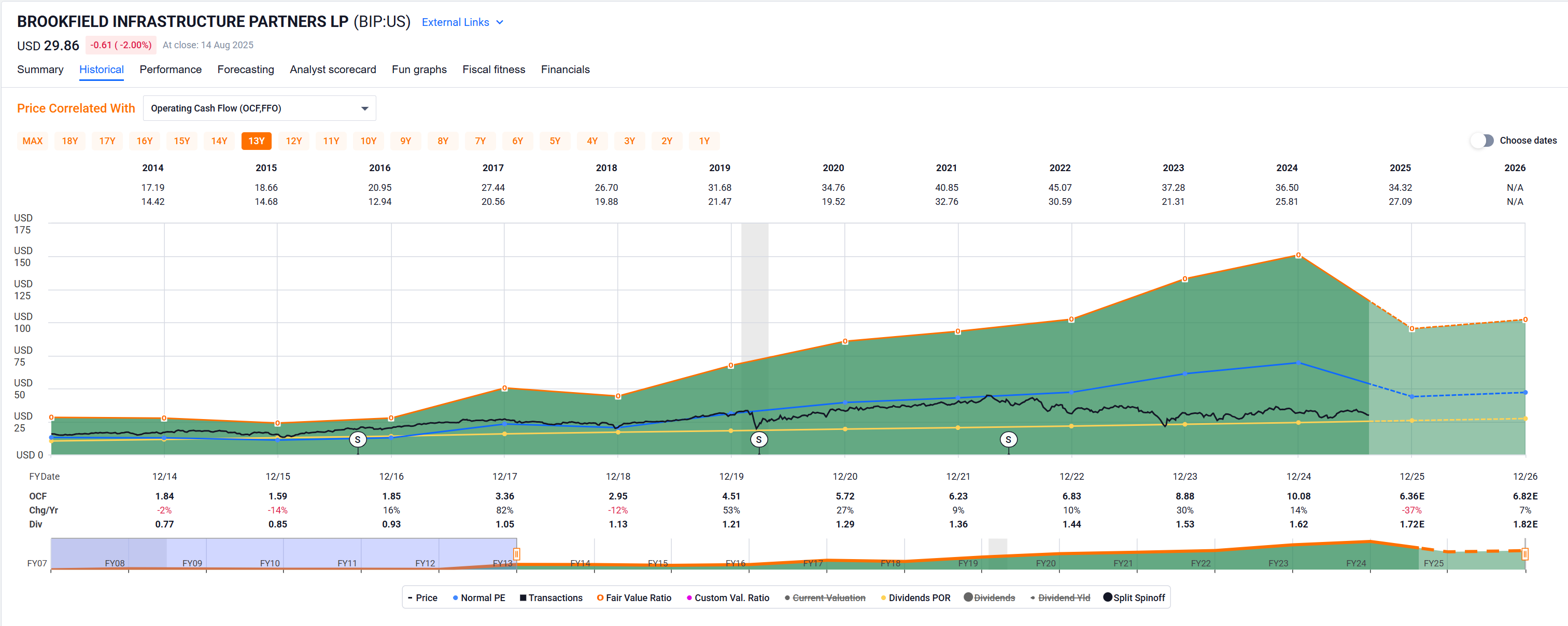
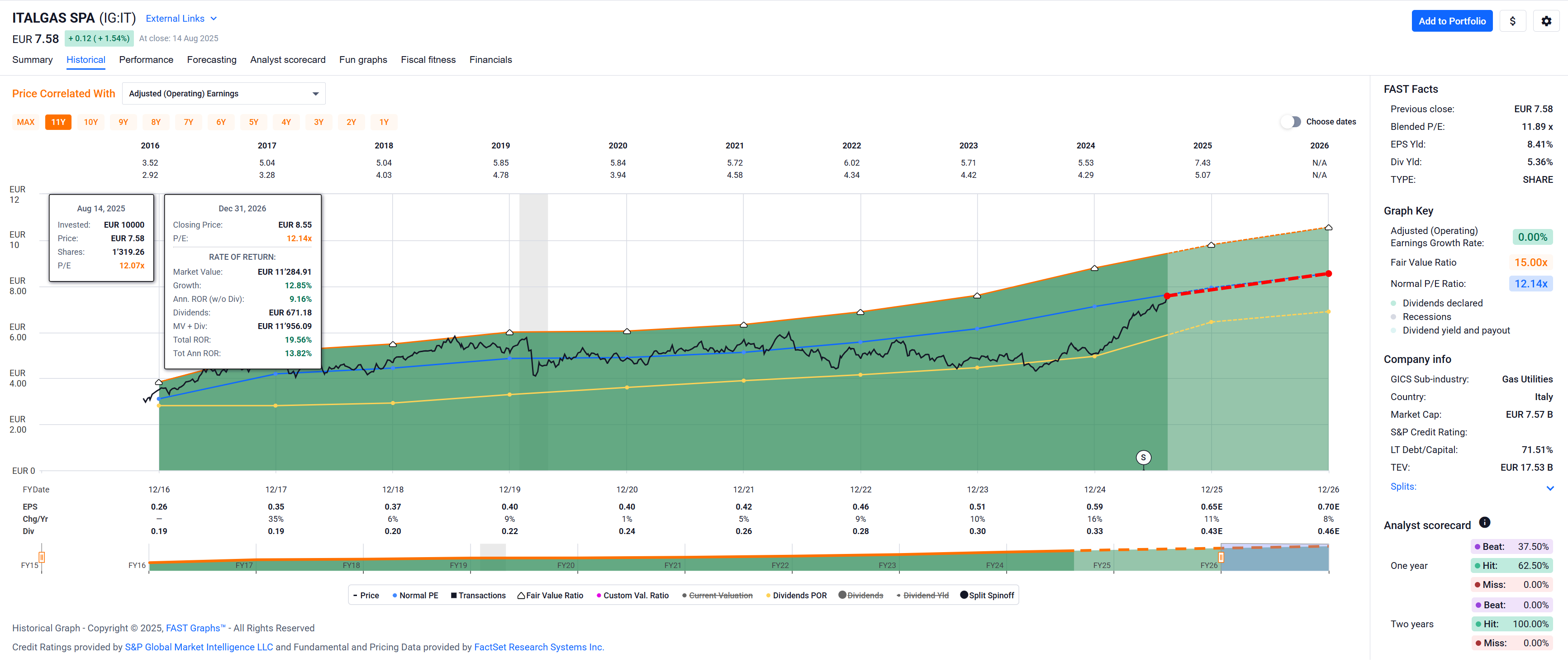
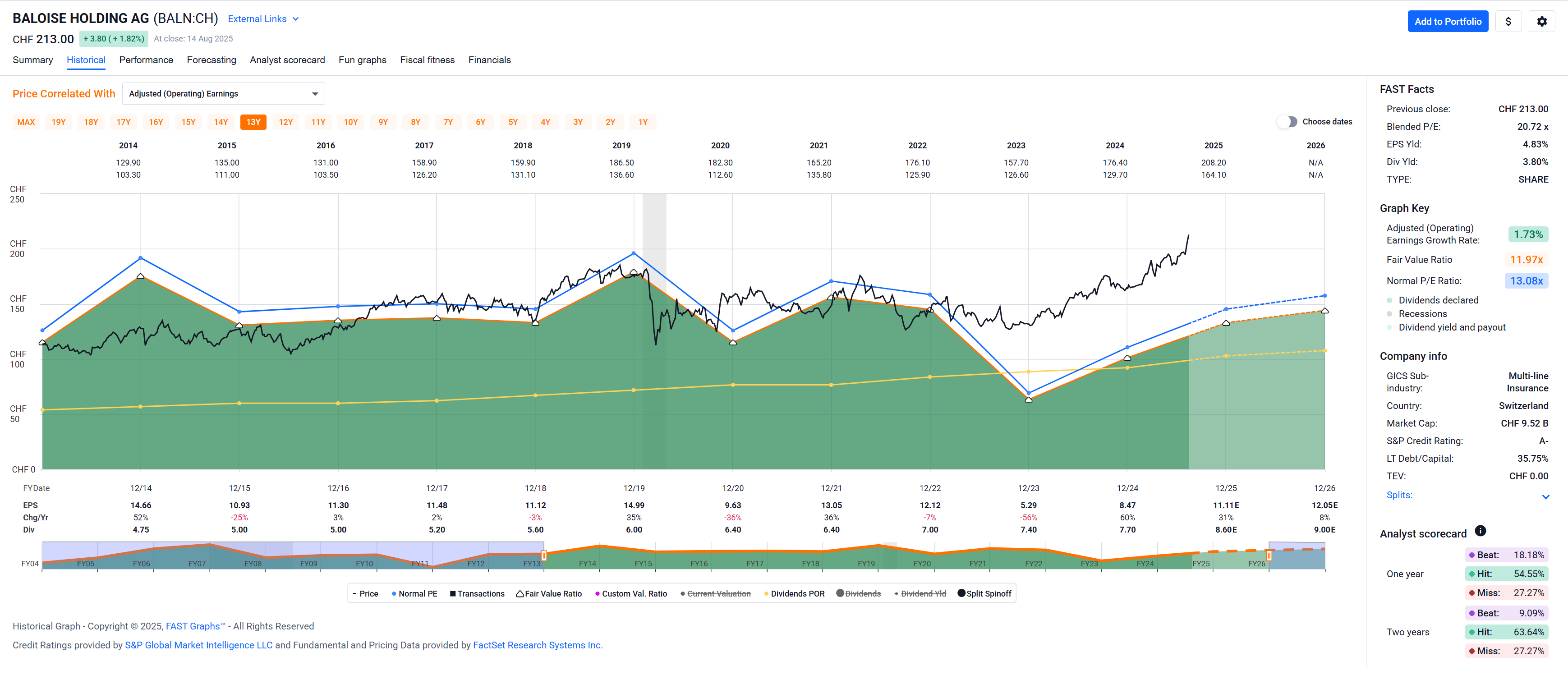
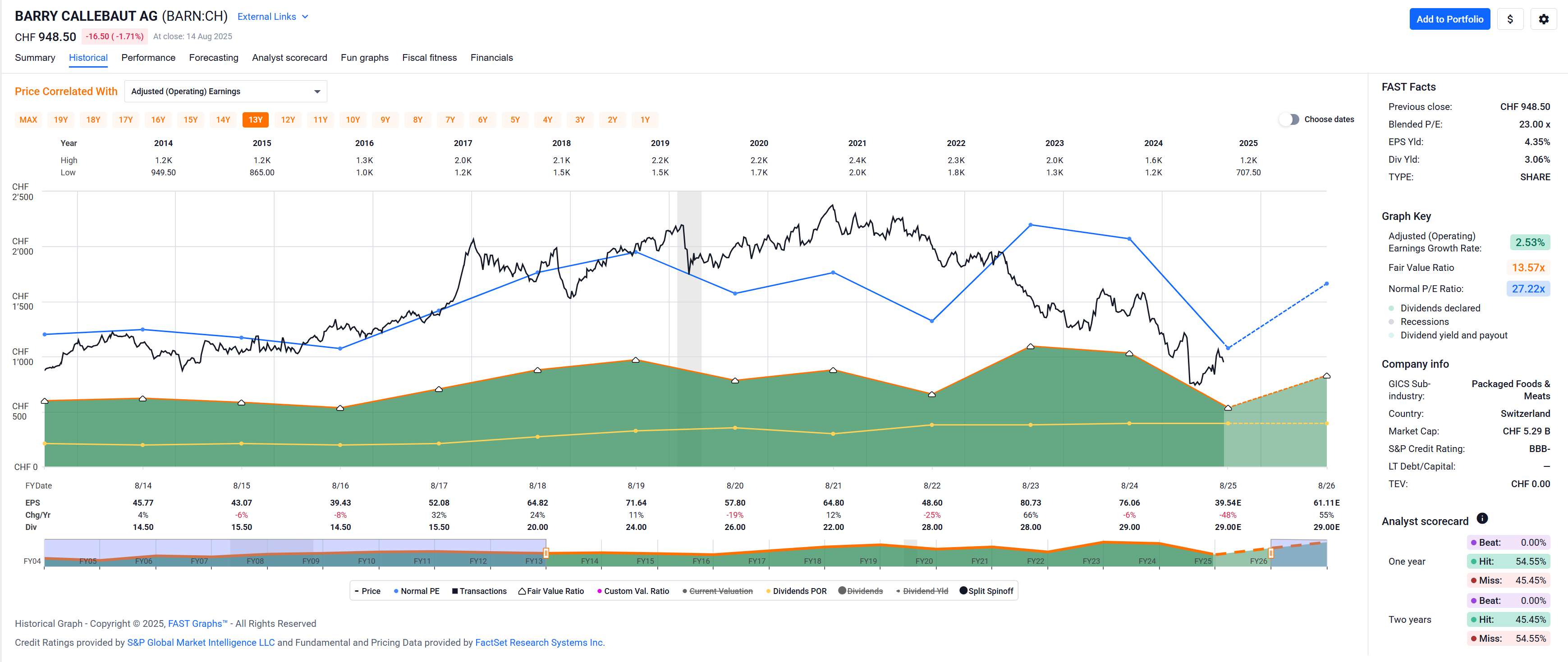
I did not publish the exact formulas for my momentum strategy. I did however for the dividend strategy.
The main reason for not publishing the formulas is the liquidity of some of the traded instruments (I want to trade first). And, of course, it works nice but the time is too short to proof anything, only trade this since 5.5 years.
If this strategy can maintain its performance level I will probably soon hit size limits, but by then having made more money than I can reasonably spend.
(But then spending money not reasonably is probably easier than making money…)
To mix things up a bit, I asked ChatGPT to help me come up with a shortlist of companies that might be less volatile and more suited to a conservative portfolio. Here’s what it came up with:
Symbol
Name
Country
Theme
TCL
Transurban
Australia
Toll roads (CPI-linked schedules)
BIP / BIPC
Brookfield Infrastructure Partners / Corp
Bermuda / Canada
Global infrastructure operator (inflation-indexed contracts)
DG
VINCI
France
Concessions & contracting (incl. French motorways; CPI-linked)
IG
Italgas
Italy
Regulated gas distribution
FER
Ferrovial
Netherlands
Transport infra & concessions
VPK
Royal Vopak
Netherlands
Tank storage (CPI-indexed contracts)
AENA
Aena
Spain
Airports (regulated/contracted elements)
ALLN
Allreal
Switzerland
Swiss – real estate (residential/commercial)
BALO
Bâloise Holding AG
Switzerland
Insurance (domestic focus)
BCGE
Banque Cantonale de Genève
Switzerland
Regional Bank (Geneva)
BCVN
Banque Cantonale Vaudoise
Switzerland
Swiss – regional bank
BARN
Barry Callebaut
Switzerland
Food & Beverages (domestic base)
BLKB
Basellandschaftliche Kantonalbank
Switzerland
Regional Bank (Basel-Landschaft)
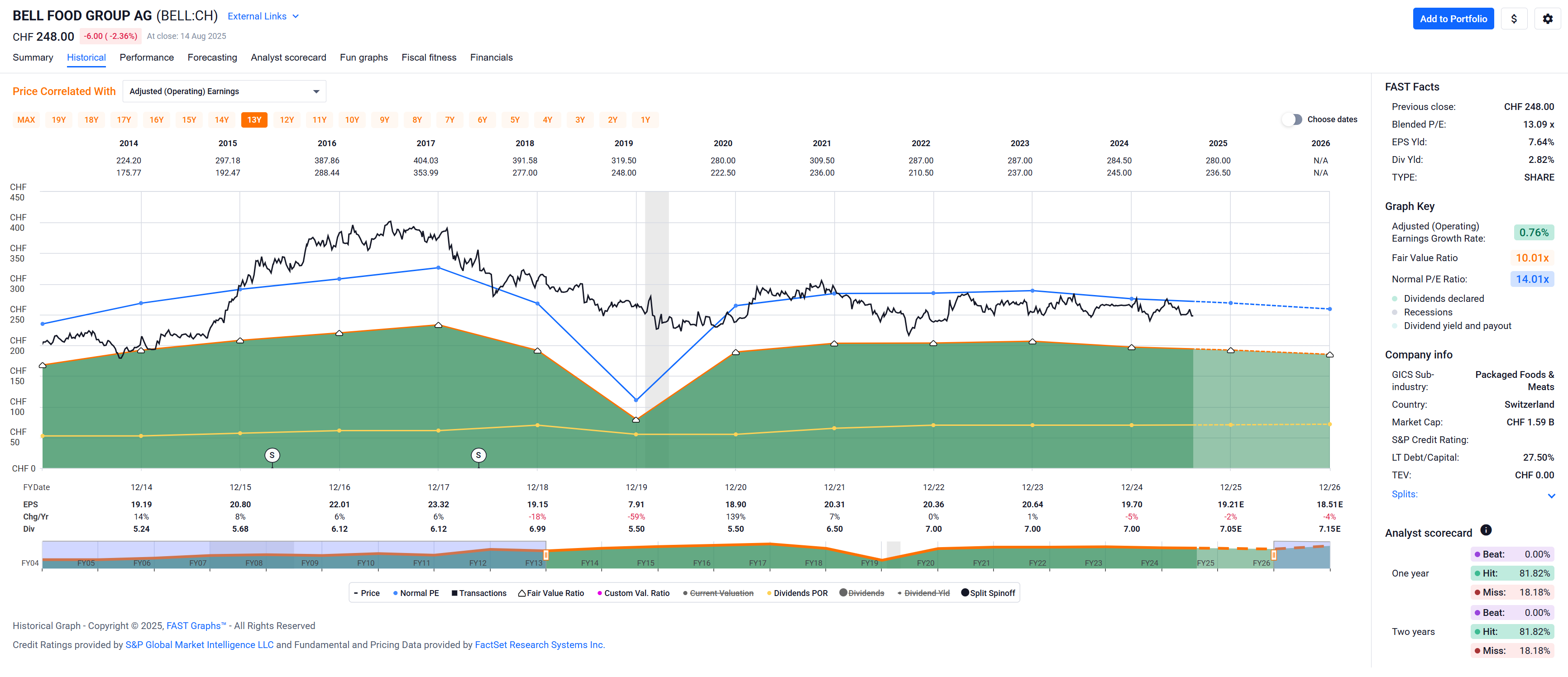
BELL
Bell Food Group
Switzerland
Swiss – food staples
BEKN
Berner Kantonalbank
Switzerland
Swiss – regional bank
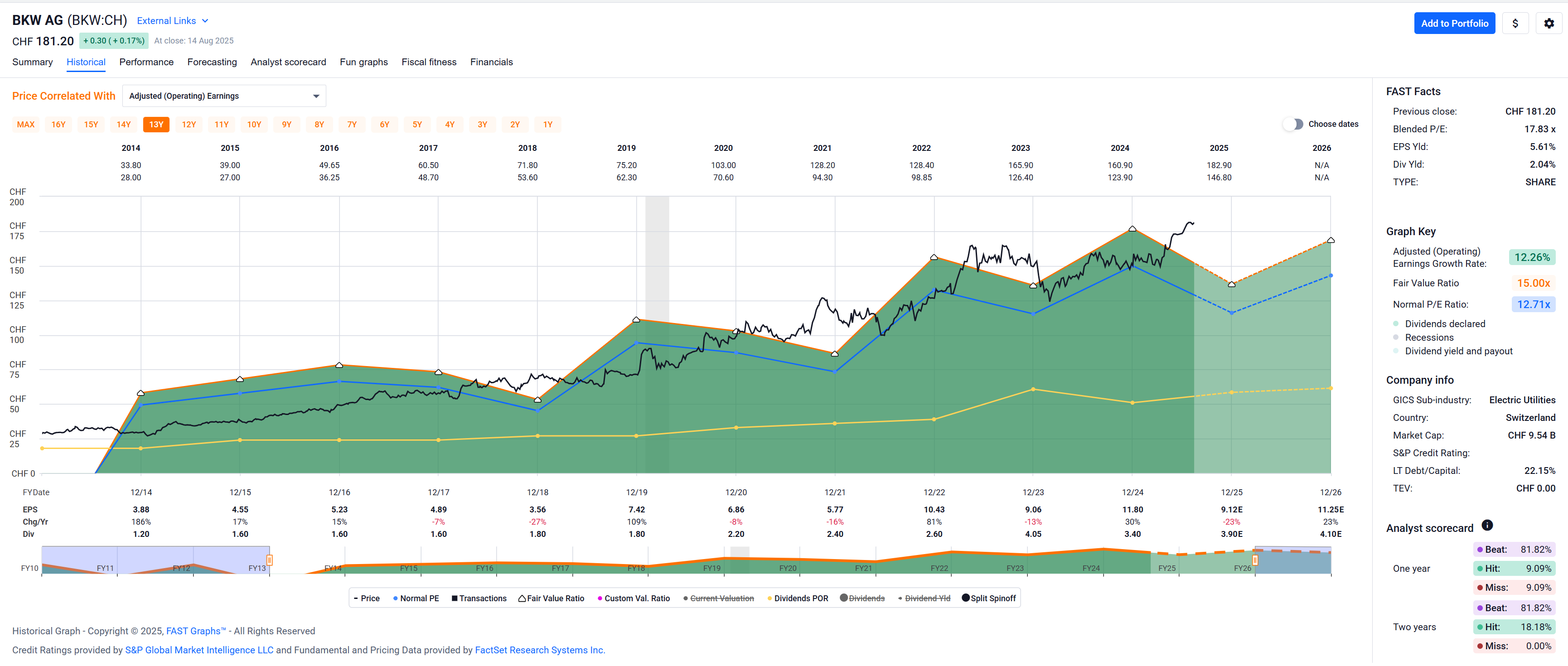
BKW
BKW
Switzerland
Swiss – utility / grid
CKWN
CKW
Switzerland
Swiss – utility / grid
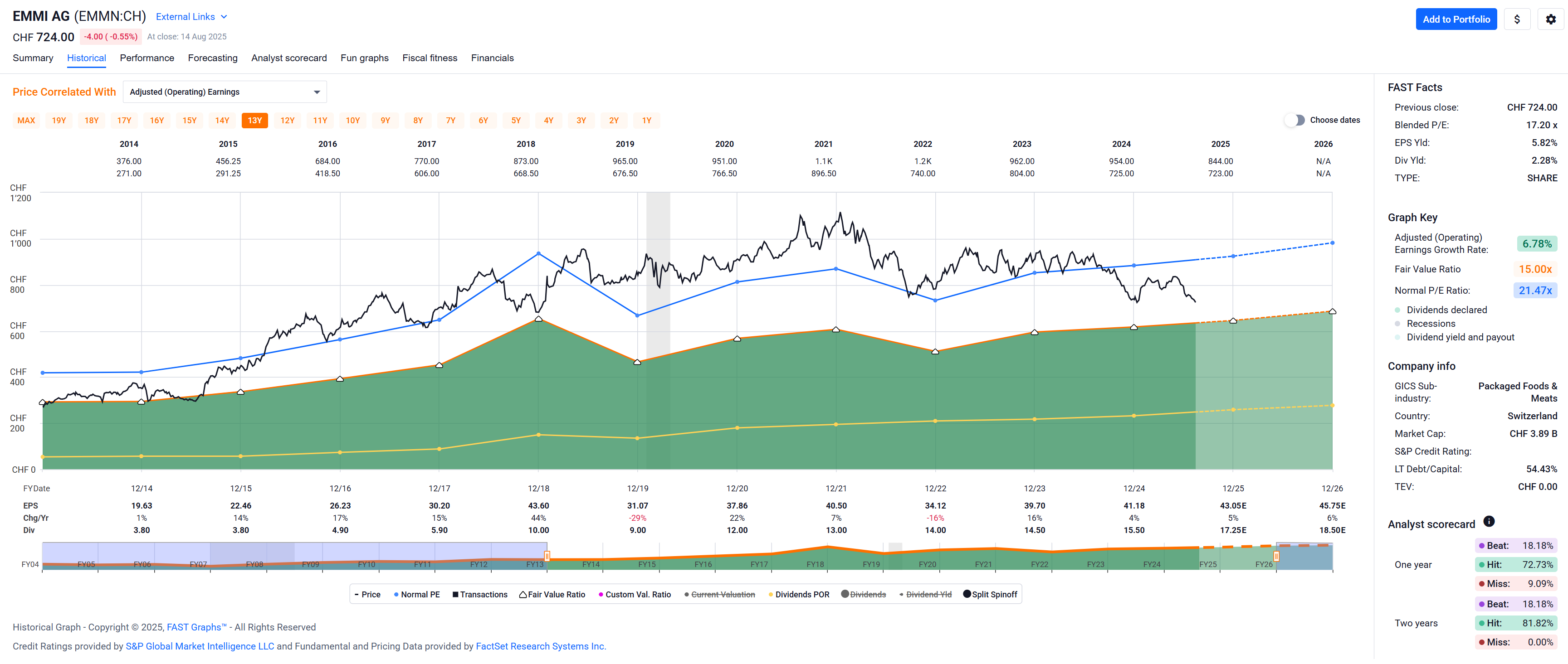
EMMN
Emmi
Switzerland
Swiss – dairy staples
GALE
Galenica
Switzerland
Swiss – pharmacies & distribution
IVS
Investis
Switzerland
Swiss – real estate (residential/services)
MOBN
Mobimo
Switzerland
Swiss – real estate (residential/urban)
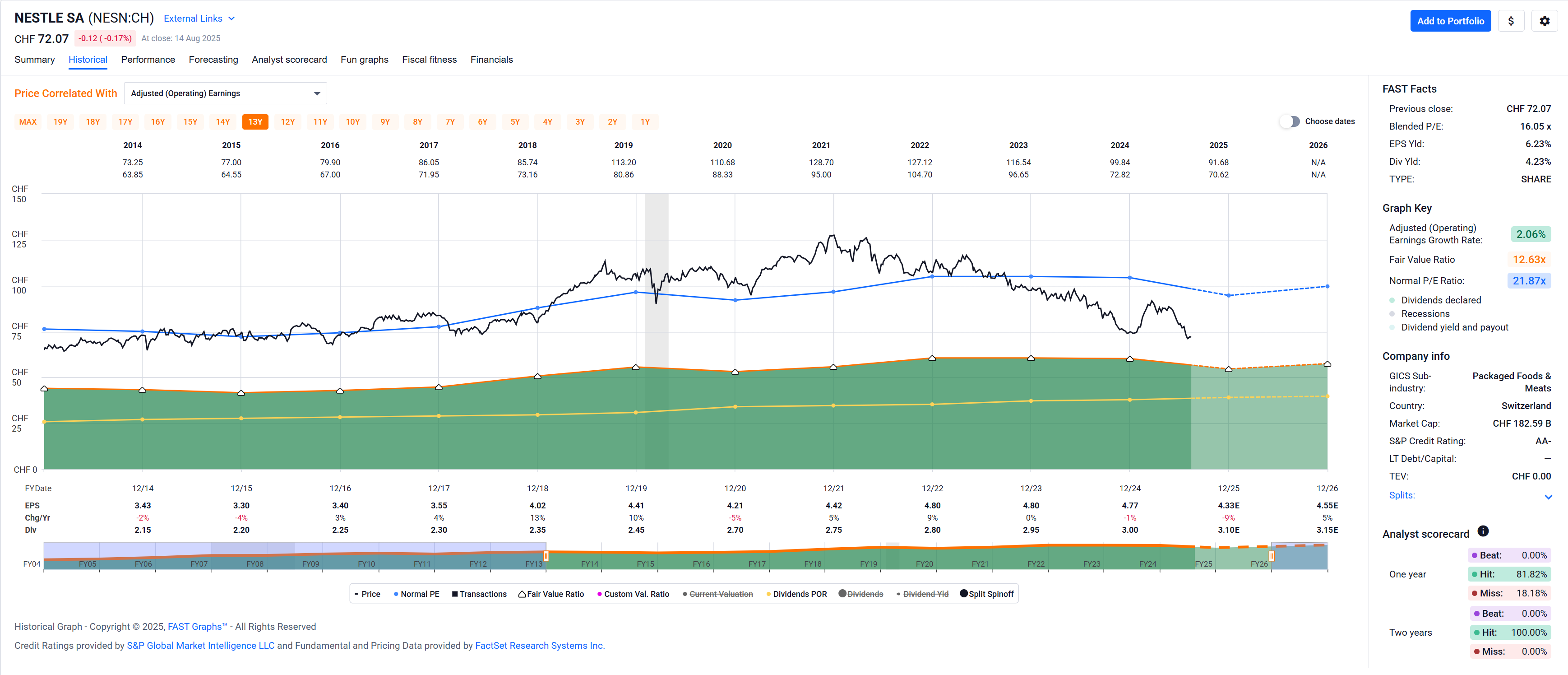
NESN
Nestlé
Switzerland
Swiss – consumer staples (global)
PSPN
PSP Swiss Property
Switzerland
Swiss – real estate (commercial)
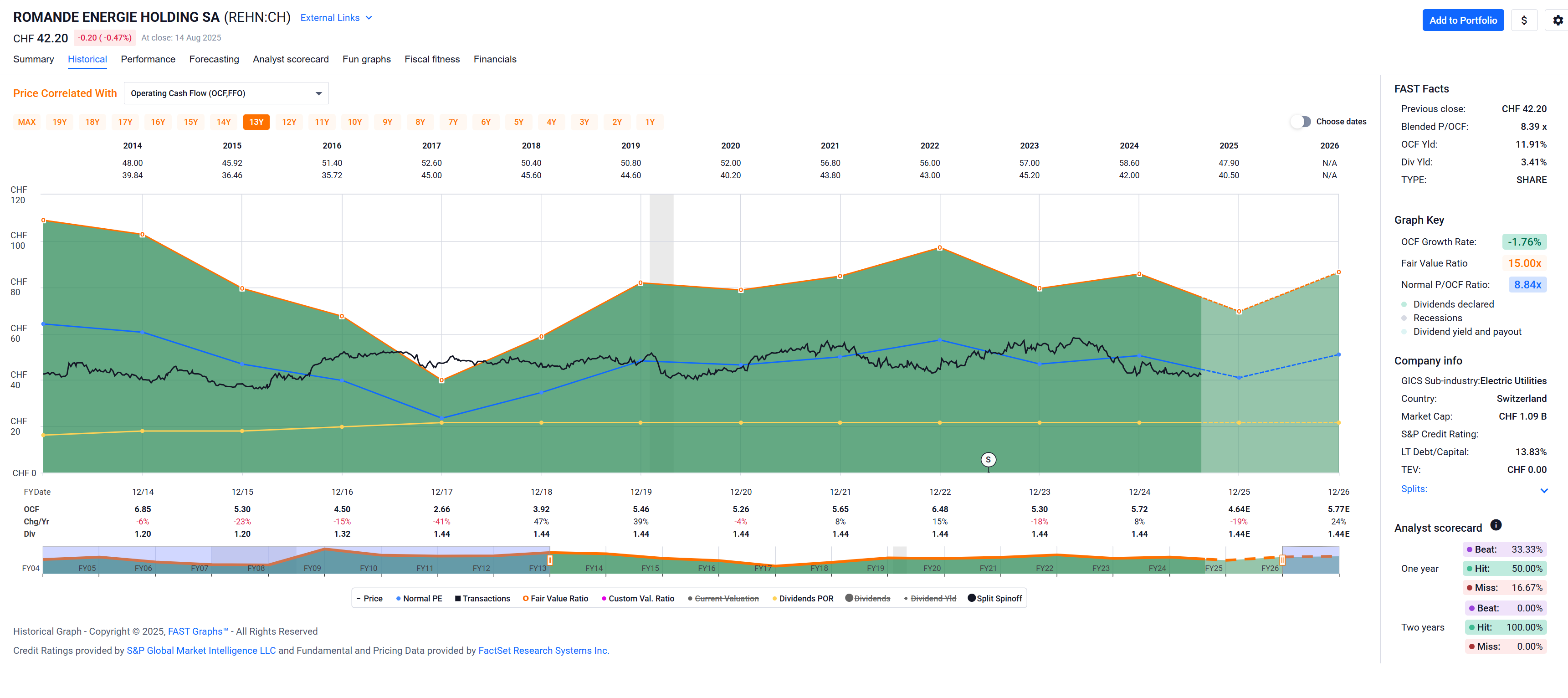
REHN
Romande Energie Holding
Switzerland
Swiss – utility / grid
SGKN
St. Galler Kantonalbank
Switzerland
Swiss – regional bank
SUNN
Sunrise
Switzerland
Swiss – telecom / essential services
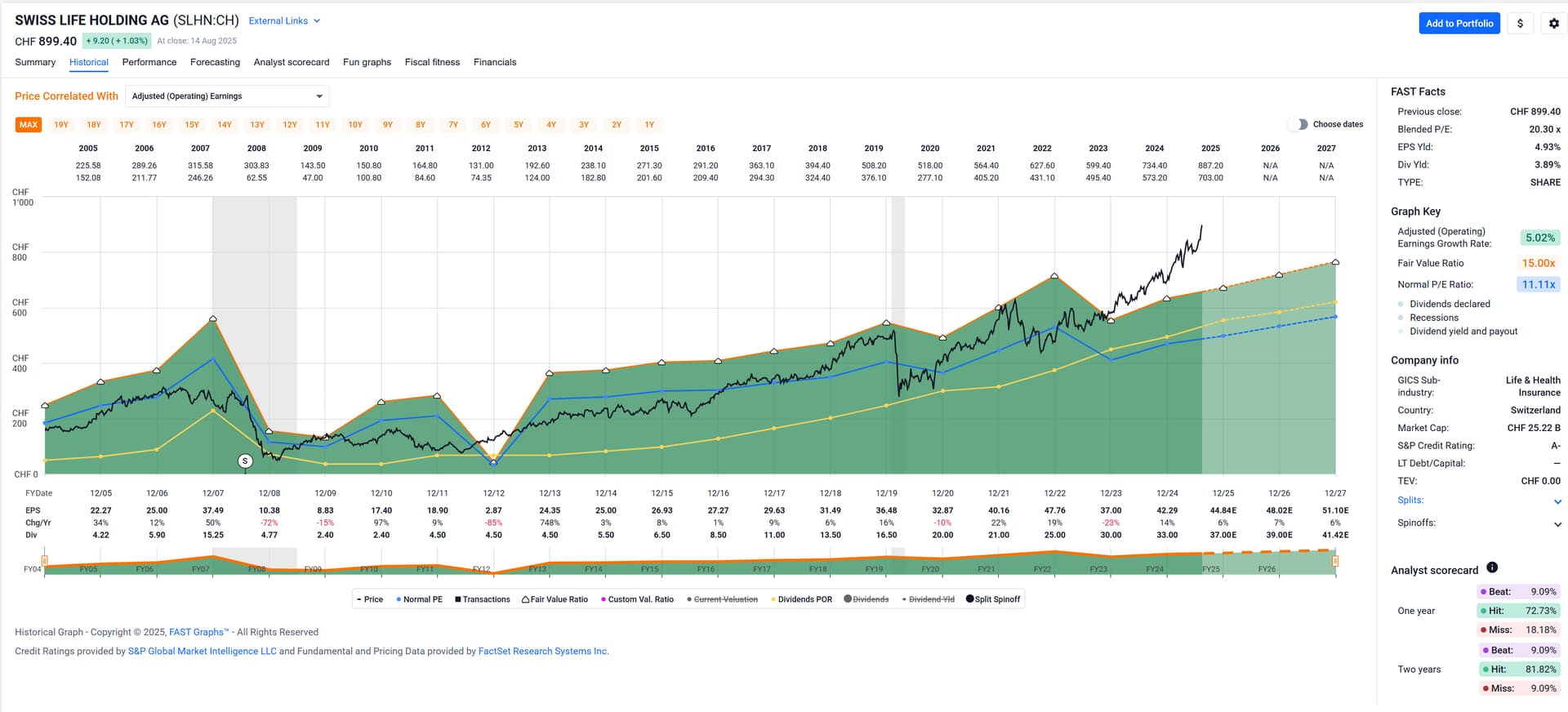
SLHN
Swiss Life Holding AG
Switzerland
Life Insurance & Pensions
SPSN
Swiss Prime Site
Switzerland
Swiss – real estate (commercial/mixed)
SCMN
Swisscom
Switzerland
Swiss – telecom / essential services
VLIT
Valiant
Switzerland
Swiss – retail/SME bank
ZUGN
Zug Estates
Switzerland
Swiss – real estate (residential/office)
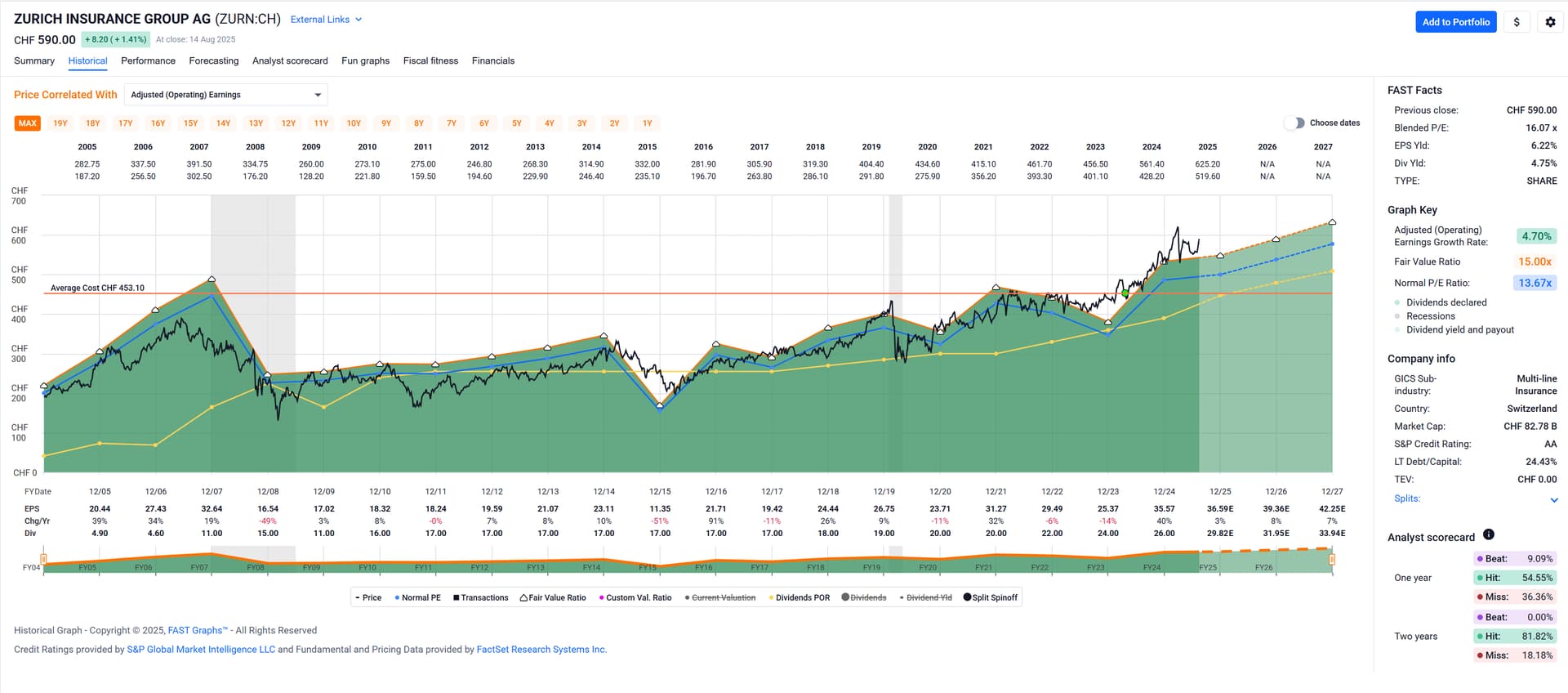
ZURN
Zurich Insurance Group AG
Switzerland
Insurance (domestic base)
HICL
HICL Infrastructure
United Kingdom
Listed infra trust (regulated/availability revenues)
INPP
International Public Partnerships
United Kingdom
Listed infra trust (many inflation-linked assets)
LXI
LXI REIT (incl. former Secure Income REIT)
United Kingdom
Net-lease REIT (RPI-linked leases)
RESI
Residential Secure Income REIT
United Kingdom
REIT (RPI-linked residential leases)
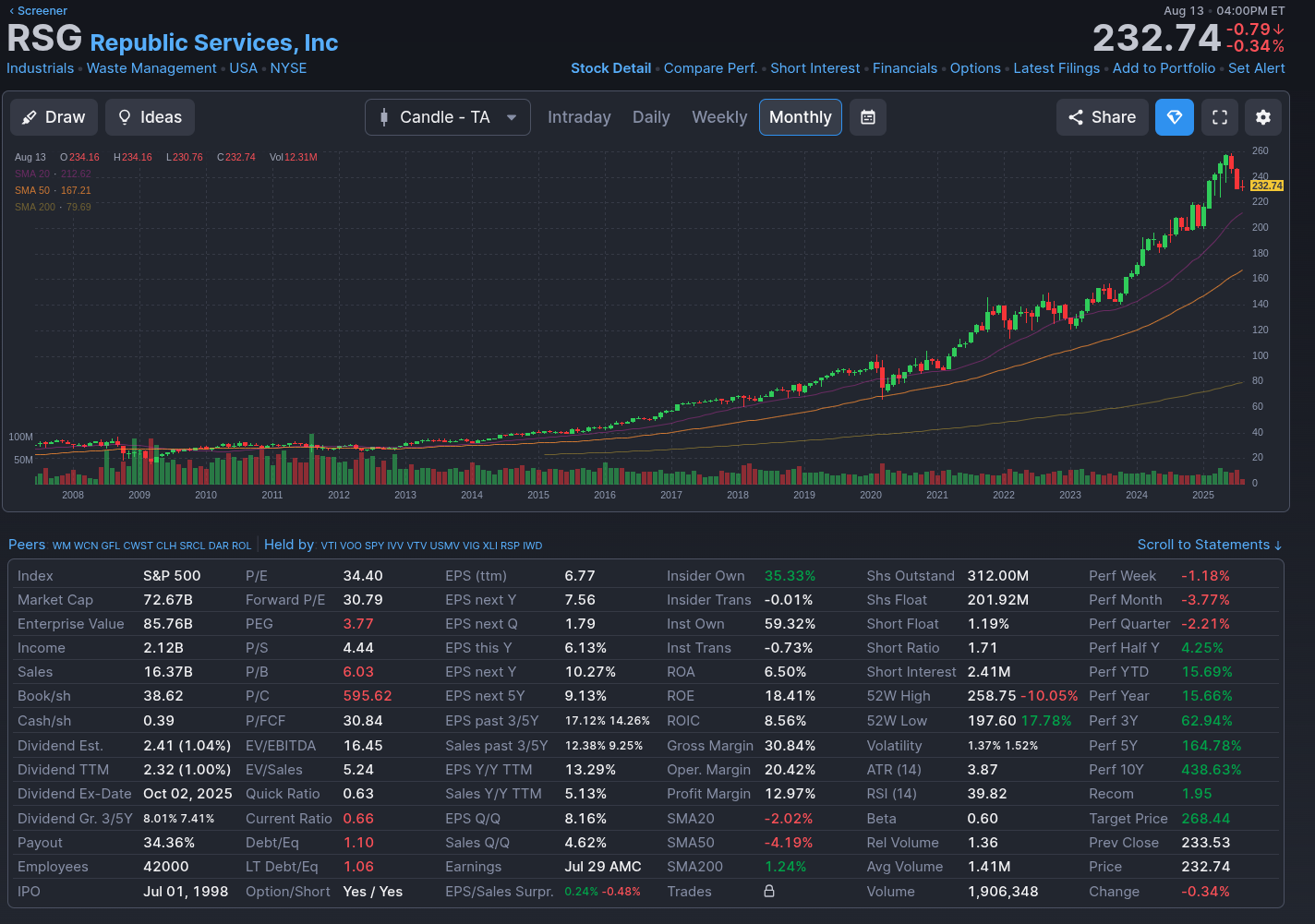
RSG
Republic Services
United States
Waste services (inflation-linked pricing)
WPC
W. P. Carey
United States
Net-lease REIT (many CPI/RPI-linked escalators)
Shortlisted
Symbol
Name
Country
Theme
TCL
Transurban
Australia
Toll roads (CPI-linked schedules)
BIPC
Brookfield Infrastructure Partners / Corp
Bermuda / Canada
Global infrastructure operator (inflation-indexed contracts)
Don’t worry, next time you don’t sell and they tank.
Happened to me a lot. Selling is the hardest thing. Belongs to position management and that was the first thing I did automate. No reason to decide on a case to case level, you are always biased if you hold a position. And the risk is great that by deciding on a case level you end up always in the slower queue.
You must have a reason to sell. Just write it down and think about it. Take a step back and try to generalize. That is probably the single most profitable thing you can do when investing…
I can give tons of tips how to do that, but maybe better in the mechanical investments thread.
This is a fun WSJ quiz not only for stockpickers (I of course could not resist the click-baity title, but it does contain some fun and surprising insights):
I got 4 out of 8 right which apparently puts me in category “Wall Street trading desks could use someone like you—if you can get everyone’s coffee order right.”
I drink my coffee small and black. Because when drinking coffee in Spain especially female friends do order all that complicate coffee. I then use to order “a small coffee without sugar and without spoon”, just that I’m not the only one who just says “coffee”.
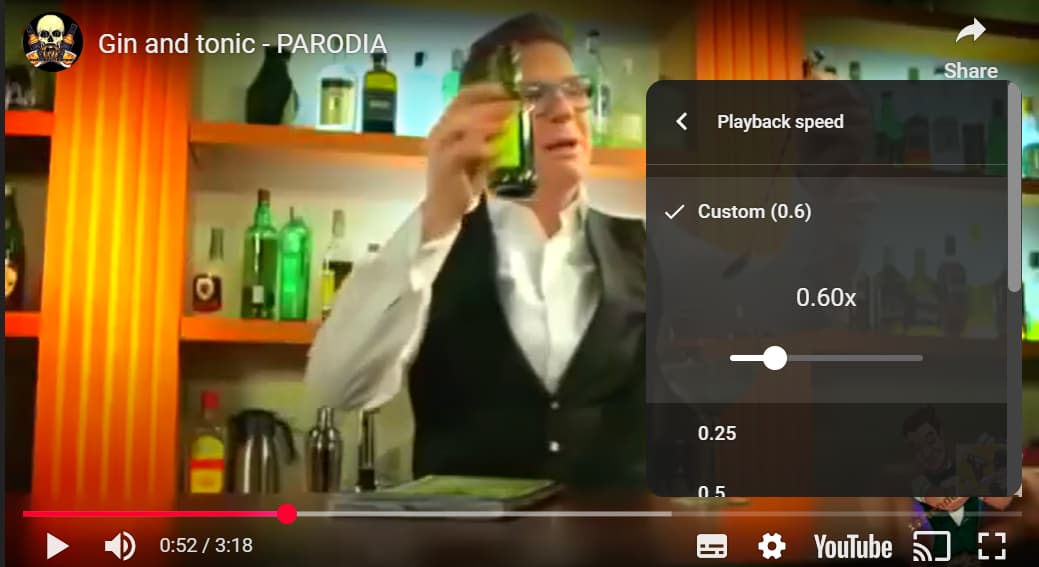
Gin tonic is even worse. I order a “Larios con tonica” like 45 years ago, but today people go like this (Spanish, I hope there are undertitles):
BALN: No. Overvalued. Plus, in merger talks. And apparently shitty corporate citizens by letting go the 60+ workforce to prop up the numbers for the merger.
BELL: No, see above. Additionally, I believe they’re majority owned by Coop (which is a Genossenschaft and whose competency I see in running a retail mostly food consumer business, not growing a packaged meat company which is part of the middle-tier/premier line-up in Coop’s meat section. Bell’s got no room to grow, except at the expense of Coop’s own meat labels.
EMMN My first summer winter job at the tender age of maybe 15 or so during the Skiferien break in probably 1984 or so. Bicycled in February about 10km at sub zero temperatures – in Goofy’s memory it was below -10° C in the morning and evening bicycle commute – to the Emmi Zentrale to sort move around dozens and dozens of crates with empty yoghurt glasses (sales slogan at the time: “Das im Glas!”). Felt great to see the money rolling in for I’m guessing less than 10 CHF per hour (possibly way off, I simply don’t remember).
Fun fact: had Goofy invested the money earned in that two week gig back then into Apple stock, he could theoretally now have become a forum moderator (not in practice, of course (silly), because of his continual imbecile posts).
Mmh, maybe I’ll consider a small position too. It was a topic at the FIRE Meetup and someone mentioned the generous dinner at the GV (Generalversammlung), including some products to take home (aka Naturaldividende). It has a high “mustachian” (the frugal meaning) FIRE Meetup potential for the Basel chapter, no?
“Die Bell GV ist eine der besten Generalversammlungen, kulinarisch gesehen. In der Basler Messe gibt es einen servierten Dreigänger und man bekommt am Schluss eine grosse Salami geschenkt.”
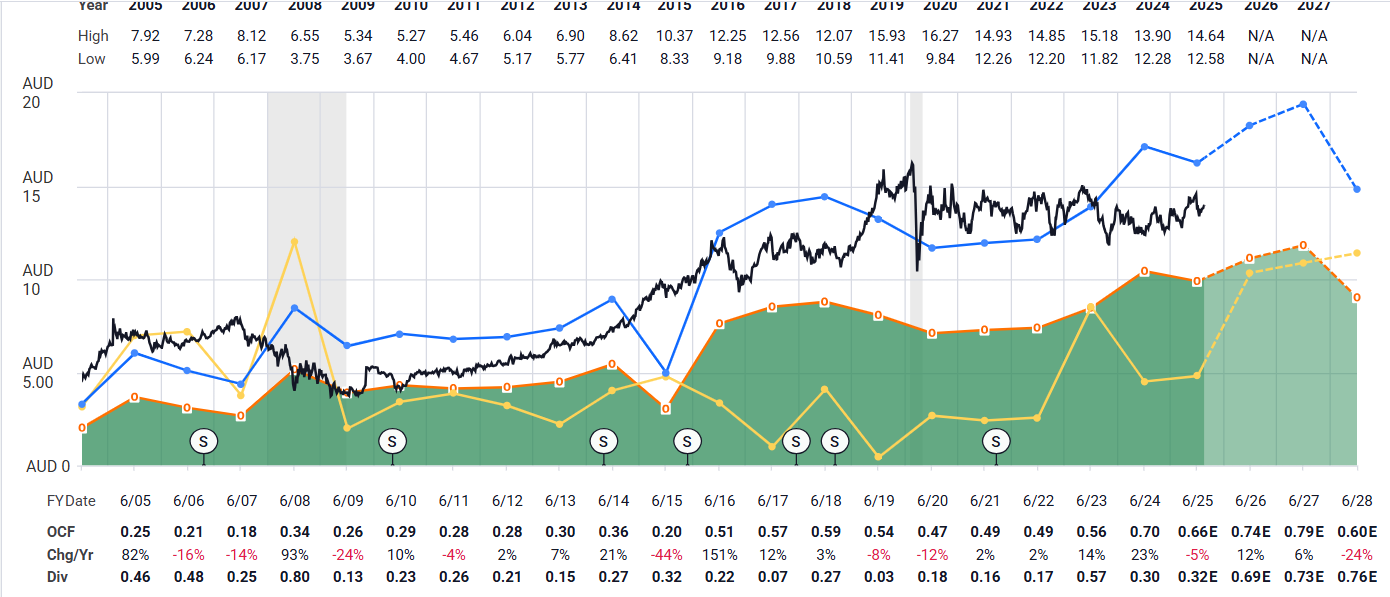
Now try to show that on a Fastgraph, @anon17469660 !
So is that even more a canibalizing Coop’s existing packaged meat products? Or maybe Bell has a centralized economy of scale while the existing Coop processors don’t?
Mit dem Lesen und der Teilnahme an diesem Forum bestätigst du, dass du die Forum-Richtlinien gelesen hast und damit einverstanden bist sowie den Haftungsausschluss auf http://www.mustachianpost.com/de/ akzeptierst.