Unless they’re HNWI or UHNWI I’m not sure it’s worth it/easy.
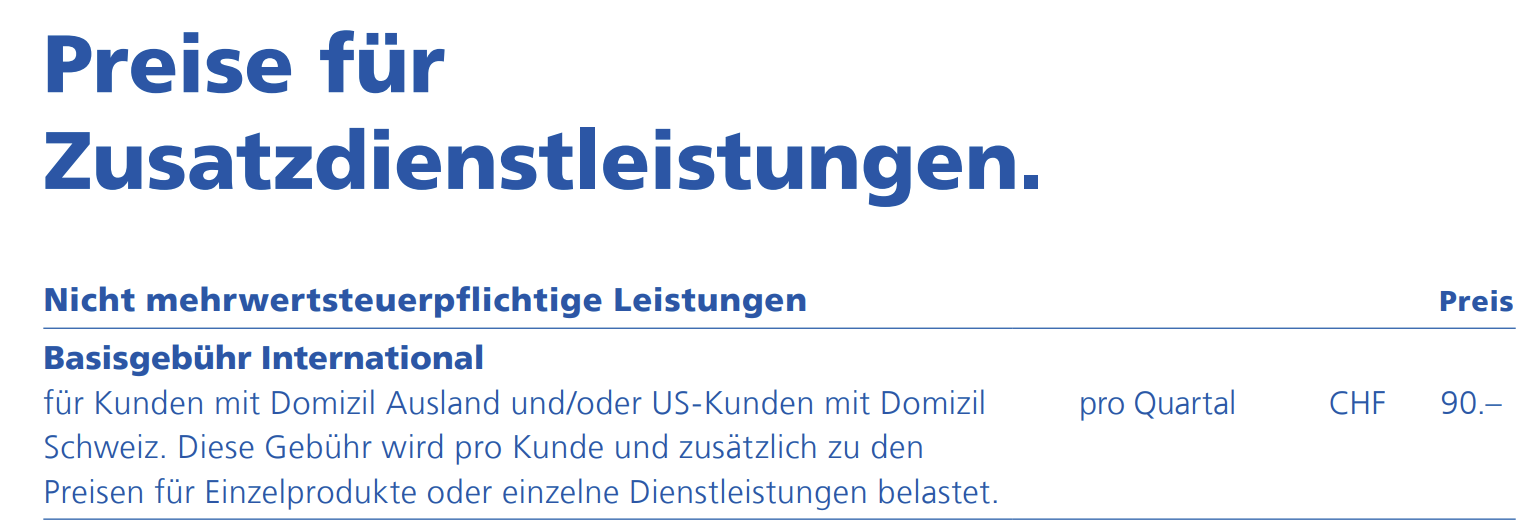
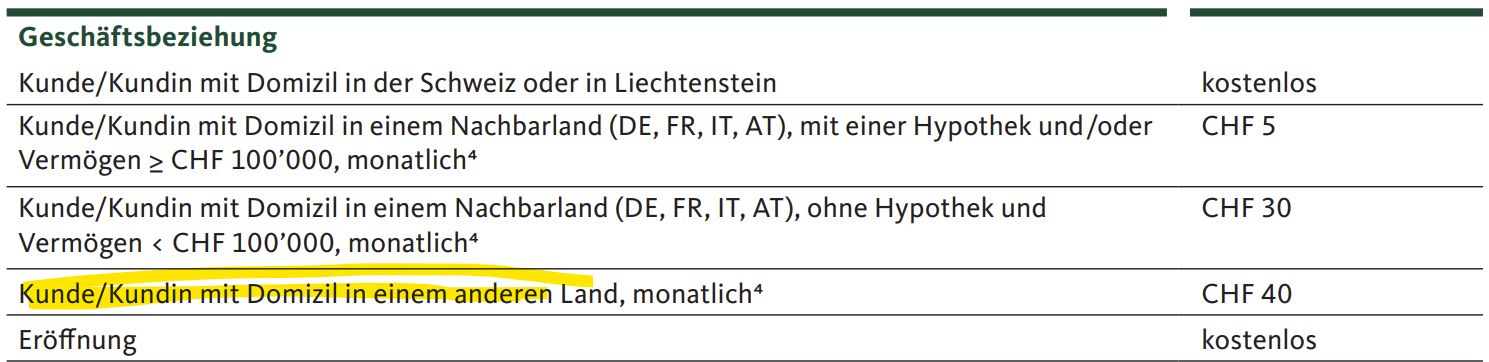
First you’d need the bank to accept you as a customer (they don’t have to, the more money you bring/fees you’re going to pay the more likely they will accept tho), and then most banks charge pretty hefty fee for foreign residents.
Maybe taking a step back, what are they trying to achieve?
In case your relatives are not ready to pay these fees, it could make sense to continue with another provider, e.g. Wise. Converting PLN to CHF could be a first step, afterwards one could open an account in CH or LI.
Try Swissquote. They do accept residents of many countries, and do not charge extra non-resident fees. But if you want the account to be “in Switzerland” you would have to make sure they give you an account at the Swiss Swissquote bank, and not their Luxembourg subsidiary.
At fees of Fr 30 per month and interest of 0.1% next years (if you’re lucky), breakeven is Fr 360’000. If you can’t get back the WHT it’s 500’000.
But ja, I understand breakeven/cost is secondary, the reason is safety in crisis.
Nevertheless , another (cheaper) solution would be you open a safety deposit box at your bank for them (Fr 80 p.a. gets you there), and bundle nice crisp CHF notes in sealed envelopes for them. Be sure to label them nicely in case you should pass.
Or stack little physical gold bars (100g, 250g).
One could even say this is more crisis-resistant than the CH bank account.
Ah, 20th century solutions for 21st century problems.
Wouldn’t that solution mean that our colleague would need to take CHF notes/metals with them across the border, declare them appropriately etc, then deposit them (in their name) to a safety deposit box in CH? Feels more complicated/less safe than a person from PL wiring money to CH.
Also, irrelevant, CHF80/year for a deposit box?! In Greece it’s EUR300/year!
Edit: scetchy politics in your country or outside of it is a problem from the time we lived in caves
More irrelevance, sorry OP, I thought safety deposit boxes cannot be insured because by design, people don’t tell what’s in them
But regardless, I’d imagine that robbing a bank is not really possible…though…watch The Bank Job, great film, real story, it’s a film with Jason Statham, without being what came to be known as a Jason Statham Film.
You have to check for the so called „Haftungsobergrenze“ in the contract for a safe. In case something happens, the bank is liable for normally up to CHF 50k. If you want to deposit more, I would insure it (e.g. through your household insurance).
This may be helpful to watch for OP: https://www.youtube.com/watch?v=0Q-Y-r75FOM. They mentioned there Dukascopy, which seems to be a Swiss bank…I’ve heard for the first time about .
Mit dem Lesen und der Teilnahme an diesem Forum bestätigst du, dass du die Forum-Richtlinien gelesen hast und damit einverstanden bist sowie den Haftungsausschluss auf http://www.mustachianpost.com/de/ akzeptierst.


 If you can’t get back the WHT it’s 500’000.