So if I am risk averse, what do I do?

I have a pickle and the current market insanity is not helping. I have what is functionally my entire second pillar to invest. A bit more than 1.3m

I can’t put it in a libre passage (international civil servant) but I also have a lower risk appetite for that money than I do for my personal savings which are happily VT and chill.

Im 49 with a kid in primary school, I earn in Swiss francs but dont pay income taxes on my salary (I do on other revenues and im taxed on assets) and an IBKR account.

Any suggestions on what would be a reasonable strategy to preserve capital through inflation and potentially generate some returns?
1 Like

Half lump-sum investing, half dollar cost averaging

Into what though? Equities 100 %?

How was it before?

Was it in a 2.P before?

Why the change?

You could look at your previous 2.P (or compare with others, they have more or less similar allocations) and replicate its portfolio‘s asset allocation in Finpension/ Viac 3b Invest.

1 Like

Impossible to say without knowing your annual 1) income 2) projected expenses and 3) non-2P assets

1 Like

Functionally equivalent to a 2.p or a US 401k but not legally a 2.p. Weird international organization setup.

I don’t have the detailed investment details beyond the equities/bonds/real estate split though.

Income: around 190k net.

Other assets: 1.4m in equities. 400k net in main residence (with my spouse owning the other half)

expenses; nothing major planned. Car will need replacing in the next two years.

That’s seems to be the wisdom but when you say 50/59 you mean lump sum/dca in equities or equities/bonds split? Unless I’ve missed something bonds for CHF investors seems like a limited landscape right now?

How much do you spend per year?

If your spend is less than 100k and you keep earning for a bit longer you can pretty much do “whatever” and go 100% equities, as you keep investing during the next drawdown

1 Like

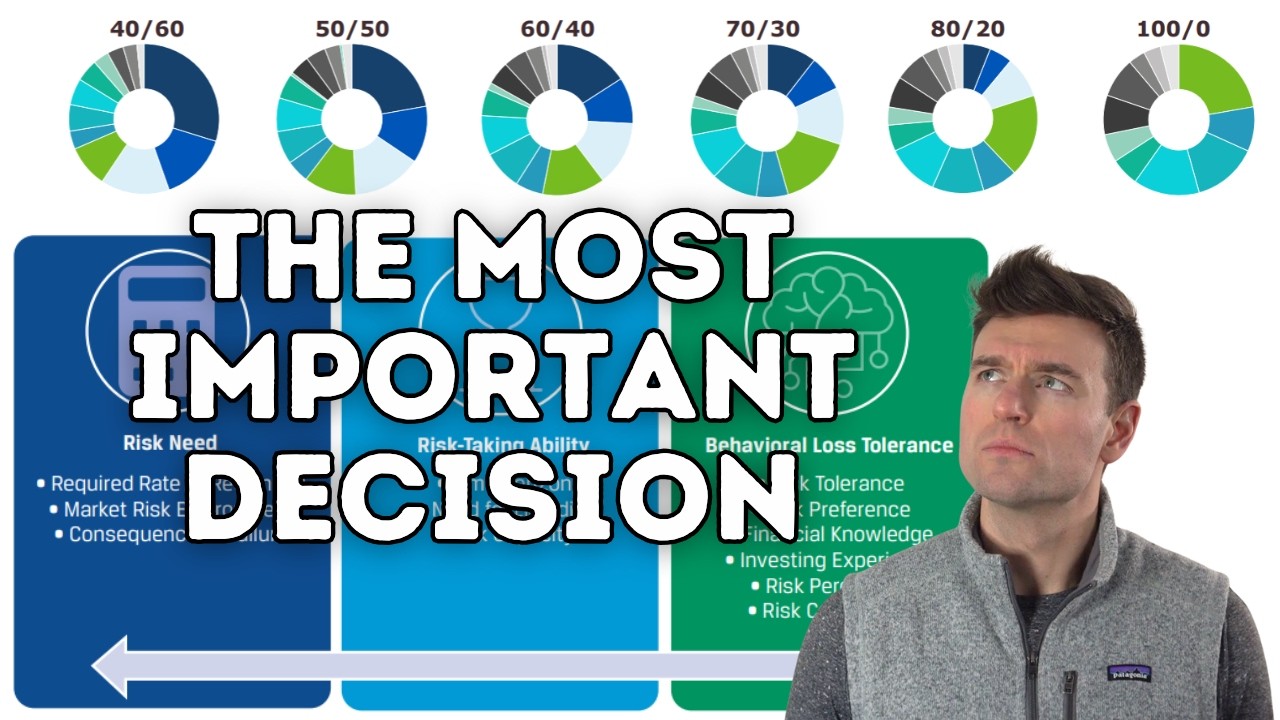
Maybe this can give some orientation:

What bond funds to buy is a bit of struggle in CH. CH government bonds have very little yield, so going long maturity risks yields going up and you losing.

I‘d probably pick 50/50 something like bloomberg global bonds CHF hedged (like VAGX) and 3-7 years CH gov bond etf like CSBGC7.

Rebalancing this allocation then will be key though.

And look at your total portfolio. So all your liquid wealth together and pick an allocation.

3 Likes

I think we spend less around 100k all in

Congrats you’re FI

How much longer do you and your spouse plan to work?

4 Likes

Maybe decide on what min return you are looking for that will help in deciding what to invest in

1 Like

Well, maybe according to some metrics, yes. I still plan to work as long as long as I can given that I have a young child and I assume university won’t be cheap in 20 years.

Plus given the context right now I’m not sure how old farts like me will remain employable so I’ll take any income that comes my way for now! So let’s assume 10 more years for me. Less clear for my spouse as her field has essentially been decimated but let’s say 5 years over the next 10 for her

If I could beat inflation by 2.5-3% I’d be happy

Right, in that case you’ll probably want more risk not less risk. Think stocks and perhaps add some real estate (REITs / swiss funds without income tax due at individual level) for cashflow

Also an emergency fund that covers 12-24 mo if your industry gets decimated

Bonds have negative real yields in Switzerland after meager coupons and income taxes, don’t do that. Inflation is heating up in Eurozone and Dollarsphere so don’t do that either for now. Yes TIPS / US real rates are at “record highs not seen since 2002” but that doesn’t make catching a falling knife a good plan.

1 Like

I’ll look into REITs. I was left with the k pression they where not great from discussion on this site but maybe in my current situation it would be the right tool.

Bonds: indeed and that’s why I ruled out target date funds

You can try to replicate a traditional swiss pension fund allocation with Viac Invest / Finpension Invest.

According to Claude:

Overall, VIAC gets you maybe 80-90% of a typical PK mix and Finpension 75-85%. Both fall short on the illiquid assets (direct real estate, infrastructure, hedge funds).

| Asset class | Typical Swiss PK | VIAC Invest equivalent | VIAC weight |

|—|—|—|—|

| Cash | 3% | VIAC Liquidität (CHF) | 3% |

| CHF bonds | 20% | VIAC Bond Total Market CHF | 23% |

| Mortgages / loans | 3% | none (added to CHF bonds) | - |

| Foreign bonds | 12% | VIAC Bond World | 14% |

| Swiss equities | 7% | VIAC Equity Switzerland | 7% |

| Developed foreign equities | 20% | VIAC Equity North America | 12% |

| | | VIAC Equity Europe | 6% |

| | | VIAC Equity Pacific | 2% |

| Emerging market equities | 4% | VIAC Equity Emerging Markets | 4% |

| Swiss real estate | 17% | VIAC Swiss real estate fund (SXI Real Estate Funds index) | 17% |

| Foreign real estate | 4% | VIAC Real Estate World | 4% |

| Alternatives (PE, infrastructure, hedge funds, commodities) | 10% | VIAC Gold ETF | 4% |

| | | VIAC Private Equity | 4% |

| | | infrastructure / hedge funds: none (redistributed to foreign bonds) | - |

| Total | 100% | | 100% |

pls fix table

2 Likes

I can’t imagine rebalancing this would be fun/doable by an individual though? Expense ration and fees would kill me!